India is one of the few countries that produces all four major natural silks: mulberry, tussar, muga and eri.
Those fibres are then woven into dozens of regional silk traditions, from the brocades of Banaras and the contrast borders of Kanchipuram to the soft drape of Mysore silk and the golden glow of Assam's muga.
With so much choice, the hardest part is often not finding a silk saree but choosing the right one.
This guide to silk fabric types for Indian wear is a practical chooser.
It explains the four natural silks, the most popular silk weaves, how they differ in weight, sheen and comfort, and which silk suits weddings, festivals, office events, summer functions and gifting, along with budgets, authenticity tips and care.
If you want a deeper history of Indian silk, read our article on the timeless royalty of silk.
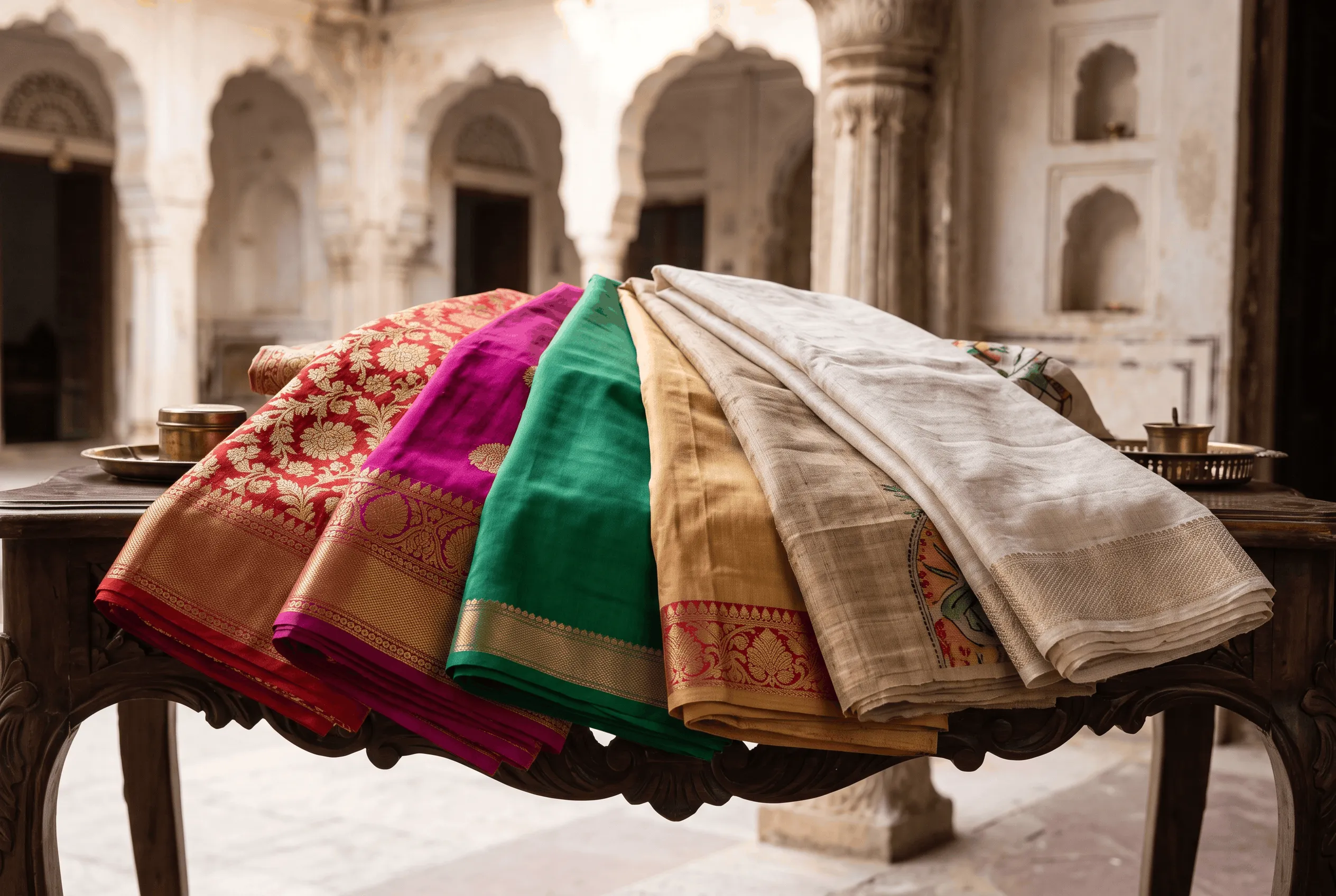
The Four Natural Silks of India
| Silk | Source | Look and feel | Main regions |
|---|---|---|---|
| Mulberry | Silkworms fed on mulberry leaves | Smooth, lustrous, even | Karnataka, Tamil Nadu, Uttar Pradesh weaving centres and more |
| Tussar | Wild silkworms on forest trees | Textured, matte, golden-beige | Jharkhand, Bihar, Chhattisgarh, Odisha, West Bengal |
| Muga | Wild silkworms of Assam | Natural golden sheen | Assam |
| Eri | Silkworms fed on castor leaves | Soft, warm, wool-like | Assam and the North-East |
Mulberry silk is the most widely used and forms the base of most famous silk sarees, including Banarasi, Kanjivaram and Mysore silk.
Tussar has a natural, slightly rough texture and a warm, earthy tone. See our tussar silk styling guide.
Muga is prized for its natural golden colour. See our Muga silk buying guide.
Eri is often called "peace silk" or "ahimsa silk" because it is traditionally processed after the moth has emerged. See our Eri silk guide.
The Most Popular Silk Weaves
| Weave | Region | Signature look | Weight |
|---|---|---|---|
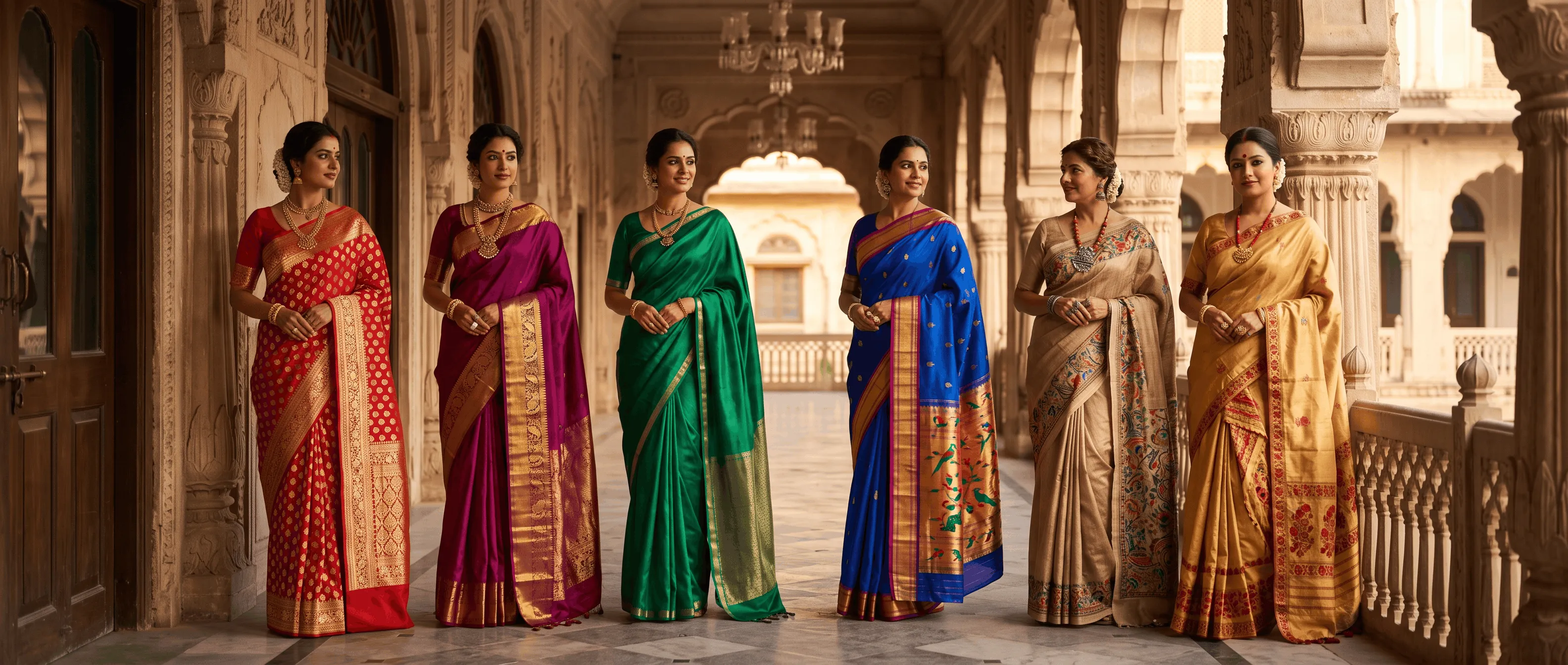
| Banarasi | Varanasi, Uttar Pradesh | Brocade, zari motifs, rich pallus | Medium to heavy |
| Kanjivaram | Kanchipuram, Tamil Nadu | Contrast borders, temple motifs, heavy zari | Heavy |
| Mysore silk | Karnataka | Smooth, lustrous, minimal design | Light |
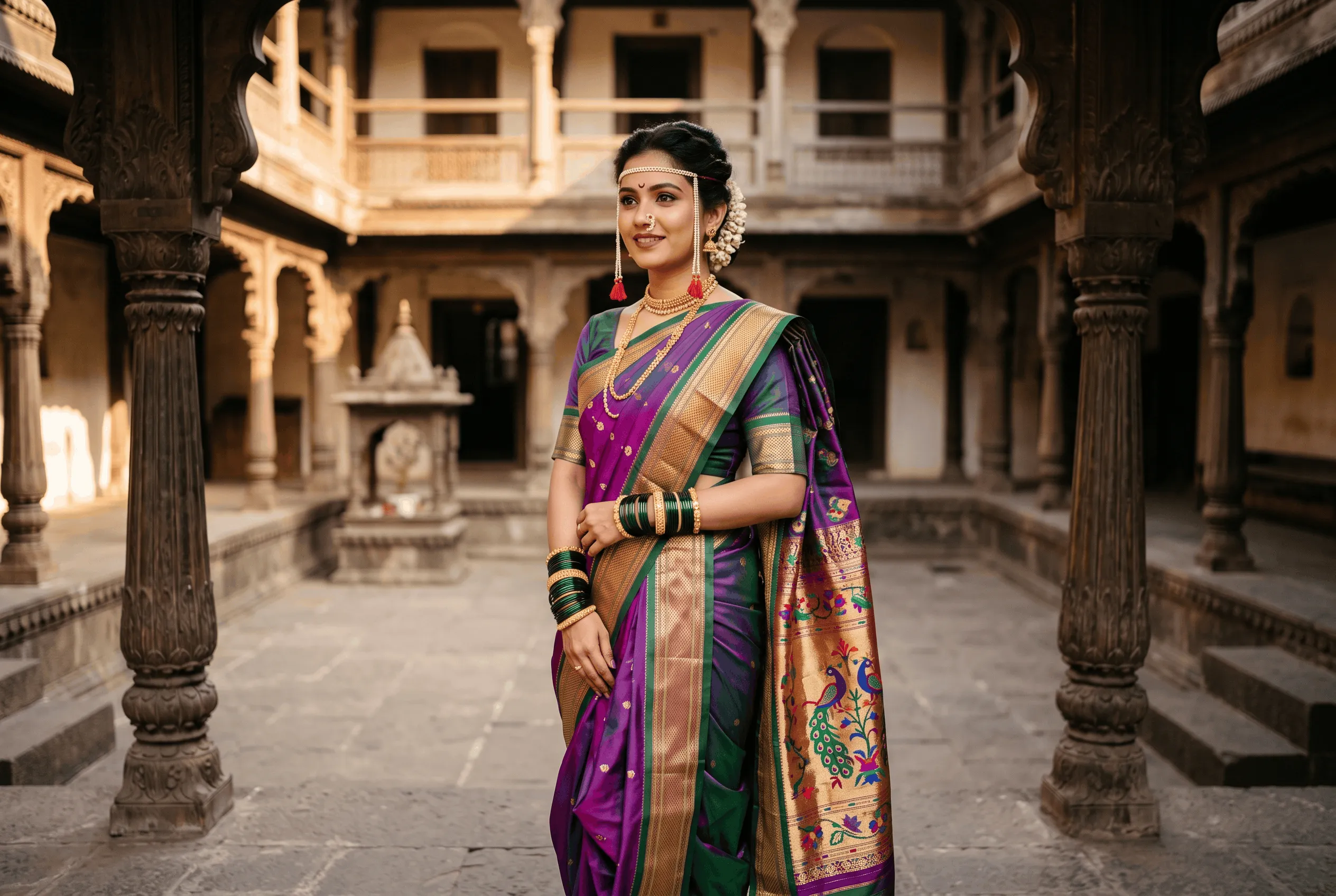
| Paithani | Maharashtra | Peacock and lotus pallus, tapestry weave | Medium |
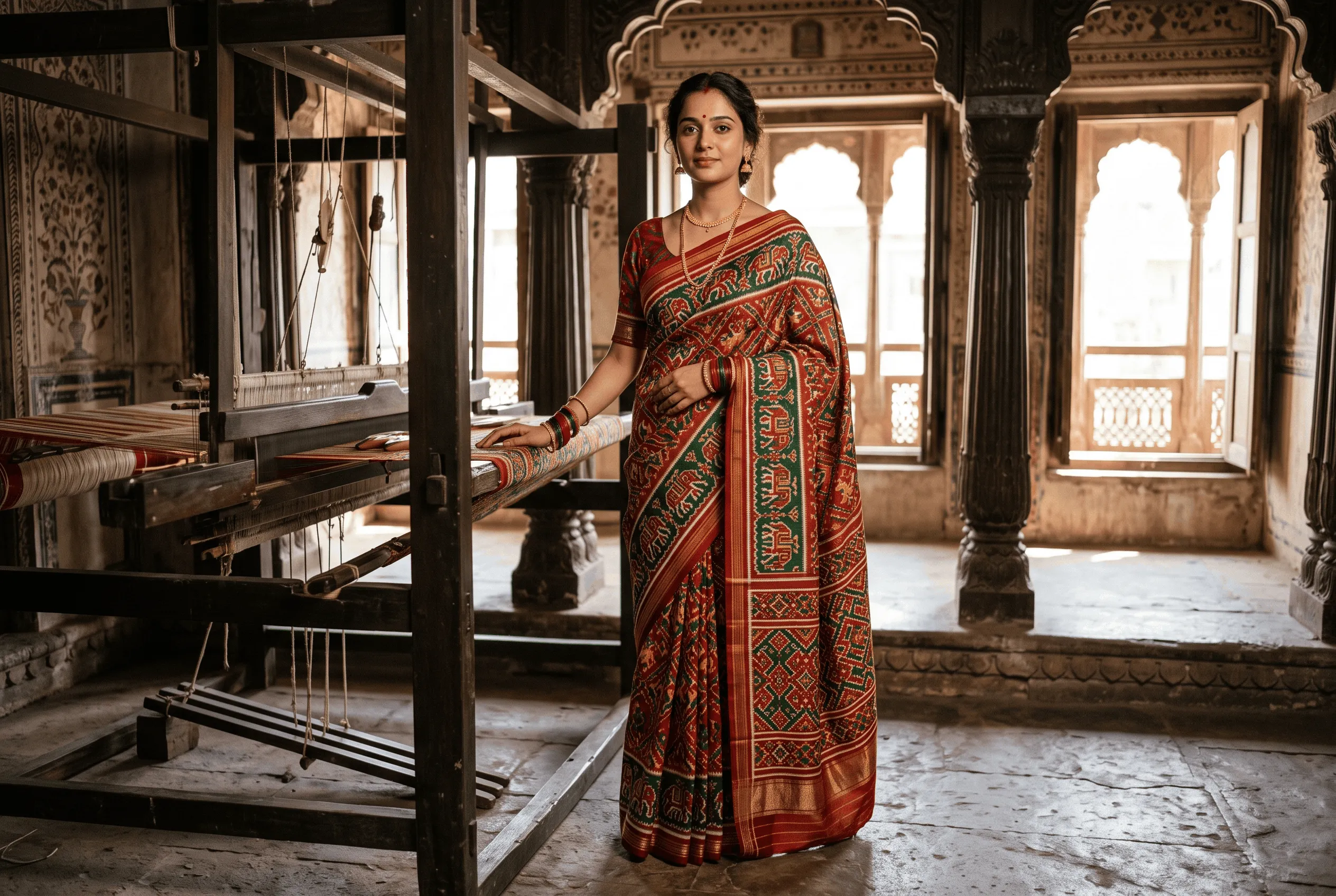
| Patola | Gujarat | Double or single ikat patterns | Medium |
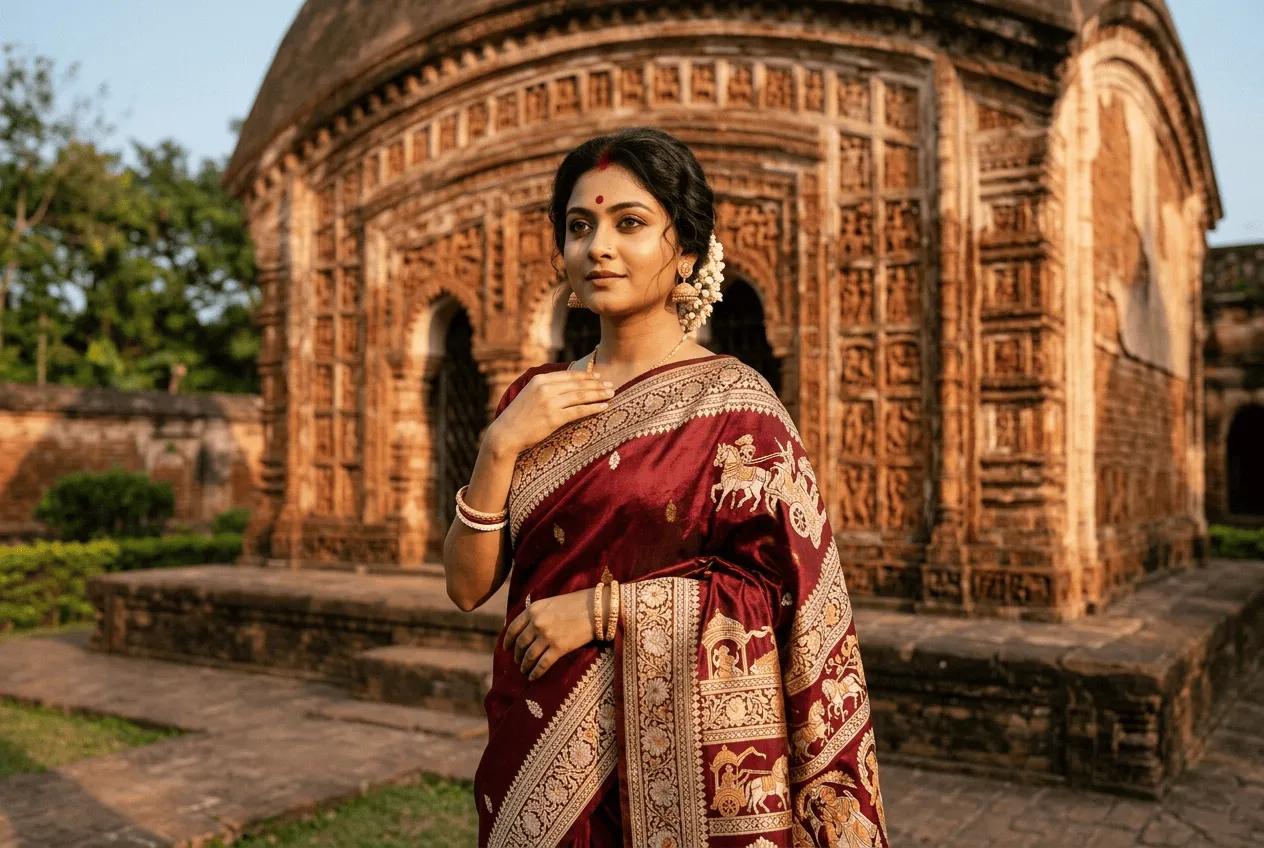
| Baluchari | West Bengal | Narrative pallus | Medium |
| Pochampally | Telangana | Geometric ikat | Light to medium |
| Dharmavaram | Andhra Pradesh | Broad borders, rich colours | Medium to heavy |
| Uppada | Andhra Pradesh | Light silk with Jamdani-style motifs | Light |
| Chanderi silk | Madhya Pradesh | Sheer, light, fine buttis | Very light |
| Bhagalpuri tussar | Bihar | Textured tussar | Light to medium |
| Raw silk | Various | Matte, nubby, structured | Medium |
Which Silk for a Wedding?
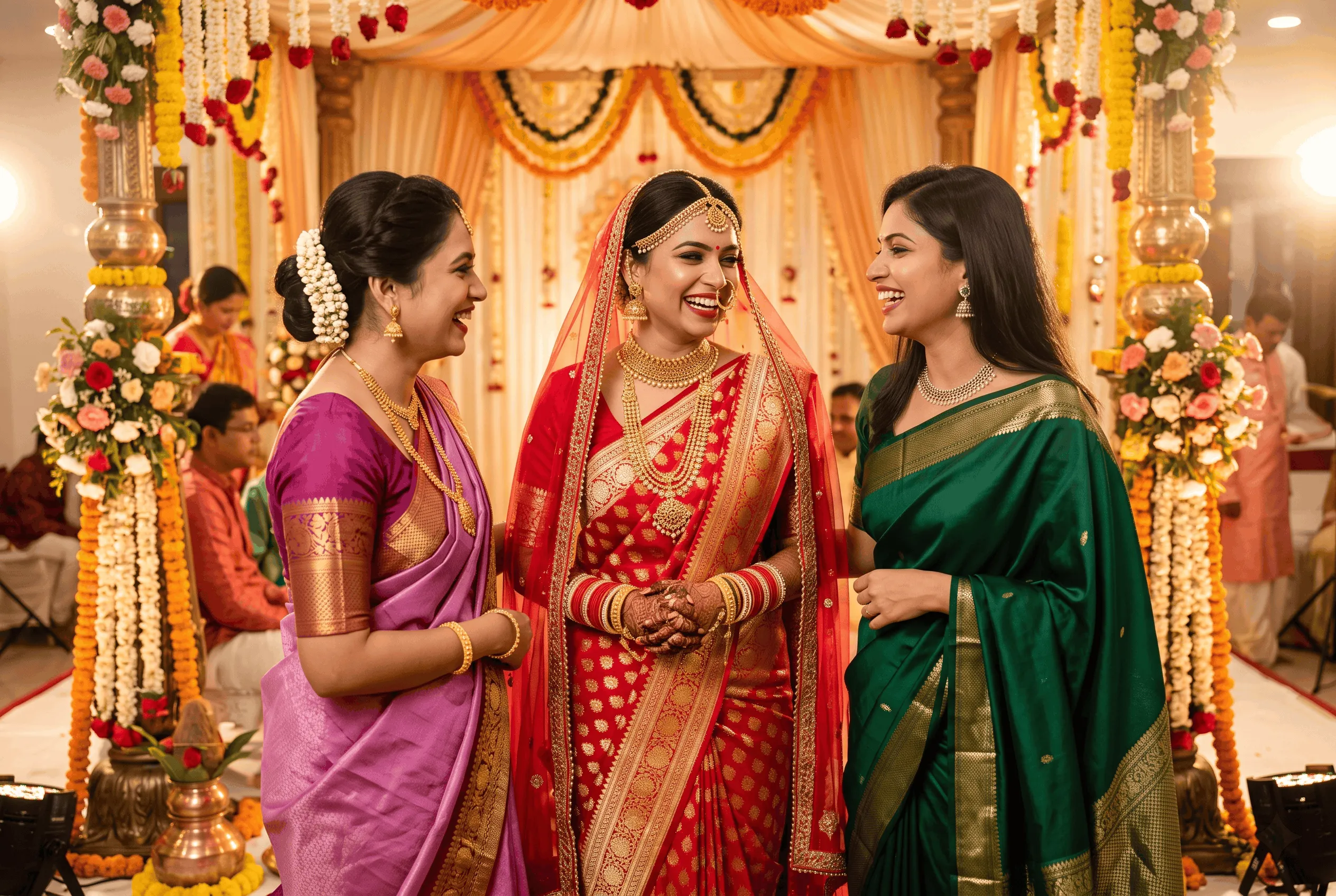
For brides: Kanjivaram and Banarasi are the most traditional choices, with Paithani, Patola and Baluchari popular in their home regions.
For the main ceremony as a guest: a lighter Kanjivaram, a Banarasi with less zari, a Mysore silk or a Pochampally silk looks elegant without competing with the bride.
For receptions: tissue silk, organza silk and Mysore silk offer a lighter, more modern look.
For day weddings: Chanderi silk, Uppada and light Mysore silk are comfortable in the heat.
See our best silk saree for wedding guide for a full buyer's checklist.
Which Silk for Festivals?
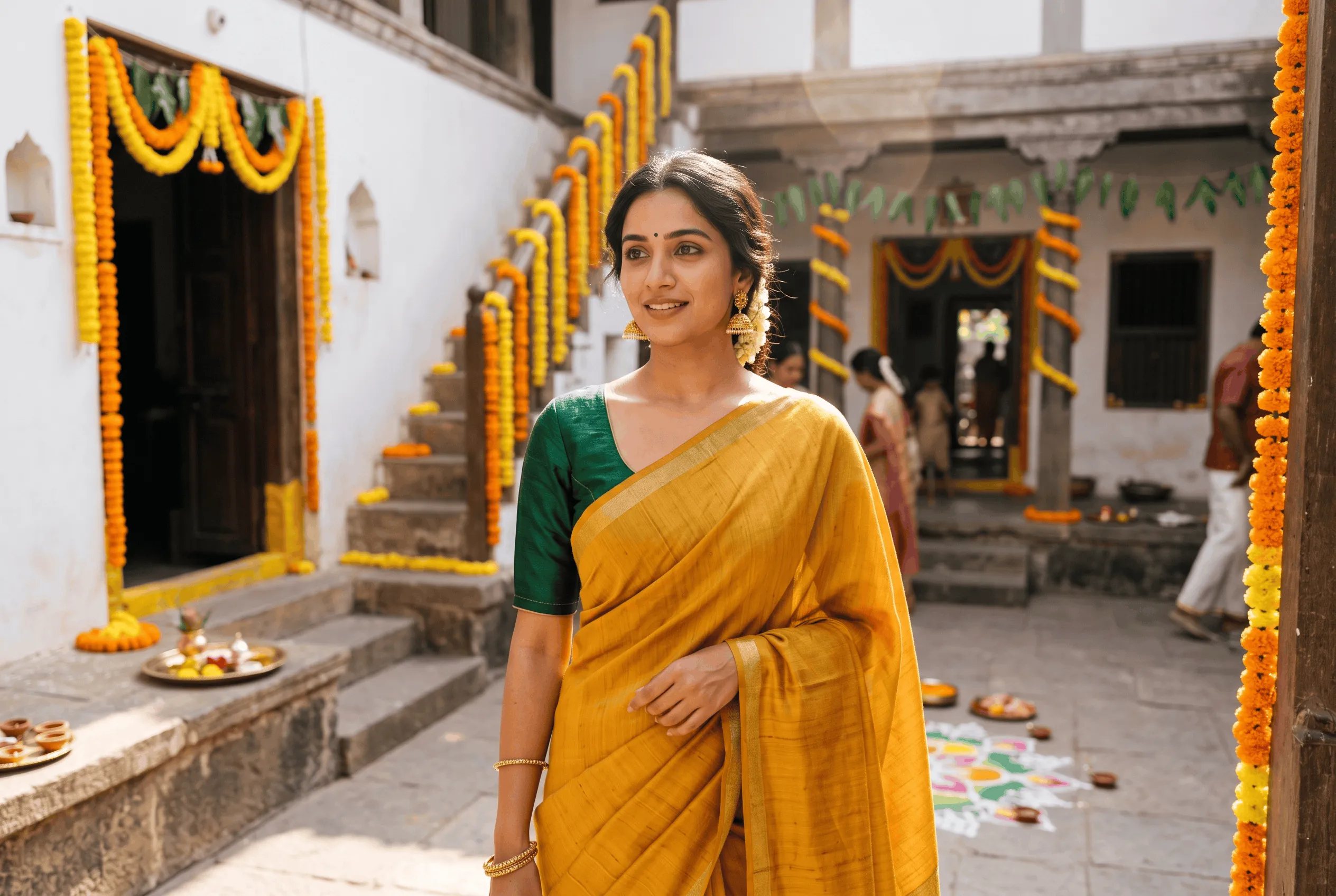
Diwali and Lakshmi Puja: Banarasi, Kanjivaram and Paithani in jewel tones with gold zari.
Navratri and Durga Puja: Patola, Baluchari and Bandhani-style silks, along with tussar for daytime.
Onam and South Indian festivals: Kasavu with gold, Kanjivaram and Dharmavaram.
Karwa Chauth: red Banarasi or maroon Kanjivaram.
Which Silk for Office Events and Formal Occasions?
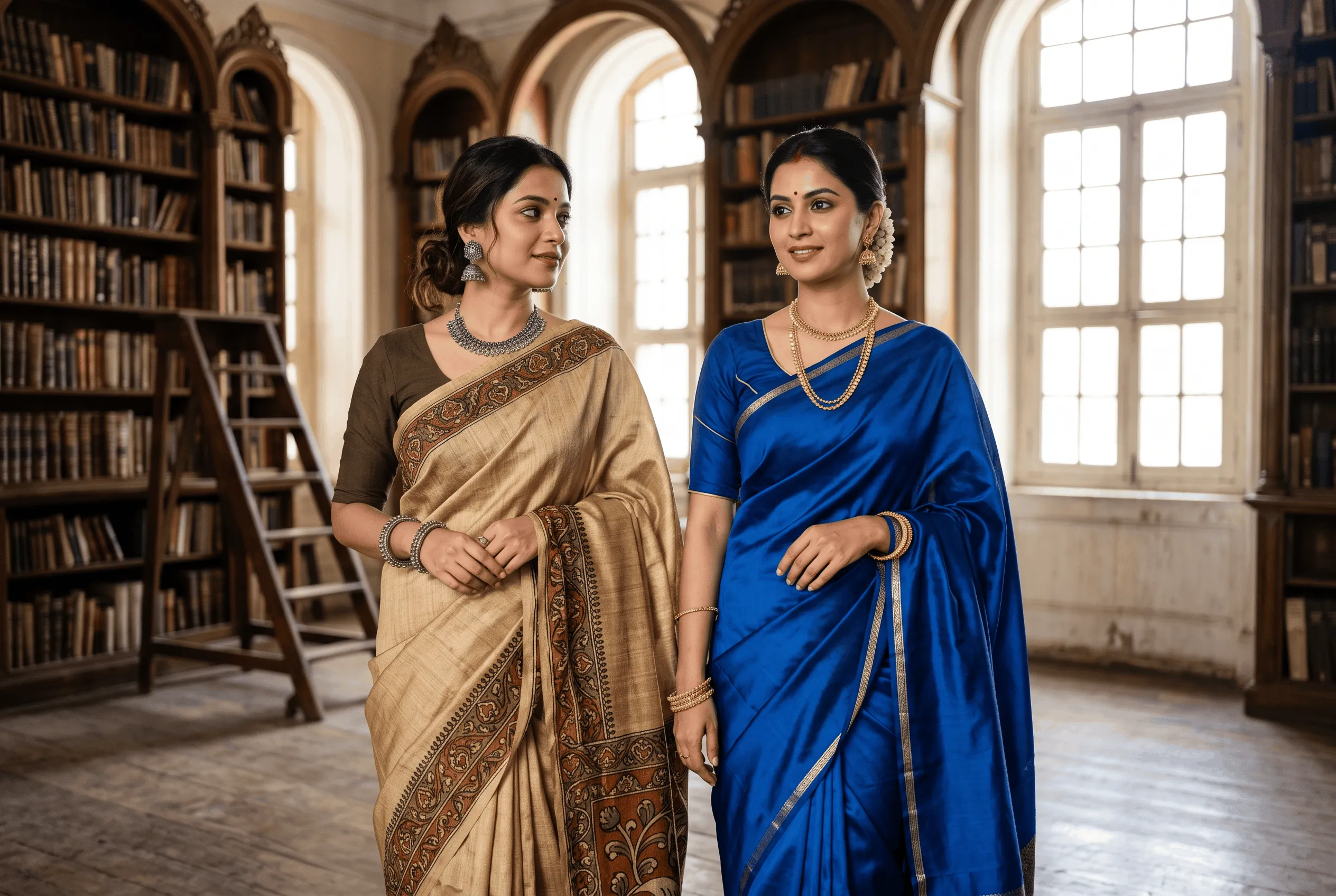
Mysore silk is ideal because it is smooth, light and understated.
Tussar has a sophisticated, earthy look that suits formal events and conferences.
Raw silk sarees and jackets look structured and polished.
Chanderi silk is light and elegant for daytime formal events.
Which Silk for Summer?
Heavy silks can feel warm in summer, so choose lighter weaves.
Chanderi silk, Uppada, Mysore silk and light tussar are the most comfortable.
Organza silk is airy and elegant for day weddings.
Save heavy Kanjivaram and brocade Banarasi for cooler months or air-conditioned evening events.
Which Silk for Winter?
Winter is the perfect time for heavier, richer silks.
Kanjivaram, brocade Banarasi and raw silk look luxurious and feel substantial.
Eri silk stoles and shawls add natural warmth.
Pair silk sarees with velvet blouses and Pashmina shawls at outdoor events.
Comparing Weight, Sheen and Drape
| Silk | Weight | Sheen | Drape |
|---|---|---|---|
| Kanjivaram | Heavy | High | Structured |
| Banarasi | Medium to heavy | Medium to high | Structured to fluid |
| Mysore | Light | High | Fluid |
| Tussar | Light to medium | Low, natural | Soft, textured |
| Muga | Medium | Natural golden | Smooth |
| Chanderi silk | Very light | Soft | Sheer, crisp |
| Raw silk | Medium | Low | Structured |
Choosing Silk by Budget
| Budget | Good options |
|---|---|
| Under ₹5,000 | Silk blends, art silk (not real silk), light tussar, cotton-silk Chanderi |
| ₹5,000 – ₹15,000 | Mysore silk, pure Chanderi silk, Pochampally silk, Uppada, tussar |
| ₹15,000 – ₹40,000 | Kanjivaram, Banarasi, Paithani, Baluchari, muga |
| ₹40,000 and above | Heavy bridal Kanjivaram, fine Banarasi brocade, Patan Patola, heavy Paithani |
Prices vary by city, seller, weight and zari. See our saree price guide.
Understanding Zari in Silk Sarees
Zari, the metallic thread woven into many silk sarees, has a big effect on price, weight and appearance.
Pure zari traditionally uses fine silver thread, often coated with gold. It is the most expensive and has a soft, rich glow.
Tested zari uses a copper-based core with a metallic coating. It is widely used and offers good value.
Synthetic or imitation zari uses metallised film and is the least expensive. It can look bright at first but may lose its shine over time.
When comparing two silk sarees that look similar, the zari type often explains the price difference. Our zari silk guide explains this in detail.
Silk Beyond Sarees
Silk is also used for lehengas, blouses, kurtas, dupattas and jackets.
Raw silk is a favourite for structured blouses, kurtas and bridal lehengas because it holds embroidery well. See our raw silk guide.
Brocade silk is popular for blouses that dress up plain sarees.
Silk dupattas add richness to cotton or georgette suits.
Tussar and eri silk jackets offer a textured, earthy look for festive and formal events.
Questions to Ask Before Buying Silk
Is this pure silk, a silk blend or art silk?
Which type of silk is it: mulberry, tussar, muga or eri?
Is it handloom or powerloom?
Is the zari pure, tested or synthetic?
Does it carry a Silk Mark or GI label?
What care does the seller recommend?
A trustworthy seller will answer these questions clearly, and the answers will help you judge whether the price is fair.
Art Silk Is Not Silk
"Art silk" (artificial silk) is usually made from viscose or polyester.
It can look shiny and attractive, but it is not natural silk and should be priced much lower.
Always ask about fibre content, and look for the Silk Mark when buying pure silk.
How to Recognise Pure Silk
Look for the Silk Mark label on pure silk products.
Feel the fabric. Pure silk feels smooth and warms up quickly in your hand.
Check the sheen. Natural silk has a soft, multi-dimensional sheen; synthetics often look glassy.
Burn test (only on a loose thread of a saree you own): silk smells like burning hair and leaves crushable ash; synthetics melt into hard beads.
Read our detailed guide on how to identify a pure silk saree and our pure silk pillar guide.
Styling Different Silks
Heavy silks such as Kanjivaram and Banarasi need minimal styling: a classic blouse and traditional gold or temple jewellery.
Light silks such as Mysore and Chanderi can be dressed up with statement blouses and jewellery.
Textured silks such as tussar and raw silk pair beautifully with oxidised silver, terracotta and handmade jewellery.
See our guide to ethnic jewellery with silk sarees.
Caring for Silk Sarees
Dry-clean most silk sarees, especially those with zari.
Store in muslin or cotton, never plastic.
Refold every few months to prevent weak crease lines.
Keep away from damp, direct sunlight and perfume.
Wrap zari in tissue paper to slow tarnishing.
Our silk saree care guide has more tips.
Building a Silk Wardrobe Over Time
First silk saree: a versatile Mysore silk or light Kanjivaram in a jewel tone.
Second: a Banarasi for festivals and weddings.
Third: a tussar or raw silk for formal and office events.
Later additions: a regional heirloom such as a Paithani, Patola, Baluchari or muga.
Building slowly lets you choose pieces you truly love.
Silk Sarees for Different Body Types
Petite women look elegant in light, fluid silks such as Mysore silk and Chanderi silk, with narrow borders that do not overwhelm the frame.
Curvy women often prefer silks with a soft, smooth fall, such as Mysore silk or light Banarasi, which drape without adding bulk.
Tall women carry heavy Kanjivaram and broad-bordered silks beautifully, as the strong borders and rich pallus balance a longer frame.
Whatever your body type, a well-fitted blouse and neat pleats matter more than the silk itself.
Silk and Sustainability
Silk is a natural fibre, and handloom silk supports large numbers of rural weavers and sericulture farmers.
Eri silk, sometimes called ahimsa or peace silk, is chosen by people who prefer silk produced without harming the silkworm.
Choosing durable, well-made handloom silk that lasts for decades is itself a sustainable choice.
Matching Silk to Climate and Region
In humid coastal cities, lighter silks such as Mysore, Chanderi silk and Uppada stay more comfortable than heavy brocades.
In the dry, cold North Indian winter, Banarasi brocade, Kanjivaram and raw silk feel just right.
For hill weddings, silk sarees paired with woollen shawls are both elegant and practical.
Silk Sarees as Heirlooms and Gifts
Silk sarees are among the most cherished gifts in Indian families.
A good silk saree can be passed down through generations, and many families keep wedding silks for daughters and granddaughters.
When buying silk as a gift, choose a versatile colour and a reputable seller, and include care instructions so it lasts.
Common Mistakes When Choosing Silk
Paying pure silk prices for art silk is the most common mistake.
Another is choosing heavy Kanjivaram or brocade for a hot daytime event.
Some buyers also choose silk only by photographs, when colours and zari look very different in person.
Finally, storing silk in plastic can cause damage over time.
Finding Your Silk
Silk fabric types for Indian wear offer something for every occasion, season and budget.
Choose heavy silks for ceremonies and winter weddings, light silks for summer and office events, and textured silks for formal and artistic looks.
Learn the basics of pure silk, buy from trusted sellers and care for your sarees well, and your silk collection will last for generations.
Explore more in our Banarasi vs Kanjivaram decision guide and the traditional wear trends 2026 guide.
Comments (0)
Leave a Thought
No comments yet. Be the first to share your thoughts!