Eri silk is one of India's most comforting textiles.
It is soft, warm, matte and gently textured, with a feel that many people compare to fine wool or cashmere rather than shiny silk.
Eri comes mainly from Assam and the North-East, and it is often called peace silk or ahimsa silk, because the traditional process allows the moth to leave the cocoon before the silk is spun.
This Eri silk guide focuses on how to wear eri in daily life and through the cooler months: shawls, stoles, sarees, kurtas and jackets, along with styling ideas, how to recognise genuine eri, prices and care.
For the history and production of eri, read our article on Eri silk: history, origin, uses and care.
If you love natural fabrics, handcrafted textures and thoughtful, sustainable choices, eri deserves a place in your wardrobe.

What Makes Eri Silk Different
Eri silk is produced by silkworms that feed mainly on castor leaves.
Unlike most silks, which are reeled as long continuous filaments, eri cocoons are open-ended, so the silk is spun rather than reeled, much like wool or cotton.
This spinning process gives eri its soft, slightly fuzzy, matte texture.
Eri is also known for its natural warmth, which makes it unusual among silks and especially suitable for winter.
Why Eri Is Called Peace Silk
In traditional eri production, the moth is allowed to emerge from the cocoon before the silk is processed.
Because the silkworm is not killed in this process, eri is often described as peace silk or ahimsa silk.
This makes eri a popular choice for people who prefer more ethical textiles, although some people who avoid all animal fibres may still choose not to wear silk.
Eri Shawls and Stoles
Eri shawls and stoles are among the most popular eri products.
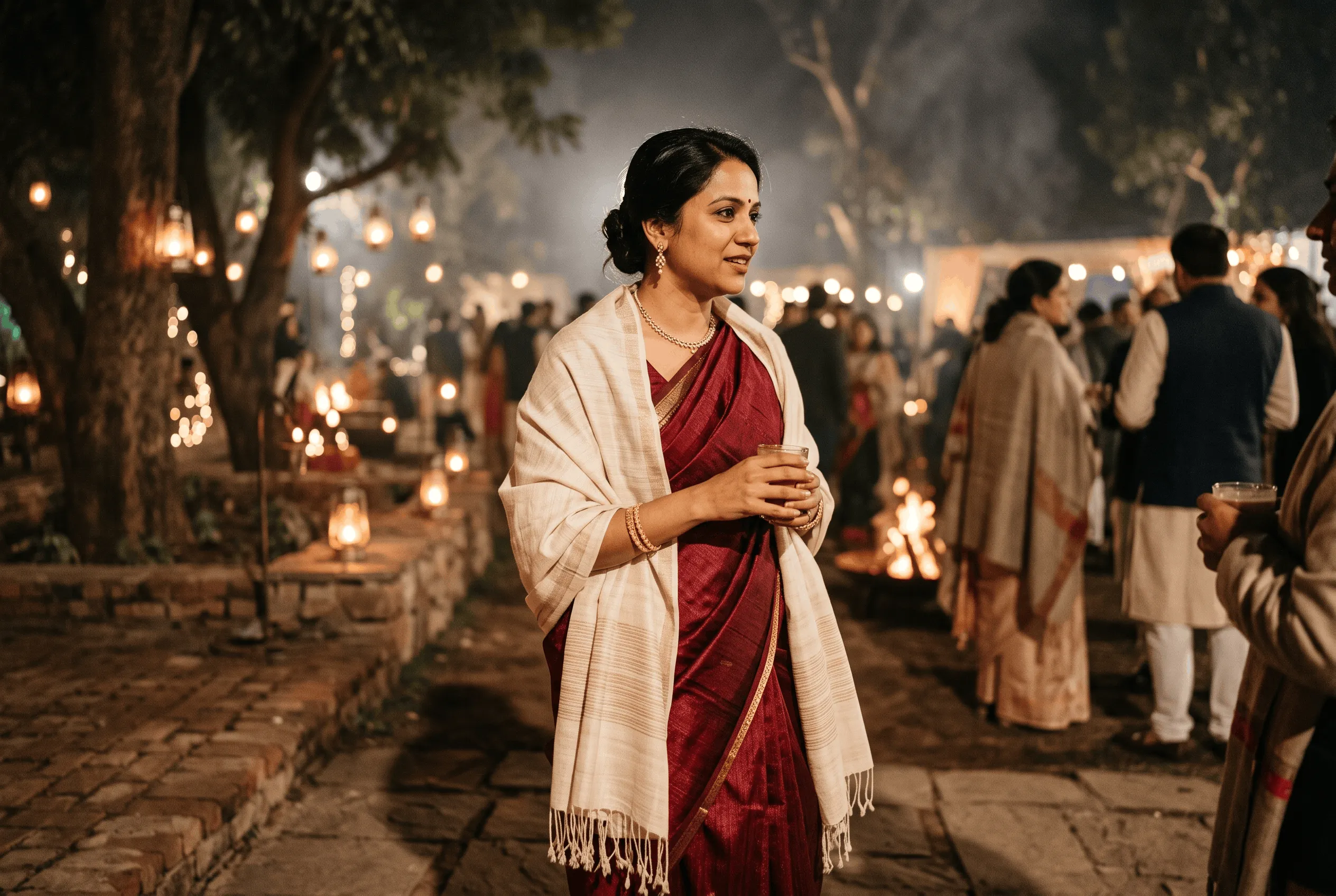
They are light, soft and warm, which makes them perfect for winter mornings, evening events and travel.
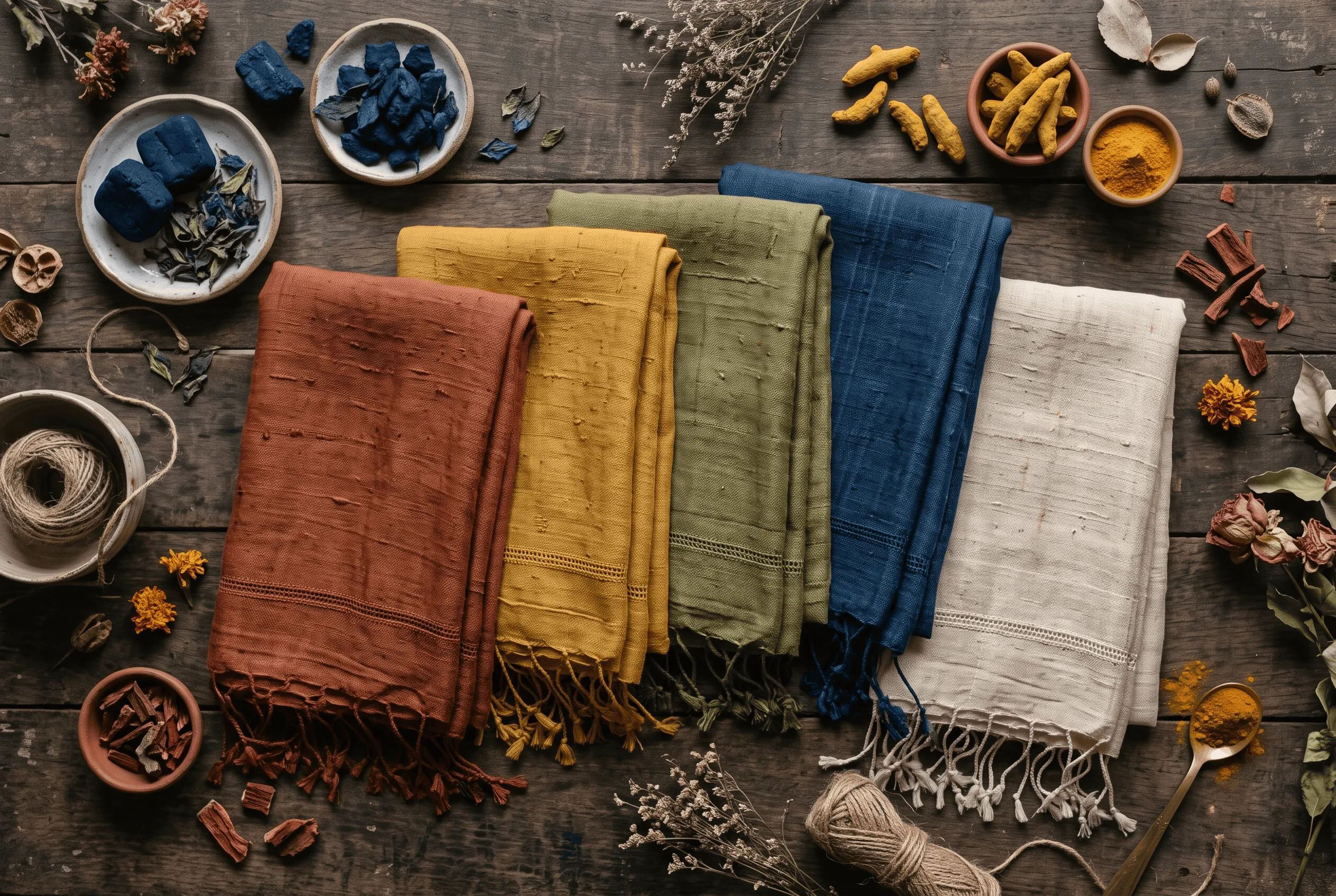
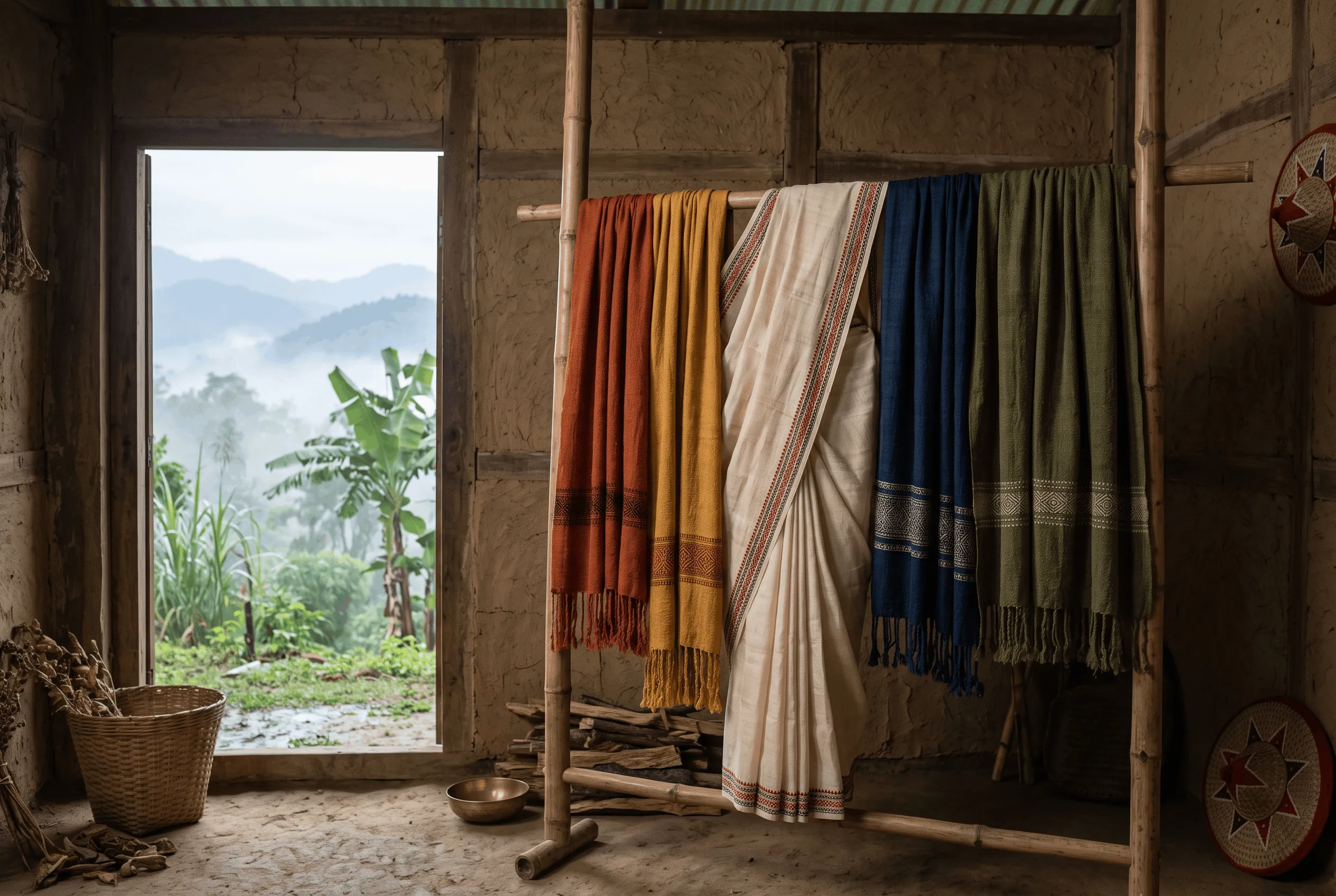
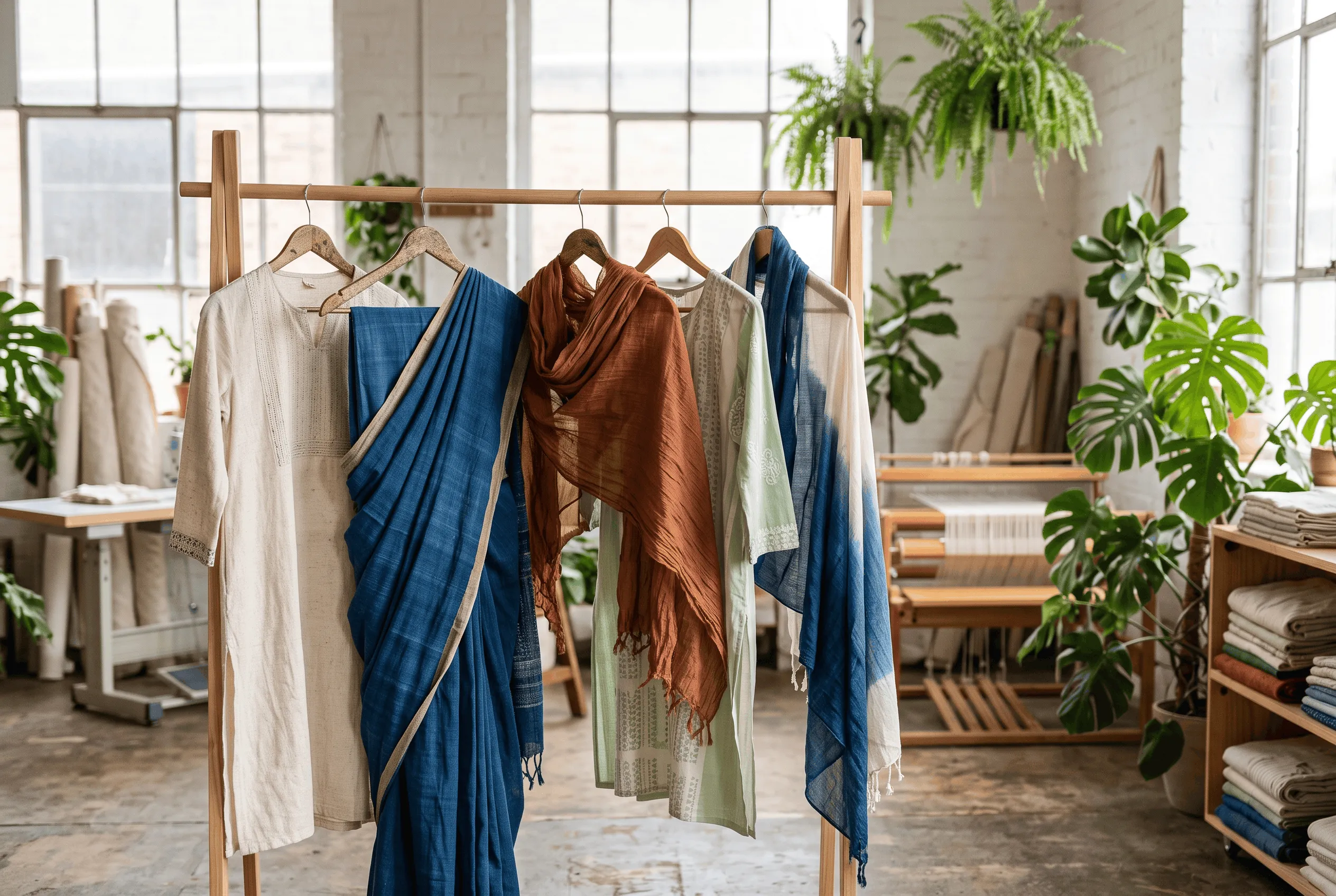
Natural undyed eri has an ivory to beige tone, while naturally dyed eri comes in earthy shades such as rust, mustard, olive, indigo and brown.
A simple eri stole can be worn with kurtas, sarees, western outfits and even office wear.
Eri Silk Sarees
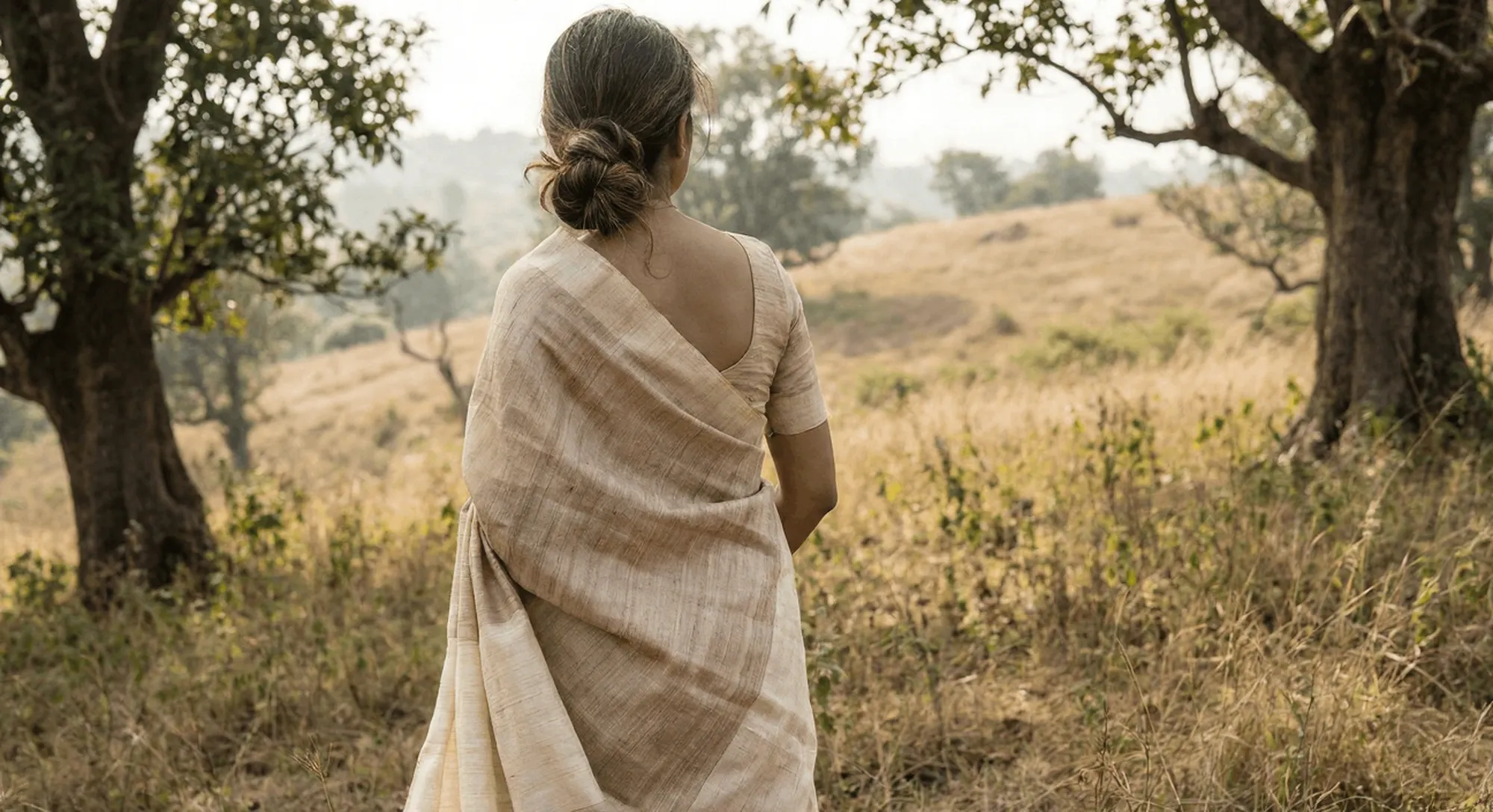
Eri sarees have a soft, matte drape and a relaxed, artisanal look.
They are lighter and less formal than heavy mulberry silks, which makes them ideal for daytime events, cultural occasions and winter office wear.
Eri sarees are often woven with simple borders, stripes or traditional North-Eastern motifs, and some combine eri with other silks for added sheen.
Pair an eri saree with a contrast blouse and handcrafted jewellery for an understated, elegant look.
Eri Kurtas, Jackets and Menswear
Eri is also woven into kurtas, jackets and men's ethnic wear.
Eri kurtas are comfortable and warm in cooler months.
Eri Nehru jackets and waistcoats add texture to festive and formal outfits.
Eri mufflers and scarves are popular gifts and practical winter accessories.
How to Style Eri Silk
Everyday Winter Wear
Drape an eri stole over a cotton or khadi kurta for a warm, stylish everyday look.
Office Wear
A solid eri saree or kurta in a muted colour, paired with a structured blouse or jacket, looks polished and comfortable.
Festive Daytime Events
An eri saree with woven motifs and a brocade or silk blouse works well for pujas and family gatherings.
Weddings in Winter
Layer an eri shawl over a silk saree or lehenga for outdoor winter weddings. It adds warmth without heaviness.
Travel
Eri stoles fold easily and keep you warm on flights and trains.
Eri in North-Eastern Traditions
Eri has long been part of daily life in Assam and the North-East.
Families have traditionally reared eri silkworms at home, and women have spun and woven eri into warm shawls and wraps for the cold months.
Eri shawls have often been given as gifts to elders and guests as a sign of respect and warmth.
This close connection to everyday life is one reason eri still feels so personal and handcrafted today.
Layering Eri With Other Fabrics
Eri layers beautifully with other natural fabrics.
With cotton: an eri stole over a cotton kurta or saree adds warmth on cool mornings.
With silk: an eri shawl over a mulberry or muga silk saree keeps you warm at winter weddings without hiding the saree.
With khadi: eri and khadi together create a relaxed, earthy, sustainable look.
With wool: an eri stole under a woollen coat adds softness against the skin.
Because eri is matte, it pairs well with both shiny and textured fabrics.
Eri for Every Age
Eri's softness and warmth make it suitable for every generation.
Elders appreciate its comfort and warmth, especially in winter.
Young professionals enjoy eri stoles and jackets as stylish, sustainable additions to office wear.
Children and teens can wear light eri mufflers and stoles that are gentle on the skin.
This versatility makes eri a thoughtful family gift.
Colours and Natural Dyes
Eri takes natural dyes beautifully, which gives it soft, earthy tones.
Natural ivory and beige look elegant and versatile.
Rust, mustard and terracotta feel warm and autumnal.
Indigo and olive look calm and sophisticated.
Brown and charcoal suit winter wardrobes and menswear.
Many artisans in the North-East use plant-based dyes, which adds to eri's eco-friendly appeal.
Eri vs Other Silks
| Feature | Eri | Mulberry | Tussar | Muga |
|---|---|---|---|---|
| Texture | Soft, matte, wool-like | Smooth, lustrous | Textured, soft sheen | Smooth, golden sheen |
| Warmth | High | Low to medium | Medium | Medium |
| Process | Spun | Reeled | Reeled | Reeled |
| Natural colour | Ivory to beige | White | Golden-beige | Golden |
| Best for | Shawls, stoles, winter wear | Sarees, bridal wear | Sarees, formal wear | Mekhela chador, sarees |
For more on Assam's silks, see our Muga silk buying guide.
How to Recognise Genuine Eri
Texture: genuine eri feels soft, slightly fuzzy and matte, not glossy.
Warmth: eri feels noticeably warm when you hold it.
Natural irregularities: hand-spun eri yarn has small variations.
Labels: look for the Silk Mark on pure silk products where available.
Source: buy from North-Eastern weaving cooperatives, artisan groups and trusted sellers.
Imitations are often made from wool blends or synthetic fibres with a similar look, so ask about fibre content.
Price Guide
These are indicative 2026 ranges. Prices vary by city, seller, weave and dyes.
| Item | Indicative price range |
|---|---|
| Eri silk stole | ₹1,500 – ₹5,000 |
| Eri silk shawl | ₹3,000 – ₹12,000 |
| Eri silk saree | ₹5,000 – ₹20,000+ |
| Eri silk kurta | ₹2,500 – ₹8,000 |
| Eri silk jacket | ₹3,000 – ₹10,000 |
| Eri silk muffler | ₹1,000 – ₹3,000 |
How to Care for Eri Silk
Hand-wash gently in cold water with a mild soap, or dry-clean if the piece has delicate dyes or work.
Do not wring. Press out water gently and dry flat in the shade.
Avoid harsh sunlight, which can fade natural dyes.
Iron on low heat if needed, or simply smooth while damp.
Store folded in cotton with natural moth repellents such as neem leaves.
Eri becomes softer with gentle washing and use, so a well-loved eri shawl often feels even better after a few winters than it did on the day you bought it.
Eri and Sustainable Fashion
Eri is often chosen as a sustainable and ethical textile.
The silkworms feed on castor leaves, and traditional production allows the moth to emerge before spinning.
Natural dyeing and handweaving add to its low-impact profile.
Read more in our guide to sustainable handloom fashion.
Building an Eri Wardrobe
One natural ivory eri shawl for winter events and travel.
Two naturally dyed eri stoles in rust and indigo for everyday wear.
One eri saree for daytime functions and office.
One eri jacket or kurta for layering.
These pieces offer warmth, comfort and understated style through the cooler months.
Supporting North-Eastern Artisans
Eri rearing, spinning and weaving are traditional skills in Assam and the North-East, often practised by women in rural households.
Buying eri directly from cooperatives and artisan groups helps sustain these livelihoods and preserve traditional knowledge.
Many of these groups also work with natural dyes made from local plants, roots and bark, so your purchase supports both weaving skills and traditional dyeing knowledge. Asking the seller which village or cooperative made a piece is a simple way to make sure your money reaches the artisans.
Common Mistakes With Eri
Expecting eri to shine like mulberry silk is a common misunderstanding.
Another is washing eri in hot water or wringing it, which can damage the fibres.
Some buyers also pay eri prices for wool blends or synthetics.
Finally, avoid storing eri without moth protection in winter.
Why Eri Belongs in Your Wardrobe
Eri silk offers softness, warmth and ethical appeal in a way few textiles can.
Its matte, wool-like texture makes it perfect for shawls, stoles and winter sarees, while its peaceful production story makes it a meaningful choice.
Choose genuine eri, style it with natural fabrics and handcrafted jewellery and care for it gently, and it will keep you warm and elegant for years.
Explore more in our wool in Indian ethnic wear guide and the traditional wear trends 2026 guide.
Eri Silk as a Gift
Eri stoles and mufflers make thoughtful gifts for people who value comfort and sustainability.
They suit almost every age and style, and their peaceful production story adds meaning.
An eri shawl is a lovely gift for elders in winter, while a naturally dyed stole suits friends and colleagues.
Eri for Different Climates
In cold northern winters, eri shawls layer well over woollens and silks.
In milder winters, an eri stole alone often provides enough warmth.
In air-conditioned offices, an eri stole is a practical companion throughout the year.
Because eri breathes well, it rarely feels stuffy even when it keeps you warm.
Comments (0)
Leave a Thought
No comments yet. Be the first to share your thoughts!