More and more people are choosing organic cotton for their kurtas, sarees, baby clothes and everyday wear.
They want fabric that feels good on the skin, is kinder to farmers and the environment and fits into a more thoughtful, sustainable wardrobe.
But "organic" is also one of the most misused words in fashion.
This organic cotton clothing guide explains what organic cotton really means, how it differs from conventional cotton, which certifications to look for, how to spot greenwashing, what organic cotton ethnic wear costs and how to care for it so it lasts.
Whether you are shopping for yourself, your family or a newborn, these tips will help you buy organic cotton with confidence.
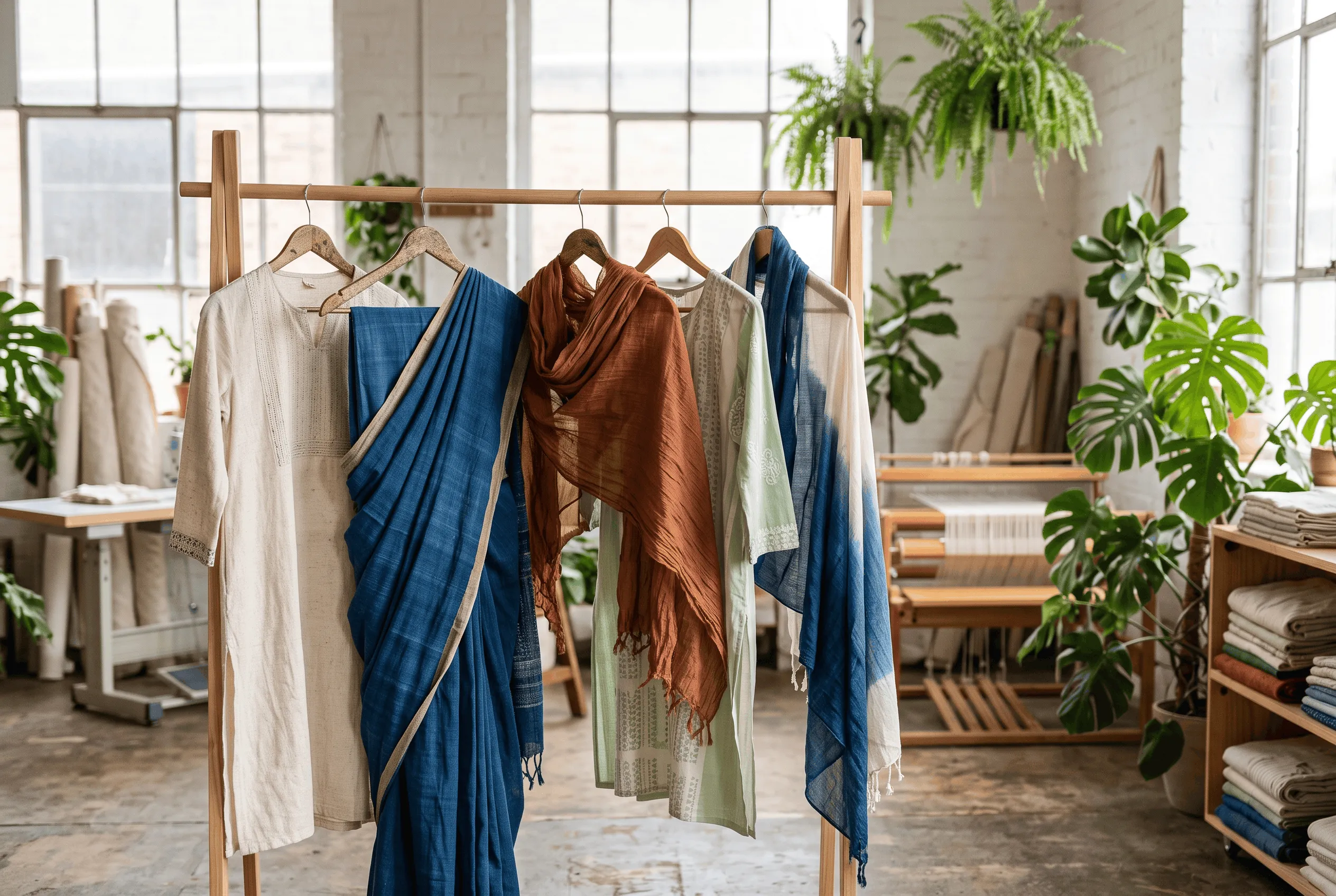
What Is Organic Cotton?
Organic cotton is cotton grown without synthetic pesticides, synthetic fertilisers or genetically modified seeds.
Farmers rely instead on natural methods such as crop rotation, composting and natural pest management.
Organic cotton fabric can then be processed into yarn and cloth, and in certified supply chains, the processing also follows environmental and social standards.
India is one of the world's largest producers of organic cotton, which makes organic cotton ethnic wear increasingly available.
Organic Cotton vs Conventional Cotton
Farming: organic cotton avoids synthetic pesticides and fertilisers, while conventional cotton often uses them.
Seeds: organic cotton uses non-GMO seeds.
Soil and water: organic practices aim to protect soil health and reduce chemical run-off.
Farmer health: reduced exposure to synthetic chemicals can benefit farmers and farm workers.
Feel: organic cotton feels very similar to good conventional cotton; the main differences are in how it is grown and processed.
Price: organic cotton usually costs more because yields can be lower and certification adds cost.
Why People Choose Organic Cotton
Comfort and skin sensitivity: many people with sensitive skin prefer organic cotton, especially when it is also processed with gentle, low-impact dyes.
Babies and children: organic cotton is popular for baby clothes, swaddles and children's wear.
Environmental values: choosing organic supports farming that avoids synthetic chemicals.
Supporting farmers: certified organic and fair supply chains can offer better conditions for growers.
Certifications to Look For
Certification is the best way to confirm that a product is genuinely organic.
GOTS (Global Organic Textile Standard): one of the most widely recognised standards for organic textiles. It covers the organic fibre as well as processing, including environmental and social criteria.
OCS (Organic Content Standard): verifies the amount of organic material in a product, but does not cover chemical use in processing to the same extent as GOTS.
India Organic: a national mark associated with organic production in India, generally relating to farming.
Look for certification details on labels or product pages, and check that the certification applies to the product itself, not only to the raw cotton or the company.
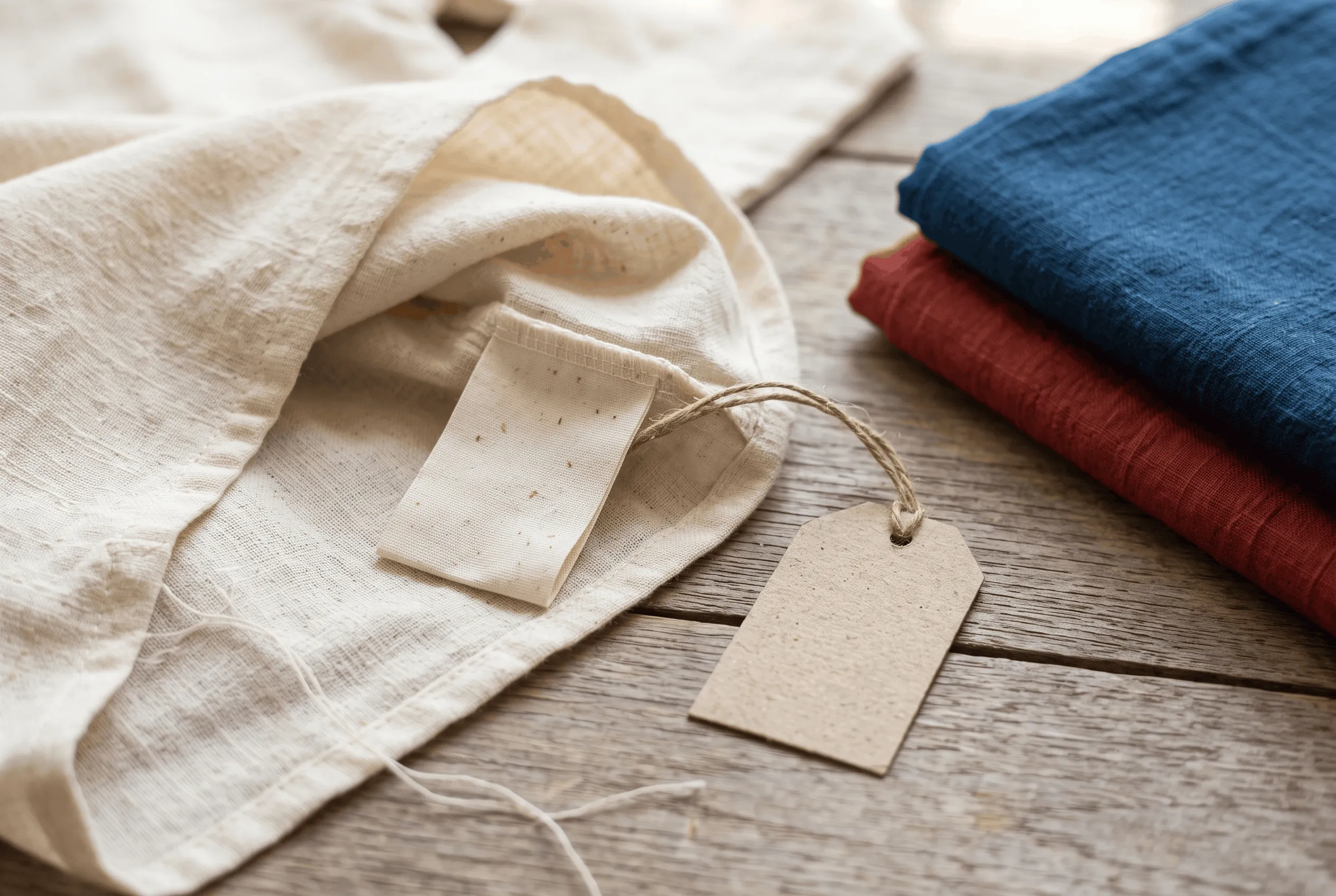
How to Spot Greenwashing
Vague claims: words like "eco", "natural", "green" or "conscious" without details or certification.
Partial organic content: a product may contain only a small percentage of organic cotton. Look for the percentage on the label.
Missing certification details: genuine certified products usually display certification information or can provide it on request.
Unrealistically low prices: certified organic cotton generally costs more than conventional cotton.
Unclear processing: organic fibre processed with harsh dyes and finishes loses some of its benefits.
When in doubt, ask the seller for certification details and fibre content.
Organic Cotton Ethnic Wear Options
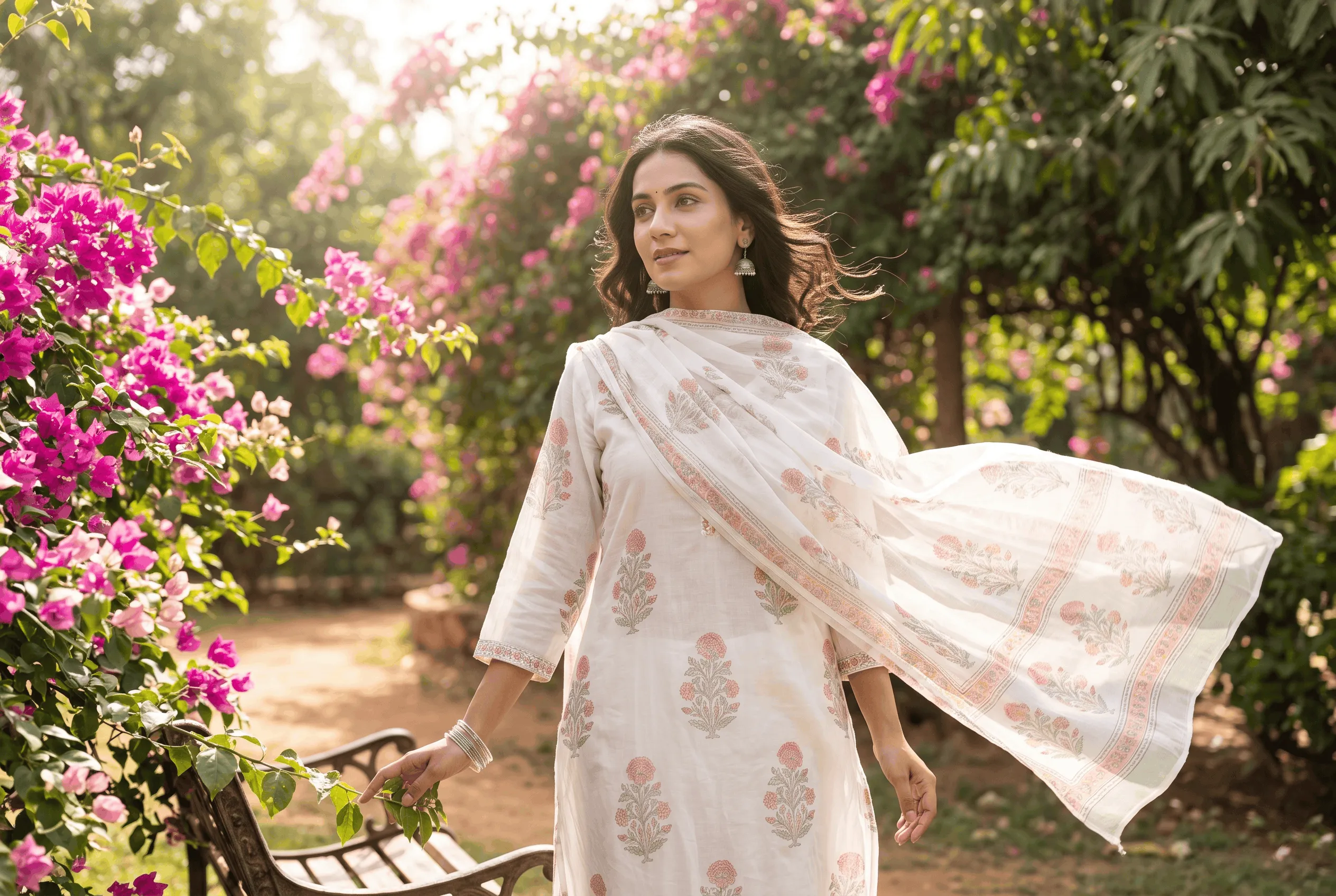
Kurtas and suits: organic cotton kurtas in solid colours, block prints and natural dyes are increasingly common.
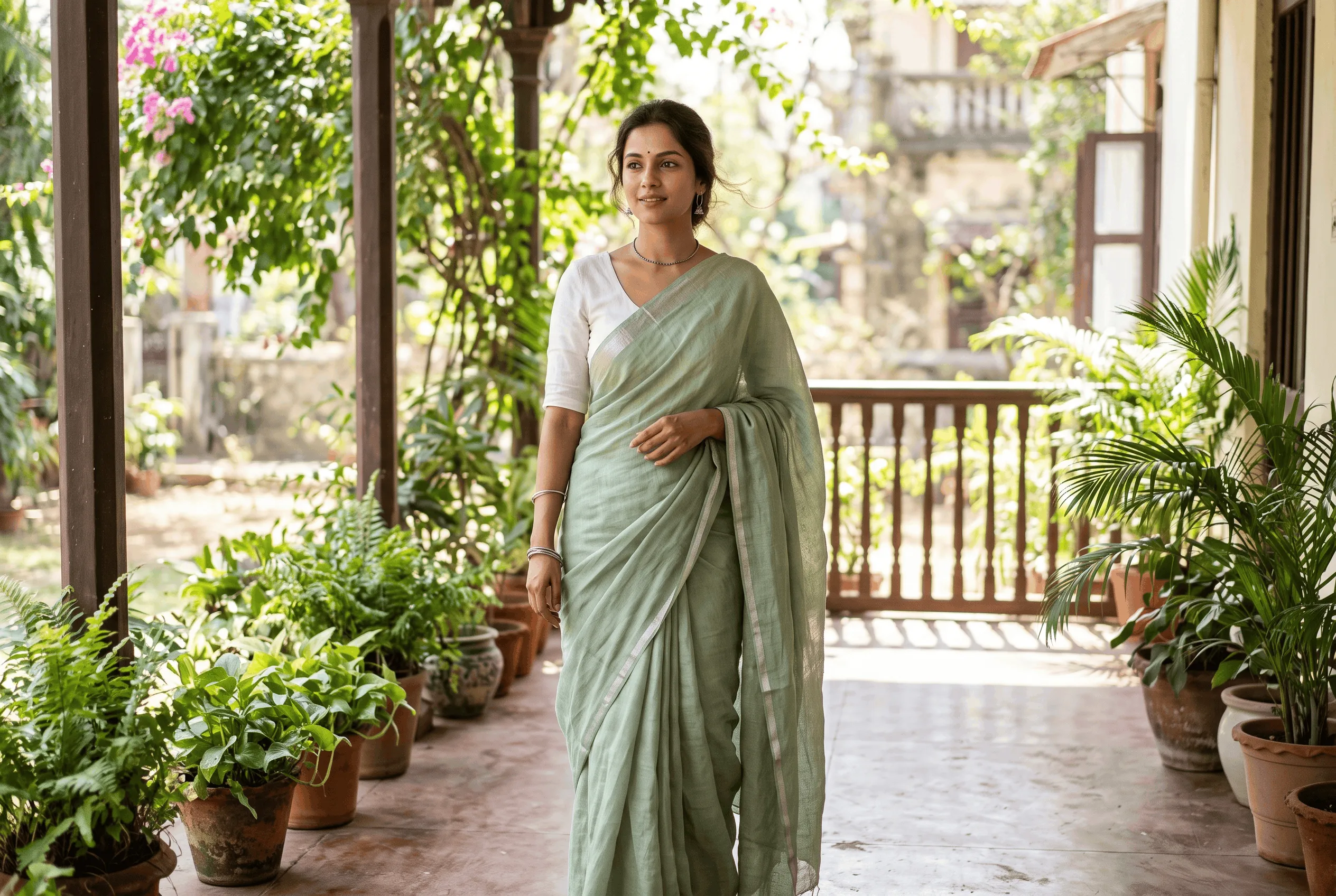
Sarees: handloom organic cotton sarees combine organic fibre with traditional weaving.
Dupattas and stoles: soft organic cotton dupattas are easy, comfortable additions to outfits.
Baby and kids' wear: organic cotton jhablas, kurtas, frocks and swaddles are popular gifts.
Loungewear and nightwear: organic cotton pyjama sets and kaftans are comfortable for daily use.
Organic Cotton and Natural Dyes
Organic cotton is often paired with natural dyes such as indigo, madder, turmeric, pomegranate and iron.
Natural dyes give soft, earthy colours that complement organic fibre's eco-friendly story.
Naturally dyed fabric may fade gently over time and should be washed with care.
See our Bagh Print guide for a traditional natural-dye craft.
Organic Cotton and Handloom
Some of the most sustainable ethnic wear combines organic cotton with handloom weaving.
Handlooms use little electricity, and handloom weaving supports rural artisans.
If you find organic handloom cotton, you are supporting both sustainable farming and traditional craft.
Read more in our handloom cotton guide.
Questions to Ask Before Buying Organic Cotton
Is the product certified, and by which standard?
What percentage of the fabric is organic cotton?
Were the dyes natural, low-impact or conventional?
Where was the cotton grown, and who made the garment?
Does the brand share information about working conditions in its supply chain?
Clear, confident answers are a good sign. Vague replies or a lack of details may suggest greenwashing.
The Limits of "Organic"
Organic cotton is a meaningful improvement over conventional cotton in many ways, but it is not the only factor in sustainability.
Water use, dyeing methods, transport, packaging and how long you keep a garment all matter too.
A well-made conventional cotton kurta worn for ten years may have a smaller footprint than several organic kurtas worn only a few times.
The most sustainable approach combines better materials with buying less, choosing quality and caring for what you own.
How to Style Organic Cotton
Everyday wear: organic cotton kurtas with cotton pants and simple juttis.
Office: solid organic cotton kurtas or sarees with structured blouses.
Festivals: naturally dyed block-printed sarees with silver or terracotta jewellery.
Kids: soft organic cotton outfits in pastel or natural colours.
Price Guide
These are indicative 2026 ranges. Prices vary by brand, certification, weave and dyes.
| Item | Indicative price range |
|---|---|
| Organic cotton kurta | ₹1,200 – ₹4,000 |
| Organic cotton suit set | ₹2,000 – ₹6,000 |
| Organic handloom cotton saree | ₹2,500 – ₹8,000 |
| Organic cotton dupatta | ₹800 – ₹2,500 |
| Organic cotton baby set | ₹600 – ₹2,000 |
| Organic cotton fabric (per metre) | ₹250 – ₹700 |
How to Care for Organic Cotton
Wash in cold water with a mild, gentle detergent.
Wash naturally dyed pieces separately, especially at first.
Avoid bleach and harsh stain removers.
Dry in the shade to protect colours.
Iron on medium heat while slightly damp.
Store in a cool, dry place.
Gentle care keeps organic cotton soft and extends its life, which is itself a sustainable choice.
Washing only when needed, using full loads and air-drying instead of machine-drying also reduce water and energy use. When a piece finally wears out, cotton can be reused as cleaning cloths or quilt layers, or composted if it has no synthetic trims.
Organic Cotton for Babies: What to Check
Choose certified organic cotton with soft, flat seams.
Prefer undyed or gently dyed fabrics.
Look for easy-open fastenings such as snaps or ties.
Pre-wash new baby clothes in a mild detergent before use.
Organic Cotton vs Other Sustainable Fabrics
Khadi: hand-spun and hand-woven, often low-impact, but not necessarily organic. See our khadi fabric guide.
Linen: made from flax, often considered resource-efficient. See our linen ethnic wear guide.
Bamboo fabric: soft and breathable, but processing methods vary widely. See our bamboo fabric guide.
Handloom cotton: supports artisans, though the cotton itself may not be organic.
Each fabric has different strengths, and the most sustainable wardrobe often combines several.
Building an Organic Cotton Wardrobe
Three organic cotton kurtas in versatile colours.
One organic handloom cotton saree for work and events.
Two organic cotton dupattas to mix and match.
One organic cotton loungewear set for home.
Start small, choose certified pieces and replace worn-out items gradually rather than buying everything at once.
Common Mistakes When Buying Organic Cotton
Trusting vague "eco" labels without certification is the most common mistake.
Another is assuming every handloom or khadi product is organic.
Some buyers also overlook the dyes and finishes used on organic fibre.
Finally, buying many organic pieces you do not need can undo the sustainable benefit; buying less and wearing more is often the greener choice.
Why Organic Cotton Is Worth Considering
Organic cotton clothing offers comfort for your skin and supports farming that avoids synthetic chemicals.
By checking certifications, reading labels carefully and caring for your garments, you can build an ethnic wardrobe that feels good and does good.
Explore more sustainable choices in our guide to sustainable handloom fashion and the traditional wear trends 2026 guide.
Organic Cotton Through the Seasons
Summer: organic cotton kurtas and sarees are breathable and comfortable.
Monsoon: choose darker naturally dyed prints that hide splashes, and dry clothes well indoors.
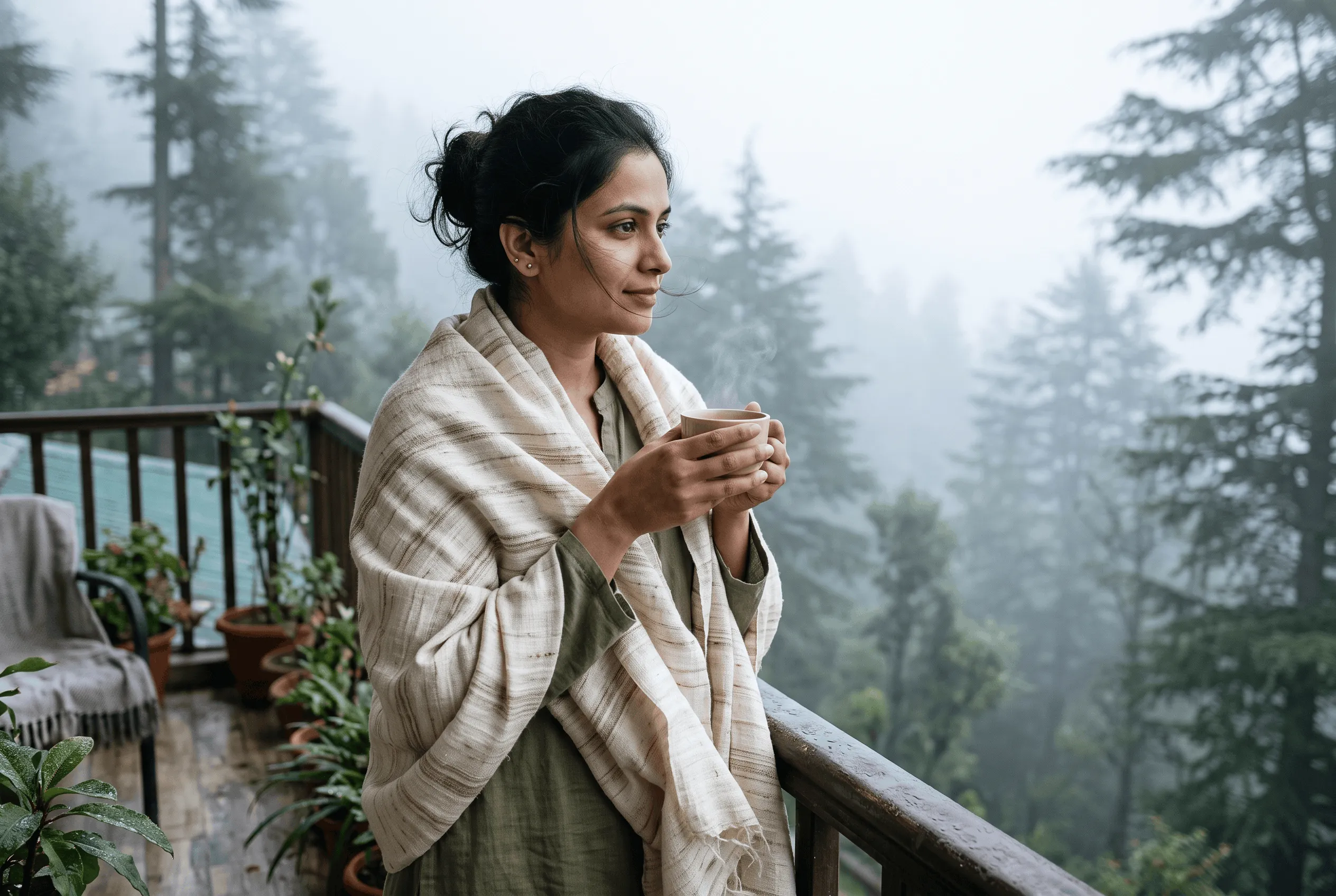
Winter: layer organic cotton kurtas under woollen shawls or jackets.
Festive season: naturally dyed block prints and handloom organic sarees work for daytime celebrations.
Supporting Organic Farmers and Artisans
Organic cotton supply chains depend on farmers who invest time and care in natural farming methods.
Buying certified organic products, especially from brands that work directly with farmer groups and artisans, helps make organic farming more viable.
Ask brands where their cotton comes from and how they support growers. Brands that share farm, cluster or cooperative details are usually more transparent about the rest of their supply chain too.
Organic Cotton for Gifting
Organic cotton baby sets, kurtas and dupattas make thoughtful gifts for new parents and eco-conscious friends.
Include a note about gentle care so the recipient can enjoy the gift for longer.
Comments (0)
Leave a Thought
No comments yet. Be the first to share your thoughts!