There are few fabrics as gentle on the skin as mulmul.
Soft, airy and light enough to float in a breeze, mulmul cotton has been loved in India for generations, especially during long, hot summers.
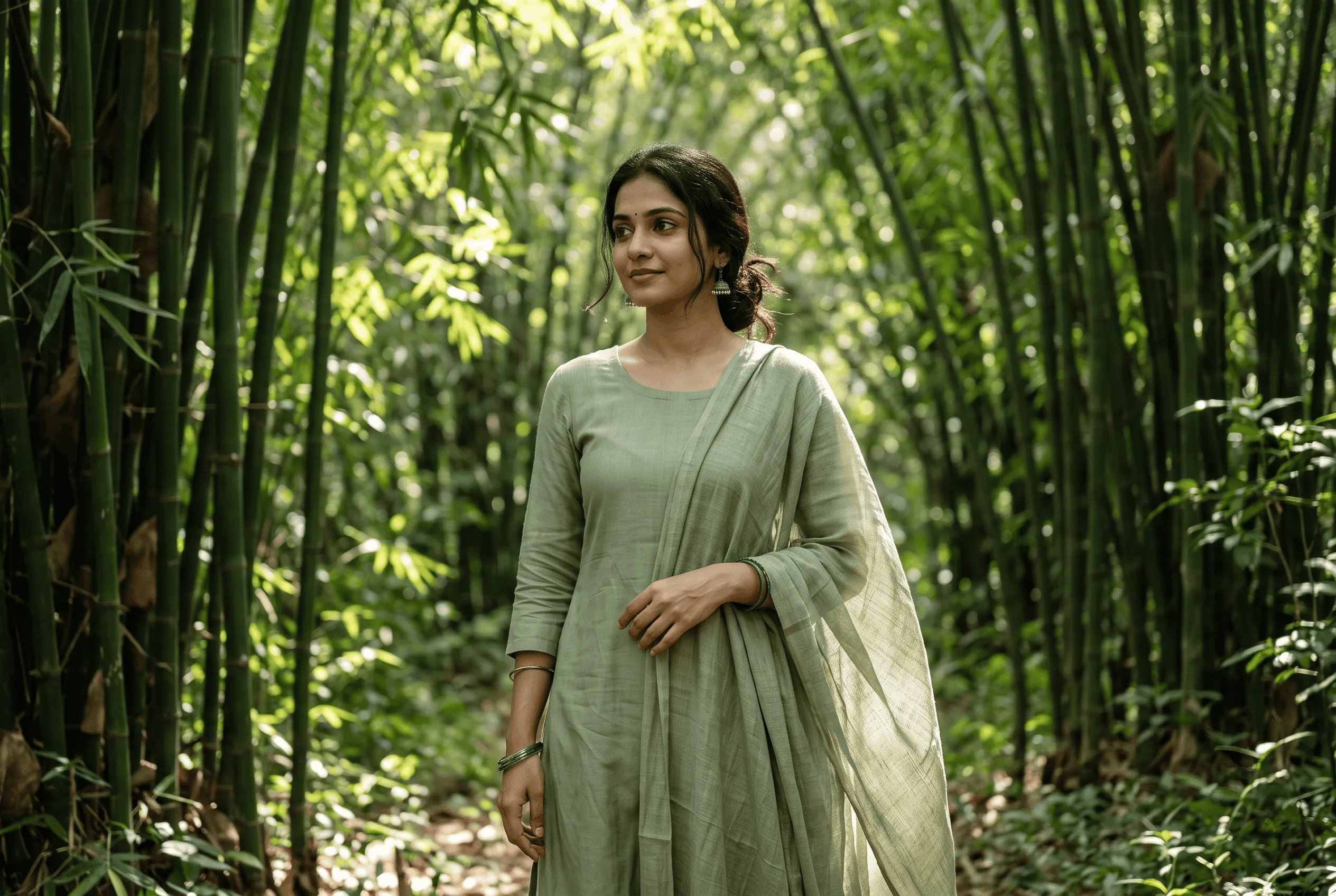
Today, mulmul cotton is used for breezy kurtas, light sarees, floaty dupattas, comfortable nightwear and even baby clothes, often decorated with block prints, Chikankari or gentle tie-dye.
This guide explains what mulmul is, how it differs from other cottons, why it feels so comfortable, how to wear it through the year, how to choose good quality, what it costs and how to care for it so it stays soft and beautiful.
If you love comfortable, breathable everyday ethnic wear, mulmul is one fabric you will want more of.
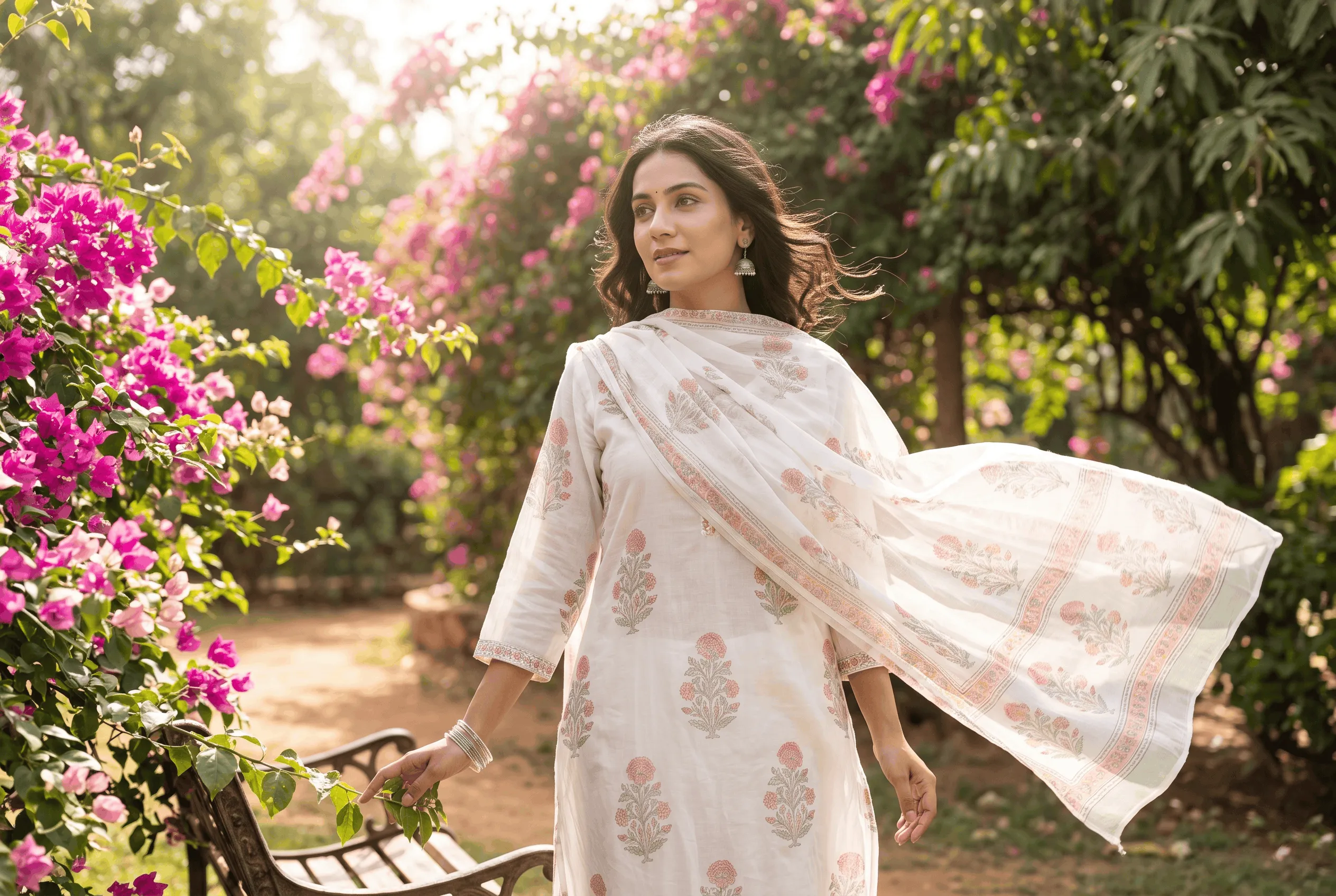
What Is Mulmul?
Mulmul is a very fine, soft, lightweight cotton fabric, closely related to what is often called muslin.
It is woven with fine cotton yarns in a loose, plain weave, which makes it airy, semi-sheer and very breathable.
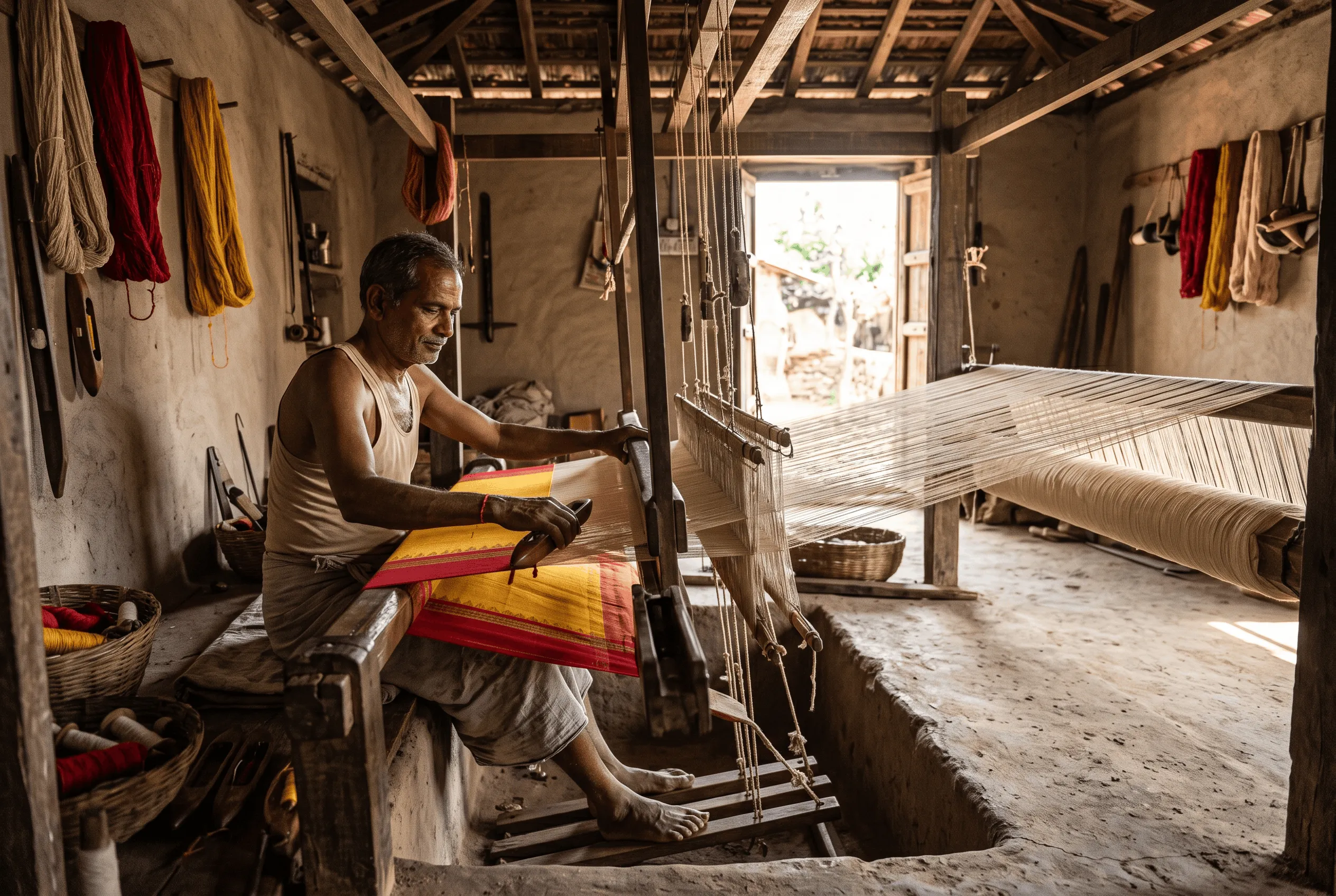
Historically, Bengal was famous for exceptionally fine muslin, which was prized around the world for its delicacy.
Modern mulmul is made on both handlooms and power looms, and it ranges from extremely fine, almost transparent fabric to slightly heavier, everyday weaves.
Why Mulmul Feels So Comfortable
It is very soft. Fine cotton yarns create a gentle, smooth feel against the skin.
It breathes. The loose weave allows air to flow freely, keeping you cool.
It is light. Mulmul garments weigh very little, which makes them easy to wear all day.
It absorbs moisture. Like all cotton, mulmul absorbs sweat and keeps you comfortable.
It gets softer with washing. Good mulmul becomes even softer over time.
Mulmul vs Other Cottons
| Feature | Mulmul | Regular cotton | Cambric | Voile |
|---|---|---|---|---|
| Weight | Very light | Light to medium | Light | Very light |
| Softness | Very soft | Moderate | Smooth | Soft |
| Transparency | Semi-sheer | Opaque | Mostly opaque | Semi-sheer |
| Breathability | Excellent | Good | Good | Excellent |
| Best for | Kurtas, dupattas, summer wear | Everyday wear | Shirts, kurtas | Dresses, kurtas |
Mulmul Kurtas
Mulmul kurtas are a summer staple.
They are breezy, comfortable and perfect for hot days at home, at work or on holiday.
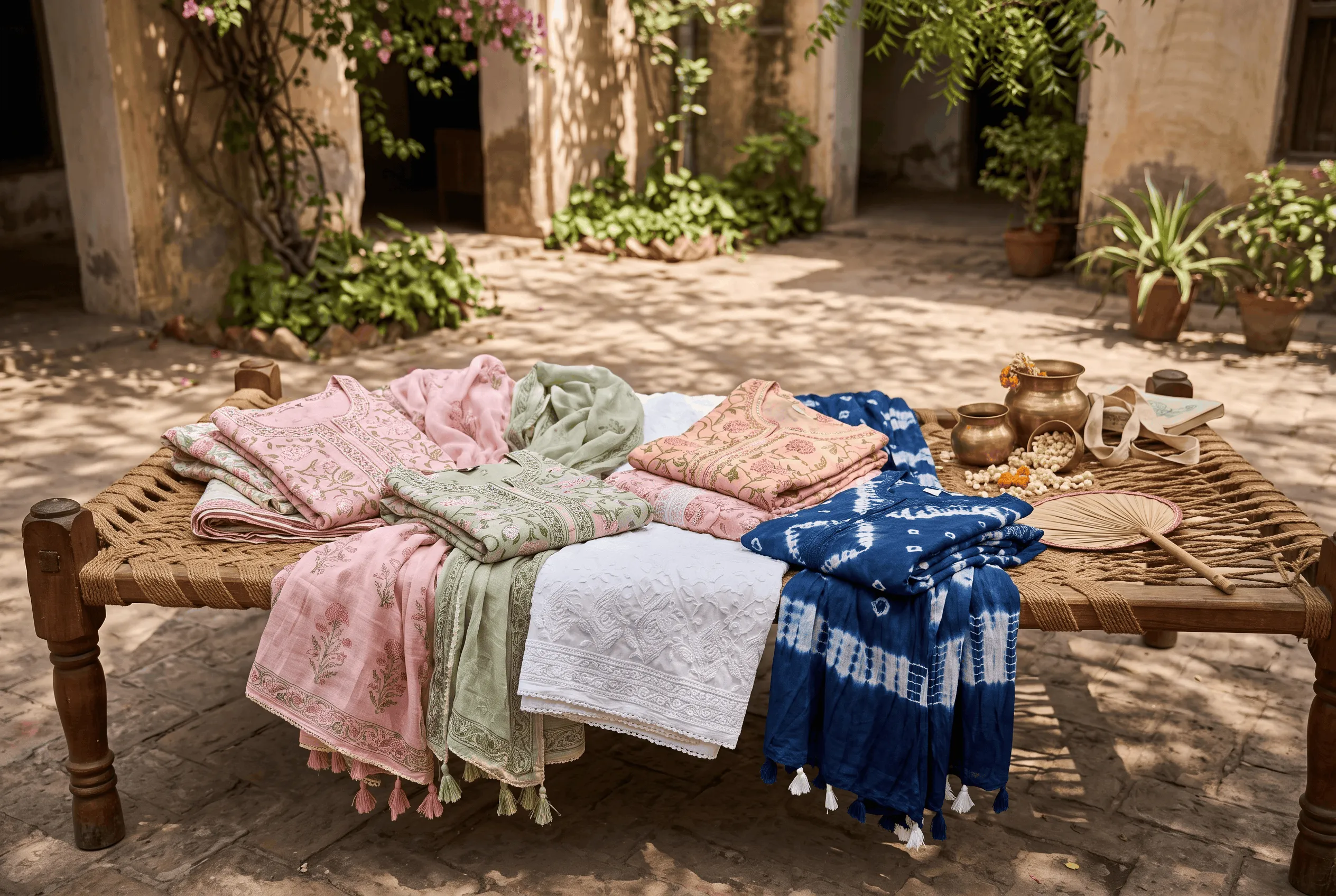
Block-printed mulmul kurtas in pastel florals, indigo and earthy tones are especially popular.
Because mulmul is semi-sheer, many kurtas come with a cotton lining or are worn with a slip.
Pair a mulmul kurta with cotton palazzos, straight pants or a flared skirt for an easy summer look.
Mulmul Sarees
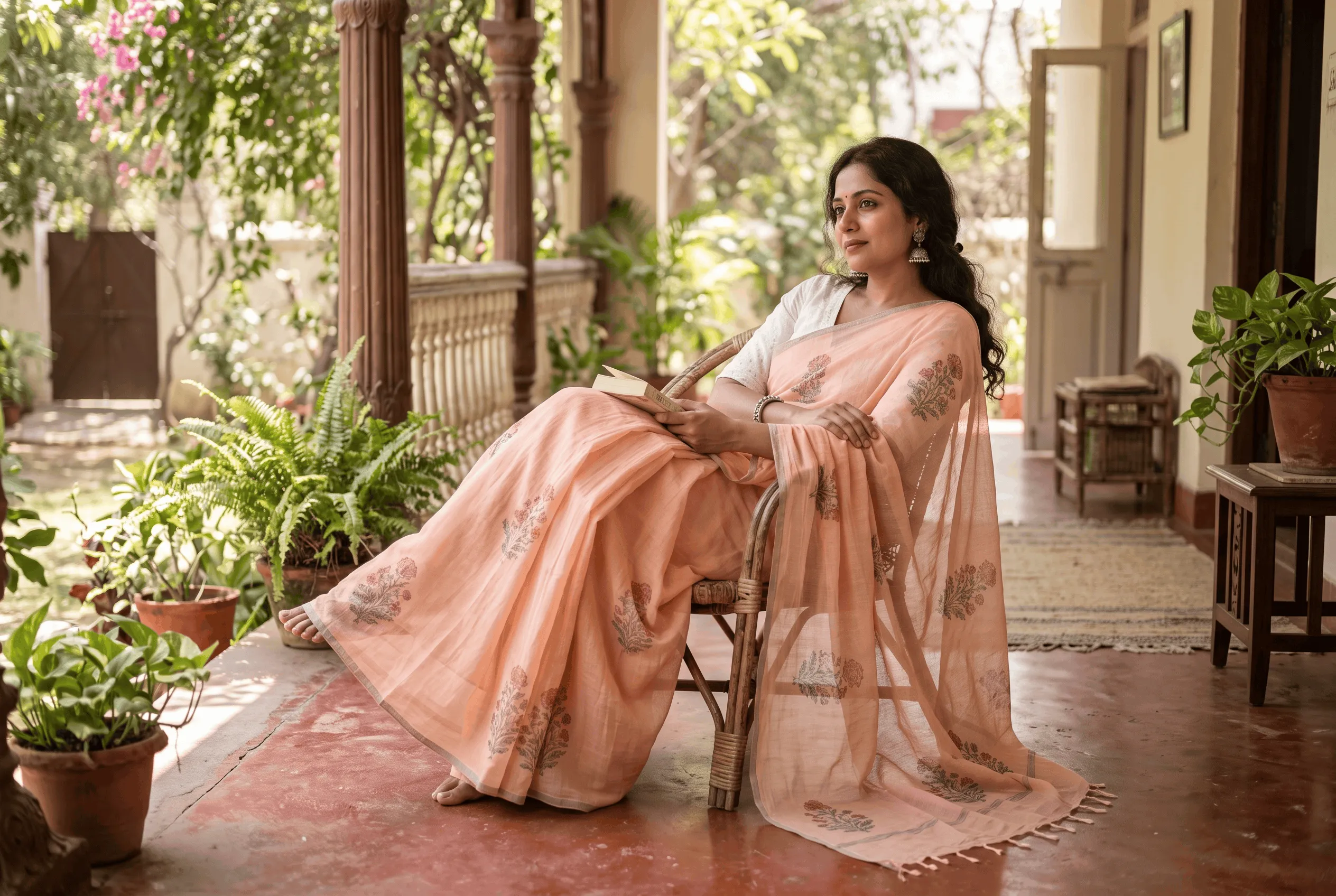
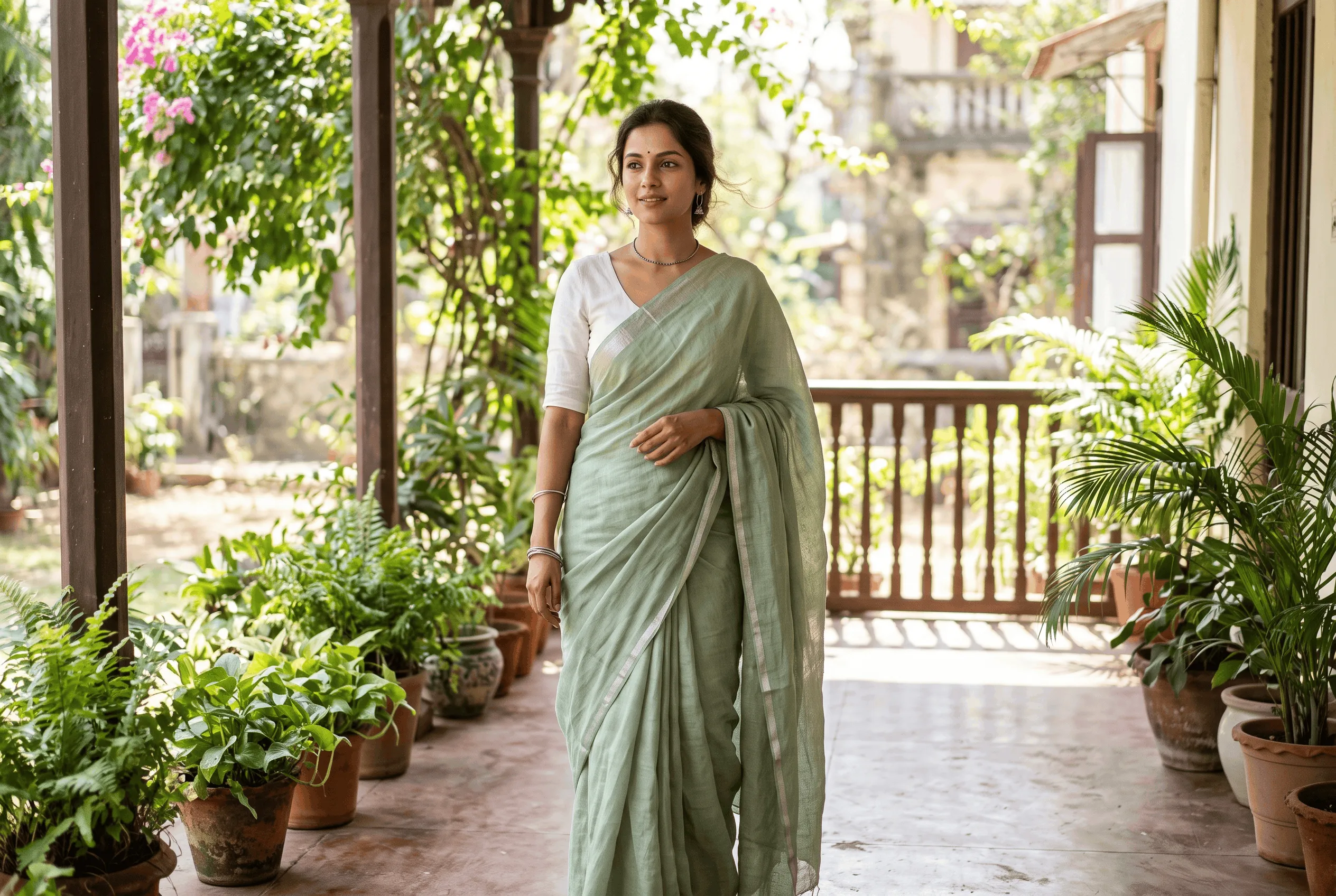
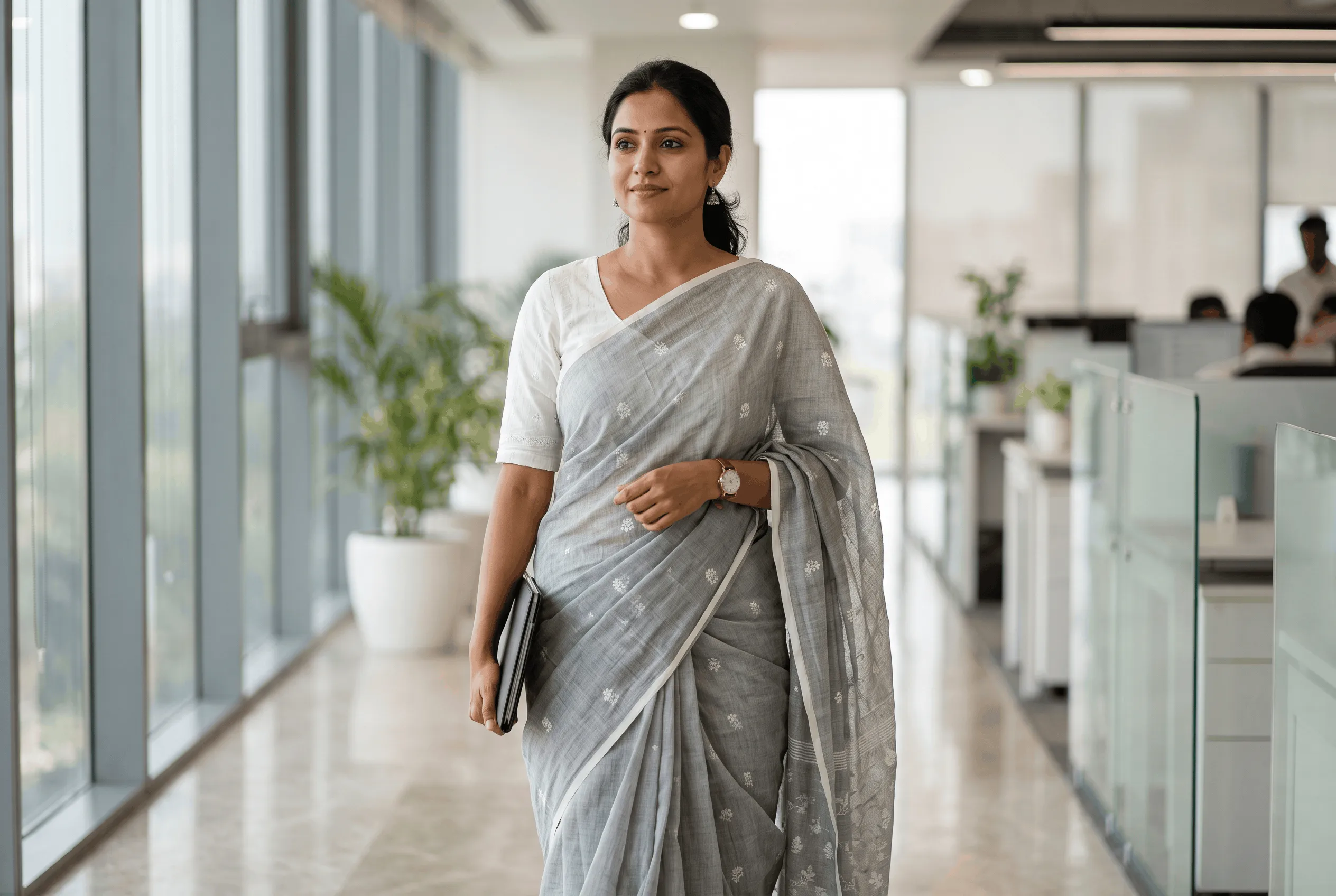
Mulmul sarees are among the lightest and most comfortable sarees you can wear.
They drape softly and feel almost weightless, which makes them ideal for summer days, home functions and casual outings.
Block-printed, tie-dyed and Chikankari mulmul sarees are popular choices.
For a crisper drape, choose a slightly heavier mulmul or starch it lightly.
Mulmul Dupattas
A mulmul dupatta adds a soft, floaty finish to almost any outfit.
It is light enough to wear all day in summer and drapes beautifully over kurtas and suits.
Tie-dyed, block-printed and embroidered mulmul dupattas are easy ways to add colour to plain outfits.
Mulmul for Babies and Children
Because it is so soft and breathable, mulmul is widely used for baby clothes, swaddles and children's summer wear.
It is gentle on delicate skin and keeps little ones cool in hot weather.
Choose pre-washed, natural mulmul without harsh dyes for babies.
Mulmul for Nightwear and Loungewear
Mulmul is a favourite for nightwear and loungewear in Indian summers.
Mulmul kaftans, pyjama sets and nightdresses are light, cool and comfortable for sleeping in the heat.
Chikankari on Mulmul
Mulmul is one of the classic base fabrics for Lucknowi Chikankari.
The fine fabric shows off delicate shadow work and intricate stitches beautifully.
Chikankari mulmul kurtas and sarees are elegant, breathable choices for summer weddings and daytime events.
Read our guide to Chikankari embroidery for more.
Block Prints and Tie-Dye on Mulmul
Mulmul takes block prints and dyes beautifully.
Hand-block prints in florals, paisleys and geometric patterns are classic choices.
Tie-dye and Leheriya give mulmul a playful, colourful look.
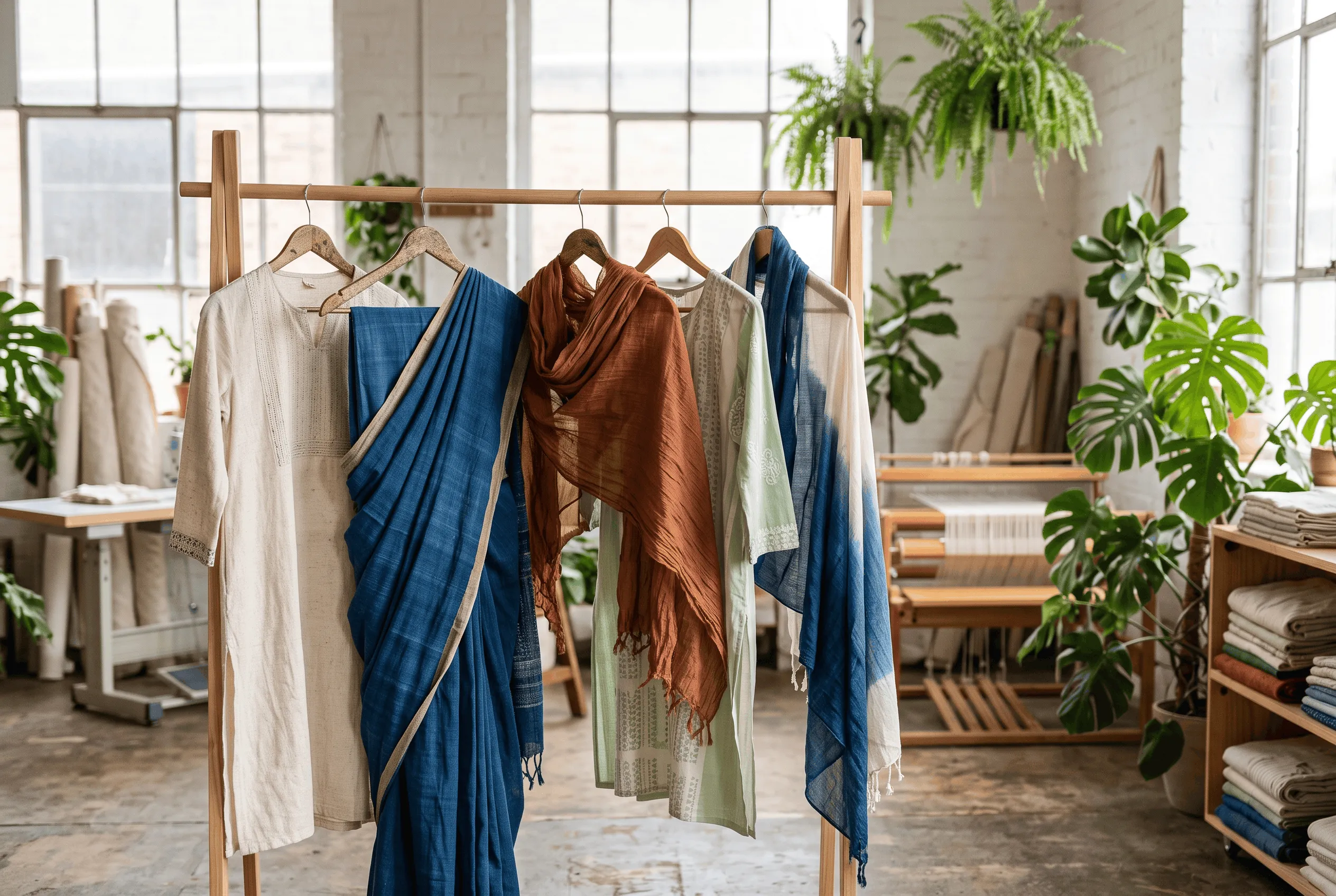
Natural dyes such as indigo create soft, earthy shades.
How to Style Mulmul
For everyday wear: a printed mulmul kurta with cotton palazzos and kolhapuris.
For office: a solid or subtly printed mulmul kurta with straight pants and a light jacket.
For summer festivals: a Chikankari mulmul suit with silver jewellery.
For travel: mulmul co-ord sets that pack small and keep you cool.
For home functions: a block-printed mulmul saree with a contrast blouse.
Colours That Suit Mulmul
Mulmul looks especially beautiful in soft, summery shades.
Pastels: blush, mint, powder blue, lilac and peach.
Whites and creams: classic, cool and elegant.
Indigo and earthy tones: relaxed and timeless.
Bright prints: cheerful for casual wear and festivals.
Mulmul Through the Seasons
Summer: mulmul is at its best, keeping you cool and comfortable.
Monsoon: mulmul dries quickly, but choose darker prints that hide splashes.
Winter: layer mulmul kurtas under jackets or shawls, or use mulmul as a soft inner layer.
Festive season: Chikankari and embroidered mulmul work for daytime celebrations.
Mulmul for Office and Workwear
Mulmul is not only for home and holidays.
A well-cut mulmul kurta with a lining looks neat and professional, especially in solid colours, subtle stripes or small prints.
Pair it with straight cotton pants, a light linen or khadi jacket and minimal jewellery for a polished summer office look.
Mulmul's breathability is especially welcome on long working days in hot cities, where heavier fabrics can feel uncomfortable by afternoon.
Keep a light mulmul stole at your desk for air-conditioned rooms.
How to Choose Good Quality Mulmul
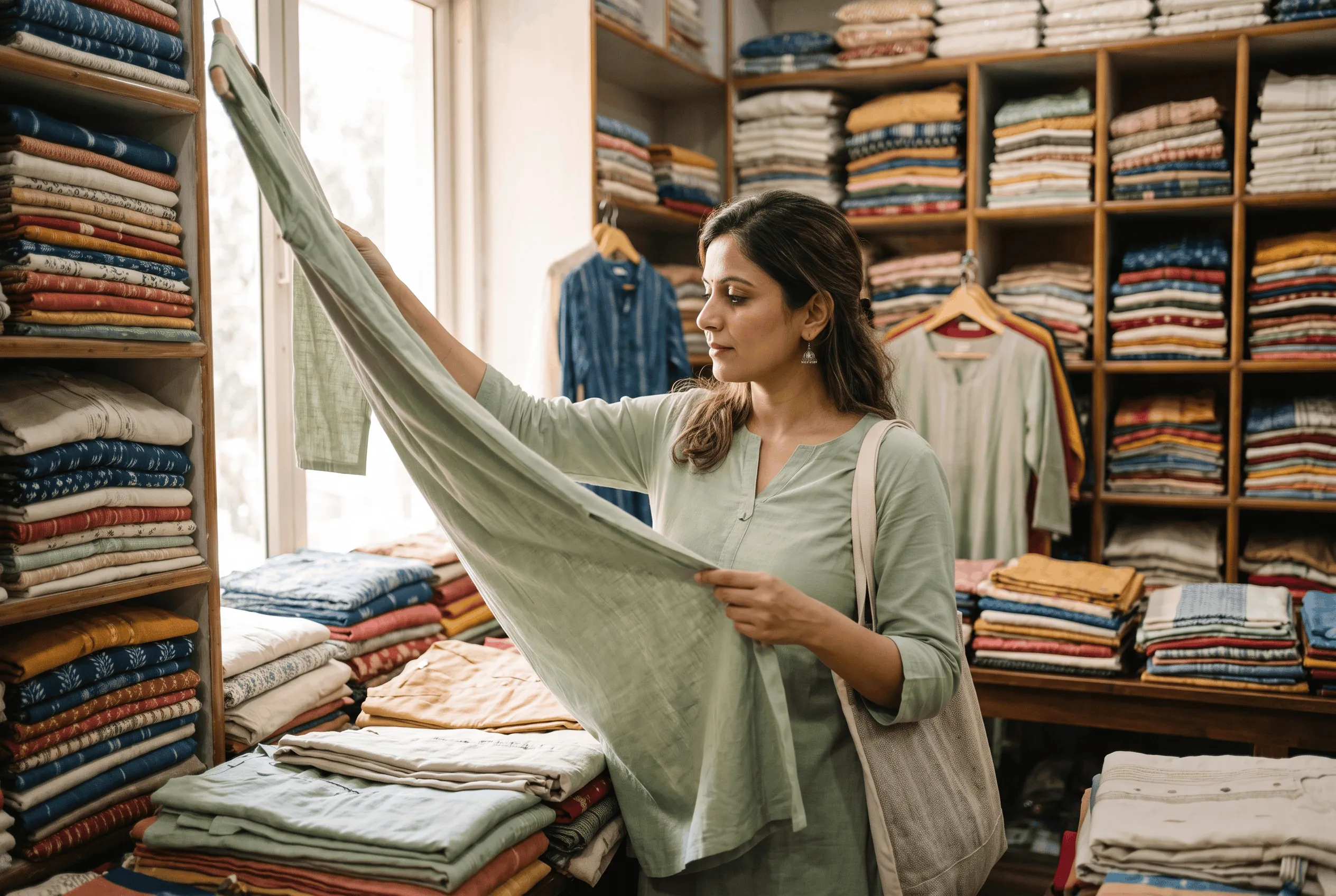
Feel the softness. Good mulmul feels smooth and gentle, not rough or stiff.
Check the weave. Look for an even, consistent weave without thin patches or holes.
Hold it to the light. Very sheer mulmul is delicate; slightly denser weaves last longer.
Check the print. Clear, even block prints and colours indicate better quality.
Ask about fibre. Pure cotton mulmul breathes better than blends with synthetics.
Check the lining. For kurtas and suits, a soft cotton lining adds comfort and coverage.
Price Guide
These are indicative 2026 ranges. Prices vary by city, seller, fineness and print.
| Item | Indicative price range |
|---|---|
| Mulmul fabric (per metre) | ₹150 – ₹400 |
| Mulmul dupatta | ₹400 – ₹1,500 |
| Printed mulmul kurta | ₹700 – ₹2,500 |
| Mulmul saree | ₹1,000 – ₹4,000 |
| Chikankari mulmul kurta | ₹1,500 – ₹5,000 |
| Mulmul nightwear set | ₹800 – ₹2,500 |
How to Care for Mulmul
Hand-wash or use a gentle cycle in cold water with mild detergent.
Wash separately at first, as printed and naturally dyed mulmul may bleed.
Do not wring. Gently squeeze out water to avoid stretching the fine weave.
Dry in the shade, inside out, to protect colours.
Iron on low to medium heat while slightly damp.
Expect a little shrinkage in the first wash.
Store folded loosely in a cool, dry place.
Building a Mulmul Summer Wardrobe
Three printed mulmul kurtas for daily wear.
One Chikankari mulmul suit for summer events.
Two mulmul dupattas in solid and printed shades.
One mulmul saree for home functions and outings.
One mulmul nightwear set for comfortable summer nights.
Mulmul and Sustainability
Mulmul is a natural cotton fabric, which is biodegradable and comfortable.
Choosing handloom mulmul and naturally dyed prints supports artisans and reduces reliance on synthetic fabrics.
Because good mulmul softens with time, well-cared-for pieces last for many summers.
Old mulmul kurtas and dupattas can also be reused as soft cleaning cloths, quilt layers or children's clothes, giving the fabric a long second life instead of ending up as waste.
Common Mistakes With Mulmul
Washing mulmul in hot water and causing shrinkage is the most common mistake.
Another is wringing it, which can stretch and damage the fine weave.
Some people also choose very sheer mulmul without a lining for outdoor wear.
Finally, avoid drying bright prints in direct sunlight, which fades colours.
Mulmul for Different Body Types
Petite women look lovely in mulmul kurtas with small prints and straight cuts.
Curvy women enjoy mulmul's soft drape, especially in A-line kurtas and flowing sarees.
Tall women carry long, flowing mulmul kurtas and bold prints beautifully.
Mulmul as a Gift
Mulmul kurtas, dupattas and baby swaddles make thoughtful, practical gifts.
They suit almost everyone and are especially welcome during the summer months.
Why Mulmul Is an Everyday Essential
Mulmul cotton offers unmatched softness, lightness and breathability, which makes it perfect for Indian summers.
From breezy kurtas and floaty dupattas to gentle baby clothes and comfortable nightwear, it brings comfort to everyday life.
Choose good-quality mulmul, wash it gently and enjoy how it becomes softer with every wear.
Explore more cottons in our cotton sarees and suits guide and our pure cotton ethnic wear tips.
Supporting Mulmul Artisans
Handloom mulmul and hand-block prints depend on skilled weavers, printers and dyers.
Buying from cooperatives and artisan-led brands helps sustain these crafts and gives artisans a fair income.
Many block-printing clusters in Rajasthan, Gujarat and Madhya Pradesh use mulmul as a base fabric, so your purchase often supports several crafts at once.
Mulmul for Men
Mulmul is also popular for men's summer kurtas, shirts and pyjamas.
A white or pastel mulmul kurta is cool and comfortable for summer functions, pujas and casual outings.
Pair it with cotton pyjamas or churidars for a classic look.
Mixing Mulmul With Other Fabrics
A mulmul dupatta softens a structured cotton or Chanderi suit.
A mulmul kurta pairs well with a khadi or linen jacket on cooler evenings.
A mulmul inner layer under a sheer Chikankari or organza garment adds comfort and coverage.
These combinations let you enjoy mulmul's softness in many different looks.
Comments (0)
Leave a Thought
No comments yet. Be the first to share your thoughts!