Cotton is the most worn fabric in Indian ethnic wardrobes, but not all "cotton" is the same.
Labels such as "cotton feel", "cotton rich", "cotton blend" and "pure cotton" can mean very different things, and the difference shows up quickly in comfort, durability and how a garment looks after a few washes.
This guide to pure cotton ethnic wear is a practical buying guide.
It explains how to tell pure cotton from blends, how to judge fabric quality in a few seconds, what to check in stitching, prints and dyes, which cotton types suit which needs, what fair prices look like and how to make your cotton kurtas, suits and sarees last longer.
Whether you are shopping in a market, a mall or online, these tips will help you choose cotton ethnic wear that feels good on day one and still looks good after the twentieth wash.
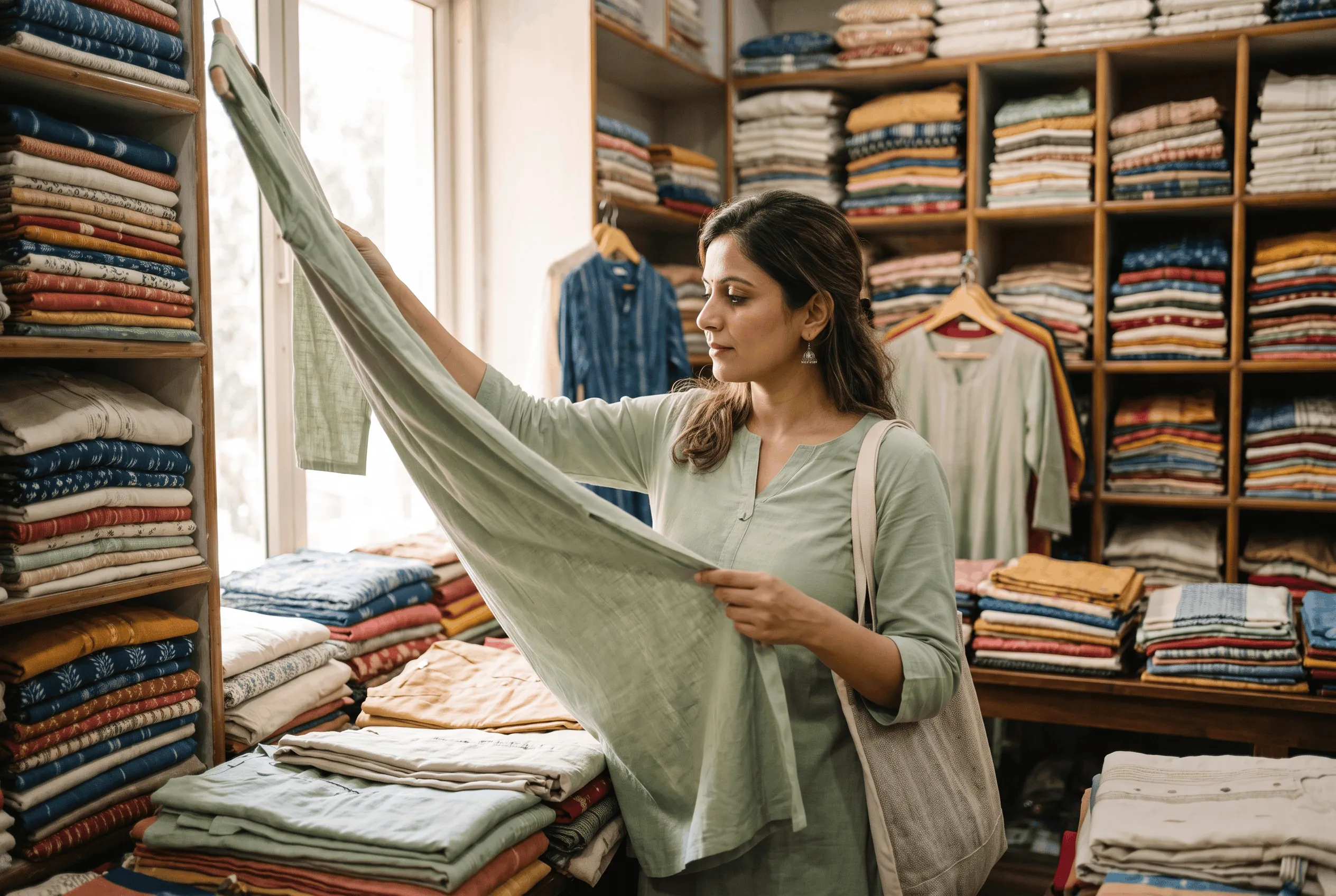
Why Pure Cotton Matters
Pure cotton breathes better than most blends, which makes a real difference in Indian summers.
It absorbs sweat, feels soft against the skin and is less likely to cause irritation.
It also ages well when cared for properly, becoming softer with every wash.
Blends with polyester or other synthetics can be cheaper and more crease-resistant, but they often feel warmer, trap sweat and pill over time.
For everyday ethnic wear in a hot climate, pure cotton is usually the more comfortable choice.
Understanding Cotton Labels
Pure cotton or 100% cotton means the fabric is made only from cotton fibres.
Cotton blend means cotton is mixed with another fibre, such as polyester, viscose or spandex. The label should state the percentages.
Cotton rich usually means cotton is the main fibre but not the only one.
Cotton feel or cotton touch often means the fabric only feels like cotton and may contain little or no cotton at all.
Cotton silk is a blend of cotton and silk, which adds sheen.
Always read the fibre content on the label, and ask the seller if it is not clear.
Quick In-Store Checks for Pure Cotton
Touch: pure cotton feels soft, natural and slightly matte. Synthetics often feel slippery or plasticky.
Crumple test: scrunch a corner in your hand for a few seconds. Pure cotton creases easily, while polyester blends spring back with few creases.
Breathability: hold the fabric close to your mouth and breathe through it. Pure cotton lets air pass easily.
Sheen: pure cotton has little shine unless mercerised or blended with silk.
Burn test (only on a loose thread of something you own): cotton burns like paper and leaves soft grey ash, while synthetics melt and form hard beads.
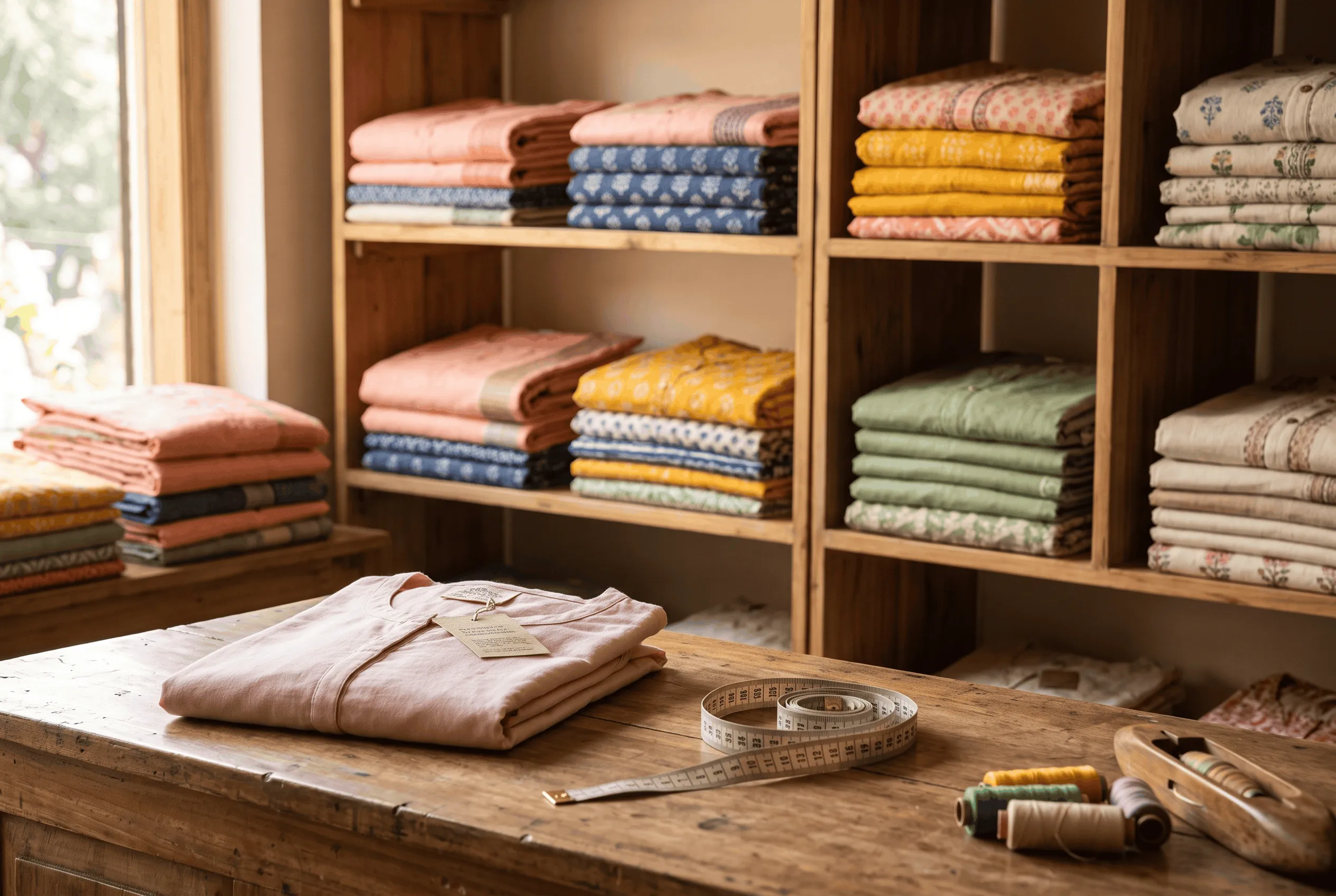
Types of Cotton You Will Find in Ethnic Wear
Mulmul is very soft, fine and airy, perfect for summer kurtas and dupattas. See our mulmul cotton guide.
Cambric is smooth, light and slightly crisp, common in everyday kurtas.
Voile is fine and semi-sheer, used for summer kurtas and dupattas.
Poplin is tightly woven, smooth and durable.
Handloom cotton has a slightly textured, irregular weave and is woven by hand. See our handloom cotton guide.
Khadi is hand-spun and hand-woven cotton with a natural texture. See our khadi fabric guide.
Organic cotton is grown without synthetic pesticides and fertilisers. See our organic cotton guide.
Matching Cotton Type to Your Needs
For hot summers, choose mulmul, voile or fine handloom cotton.
For office wear, choose cambric, poplin or crisp handloom cotton that holds its shape.
For daily home wear, choose soft, pre-washed cotton that is comfortable all day.
For festivals and family events, choose cotton silk, zari-bordered handloom or block-printed cotton.
For sensitive skin, choose organic or pure handloom cotton without harsh dyes.
Checking Fabric Quality
Thread density: hold the fabric to the light. A very thin, see-through weave may wear out quickly unless it is meant to be sheer.
Even weave: look for consistent threads without thin patches, knots or holes.
Weight: good cotton feels substantial for its type, not papery.
Softness: a slightly crisp feel is fine, but harsh stiffness may indicate heavy finishing that washes out.
Checking Prints and Dyes
Print clarity: clear, sharp block or screen prints with even colour show better quality.
Hand-block prints: small irregularities are normal and show the craft.
Colour fastness: ask whether the colour will bleed. Rub a damp white tissue on a hidden corner if allowed; heavy colour transfer is a warning sign.
Natural dyes: naturally dyed cotton often fades gently over time, which many people love.
Checking Stitching and Finishing
Seams: look for straight, even stitches without loose threads.
Seam allowance: extra fabric at the side seams allows for alterations.
Lining: a cotton lining in sheer kurtas adds comfort and coverage.
Necklines and hems: check for neat finishing and no puckering.
Buttons and hooks: make sure they are firmly attached.
Shrinkage: What to Expect
Pure cotton can shrink, especially in the first wash.
Ask whether the fabric is pre-shrunk or pre-washed.
If buying fabric for stitching, wash it before tailoring.
If buying ready-made, consider choosing a slightly relaxed fit, and always wash in cold water.
Buying Cotton Sarees
Look for handloom cotton sarees with neatly integrated borders and pallus.
Check that the saree is the full length you need, usually around 5.5 to 6.3 metres, with or without a blouse piece.
Starch-friendly cottons such as tant, Kota Doria and Mangalagiri hold pleats well.
See our cotton sarees and suits guide for regional varieties.
Buying Cotton Kurtas and Suits
Check the fit at the shoulders and chest first, as these are the hardest areas to alter.
Look for kurtas with side slits that allow easy movement.
Choose lined kurtas if the fabric is sheer.
For suits, check that the dupatta and bottoms are also pure cotton if comfort matters to you.
Questions to Ask Before You Buy
Is this 100% cotton, or a blend? If a blend, what percentage is cotton?
Is the fabric pre-washed or pre-shrunk?
Is it handloom, mill-made or hand-block printed?
Are the dyes natural or synthetic, and will they bleed?
Is there extra seam allowance for alterations?
A good seller will answer these clearly, and the answers will tell you a great deal about the garment's quality.
Buying Cotton Online
Read the fibre content carefully and avoid listings that only say "cotton feel".
Check the size chart and measure a garment that fits you well.
Look for close-up photographs of the fabric and stitching.
Read reviews that mention shrinkage, colour fastness and fabric feel.
Choose sellers with clear return and exchange policies.
Price Guide
These are indicative 2026 ranges. Prices vary by city, seller, fabric and workmanship.
| Item | Indicative price range |
|---|---|
| Pure cotton printed kurta | ₹600 – ₹2,500 |
| Handloom cotton kurta | ₹1,000 – ₹3,500 |
| Pure cotton suit set | ₹1,000 – ₹4,500 |
| Handloom cotton saree | ₹1,000 – ₹5,000 |
| Block-printed cotton saree | ₹1,200 – ₹4,500 |
| Cotton fabric (per metre) | ₹120 – ₹500 |
Care Tips That Make Cotton Last Longer
Wash in cold water with mild detergent to reduce shrinkage and fading.
Wash dark and printed cotton separately, especially in the first few washes.
Turn garments inside out before washing and drying.
Dry in the shade to protect colours.
Iron while slightly damp on medium heat.
Avoid bleach on coloured cotton.
Store folded in a dry, ventilated place.
Common Buying Mistakes
Trusting "cotton feel" labels without checking fibre content is the most common mistake.
Another is buying a tight fit without allowing for shrinkage.
Some people also choose very thin, cheap cotton that loses shape after a few washes.
Finally, washing bright cotton with whites can ruin both.
Building a Pure Cotton Ethnic Wardrobe
Four cotton kurtas in versatile colours for daily wear.
Two cotton suit sets for office and outings.
Two handloom cotton sarees for work and family events.
Two cotton dupattas to mix and match.
With good-quality pure cotton and simple care, this wardrobe will serve you well for years, and you can add festive cotton silk or block-printed pieces gradually.
Supporting Cotton Artisans
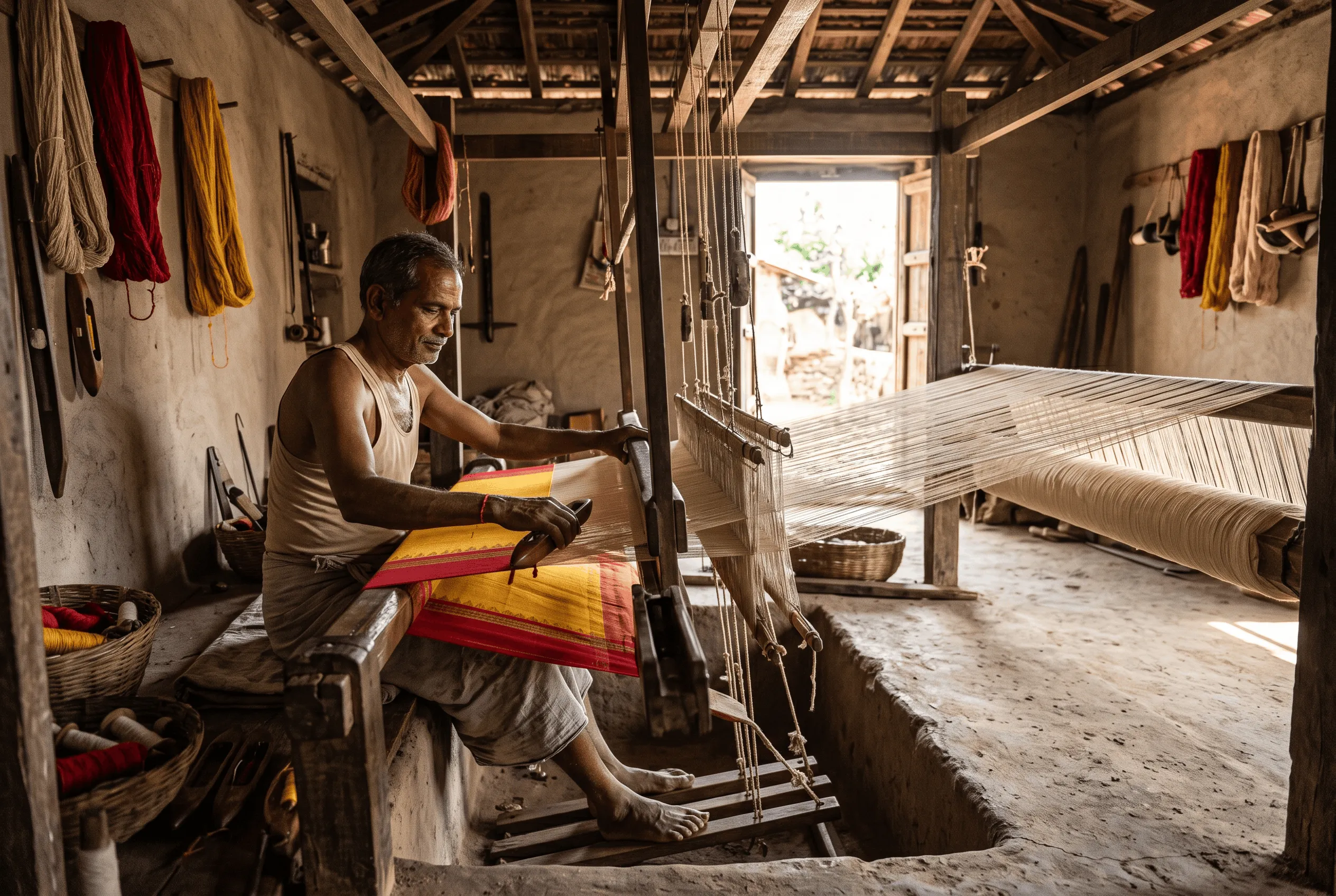
Handloom cotton and hand-block prints support weavers, printers and dyers across India.
Buying from cooperatives, handloom stores and artisan-led brands helps sustain these crafts and gives artisans fair income.
Why Pure Cotton Is Worth Choosing
Pure cotton ethnic wear offers comfort, breathability and natural softness that blends rarely match.
By reading labels, checking fabric and stitching and caring for garments properly, you can build a cotton wardrobe that stays comfortable and beautiful wash after wash.
Explore more natural fabrics in our linen ethnic wear guide and the traditional wear trends 2026 guide.
Pure Cotton for Children and Sensitive Skin
Pure cotton is especially important for children, older family members and anyone with sensitive skin.
Soft, breathable cotton reduces the risk of rashes and heat discomfort in summer.
Choose pre-washed cotton with simple prints and avoid harsh synthetic dyes for little ones.
For festive occasions, cotton silk or lined cotton lehengas keep children comfortable while still looking special.
Seasonal Cotton Buying
The best time to buy summer cotton is late winter and early spring, when new collections arrive and stocks are full.
Festival sales are good for block-printed sets and handloom sarees.
End-of-season sales often offer good value on basics such as plain kurtas and dupattas.
Buying ahead of the season means you can wash and pre-shrink garments before you need them.
Comments (0)
Leave a Thought
No comments yet. Be the first to share your thoughts!