Bamboo fabric has become one of the most talked-about materials in sustainable fashion.
It is marketed as soft, breathable, silky and eco-friendly, and it now appears in kurtas, sarees, dupattas, baby clothes, innerwear and loungewear across India.
But bamboo fabric is also surrounded by confusing claims.
This guide to bamboo fabric in Indian fashion explains how bamboo becomes fabric, the different types of bamboo textiles, what is genuinely good about them, which claims to question, how bamboo compares with cotton and linen, how to choose and style bamboo ethnic wear, what it costs and how to care for it.
The goal is not to sell you bamboo, but to help you understand it, so you can decide whether it suits your wardrobe and values.
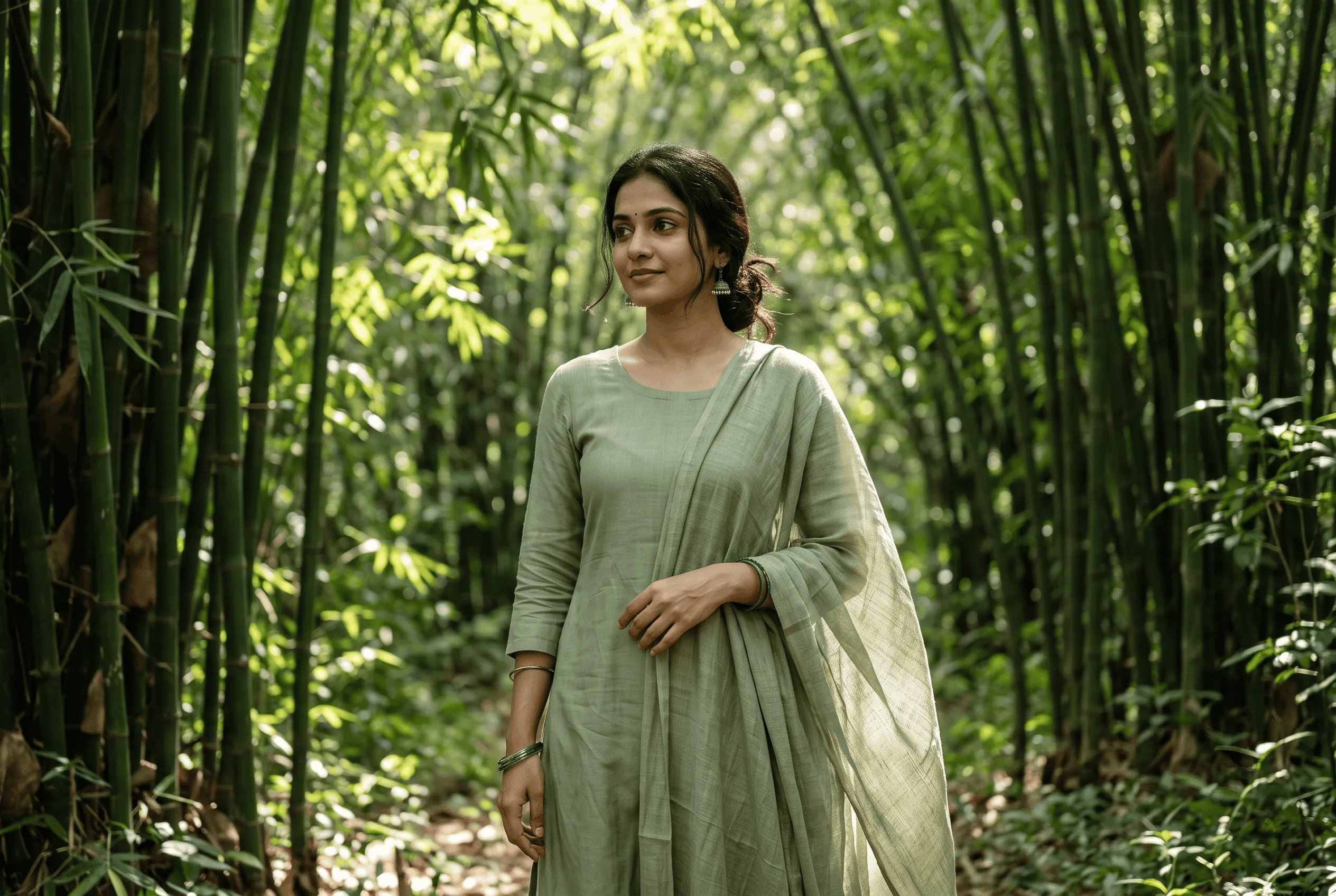
How Bamboo Becomes Fabric
Bamboo is a fast-growing plant that generally needs relatively little irrigation and is often grown without heavy pesticide use.
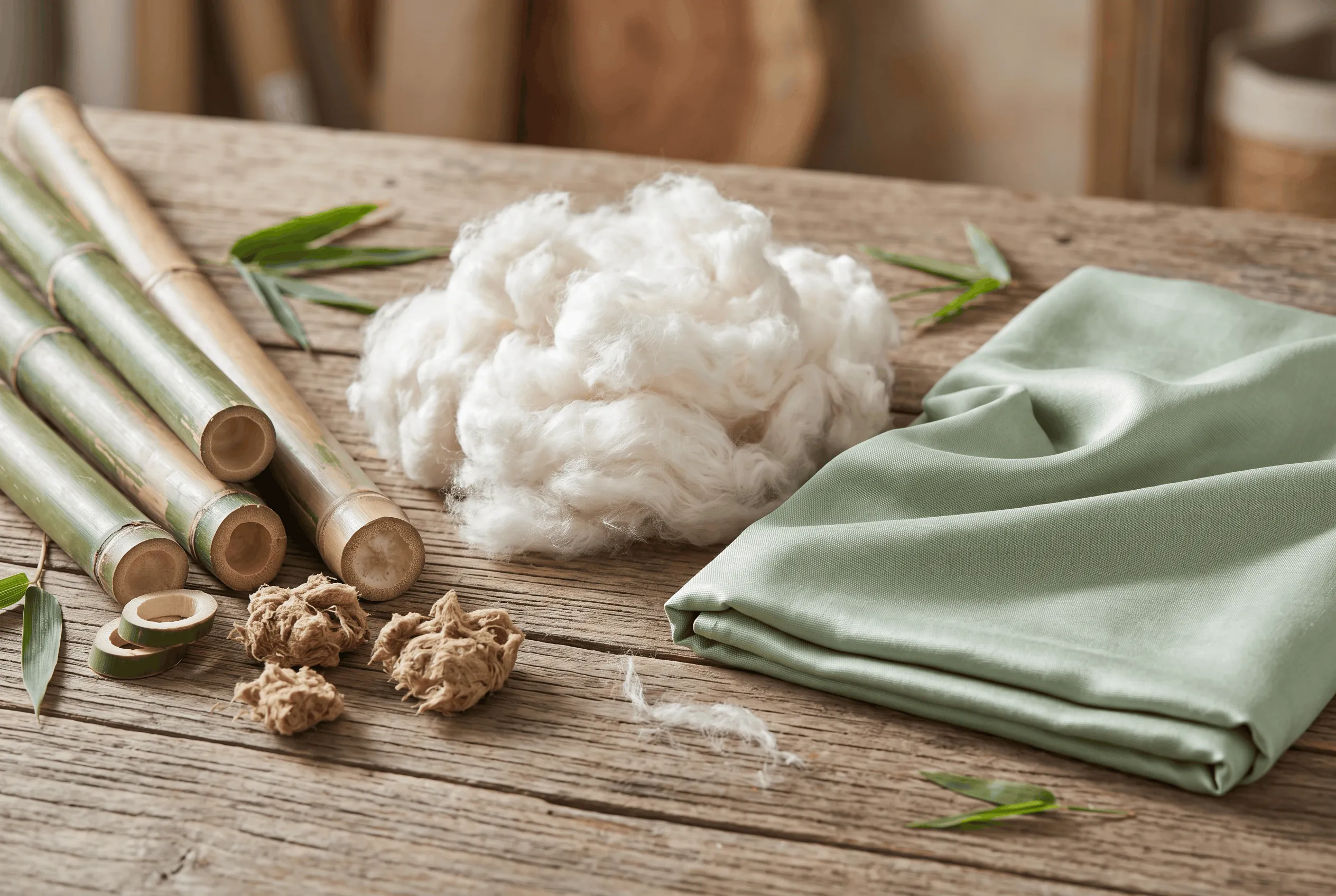
However, bamboo stalks cannot simply be spun into thread like cotton. They must be processed, and the method makes a big difference.
Bamboo viscose (rayon): the most common type. Bamboo pulp is dissolved using chemicals and then regenerated into fibres. The result is soft and silky, but the process can be chemically intensive if not well managed.
Bamboo lyocell: made with a process designed to recycle most of the solvent used, which is generally considered more environmentally responsible than conventional viscose.
Mechanically processed bamboo (sometimes called bamboo linen): made by crushing the plant and using natural processes, similar to linen. It is rarer, coarser and more expensive.
Most bamboo clothing in the market is bamboo viscose, often blended with cotton or other fibres.
What Is Genuinely Good About Bamboo Fabric
Softness: bamboo viscose feels very smooth and silky against the skin.
Drape: it falls fluidly, which suits kurtas, dresses, dupattas and sarees.
Breathability: bamboo fabrics are generally breathable and comfortable in warm weather.
Moisture management: many bamboo fabrics absorb moisture well, which helps in humid conditions.
Comfort for sensitive skin: its smoothness makes it pleasant for many people with sensitive skin.
Claims to Question
"Naturally antibacterial": the bamboo plant may have natural properties, but these are often reduced or lost when bamboo is processed into viscose. Treat strong antibacterial claims with caution unless they are backed by evidence.
"100% natural": bamboo viscose is a regenerated fibre made through chemical processing, so it is not "natural" in the same sense as cotton or linen.
"Completely eco-friendly": the bamboo plant may be sustainable, but the impact of the fabric depends heavily on processing, chemical management and factory practices.
"Organic bamboo": this may refer to how the plant was grown, not how the fabric was processed.
Look for clear information about the processing method and any recognised certifications.
Bamboo vs Cotton vs Linen
Feel: bamboo viscose is silkier and smoother than cotton, while linen is crisp and textured.
Drape: bamboo flows softly, cotton is moderate and linen is structured.
Breathability: all three breathe well, with linen often feeling coolest in extreme heat.
Creasing: bamboo creases less than linen and often less than cotton.
Durability: good cotton and linen are often more durable; bamboo viscose can pill or weaken if washed roughly.
Environmental impact: depends on farming and processing for all three. Organic cotton and linen are well-established sustainable choices, while bamboo depends heavily on processing.
See our linen ethnic wear guide and organic cotton clothing guide.
Bamboo in Indian Ethnic Wear
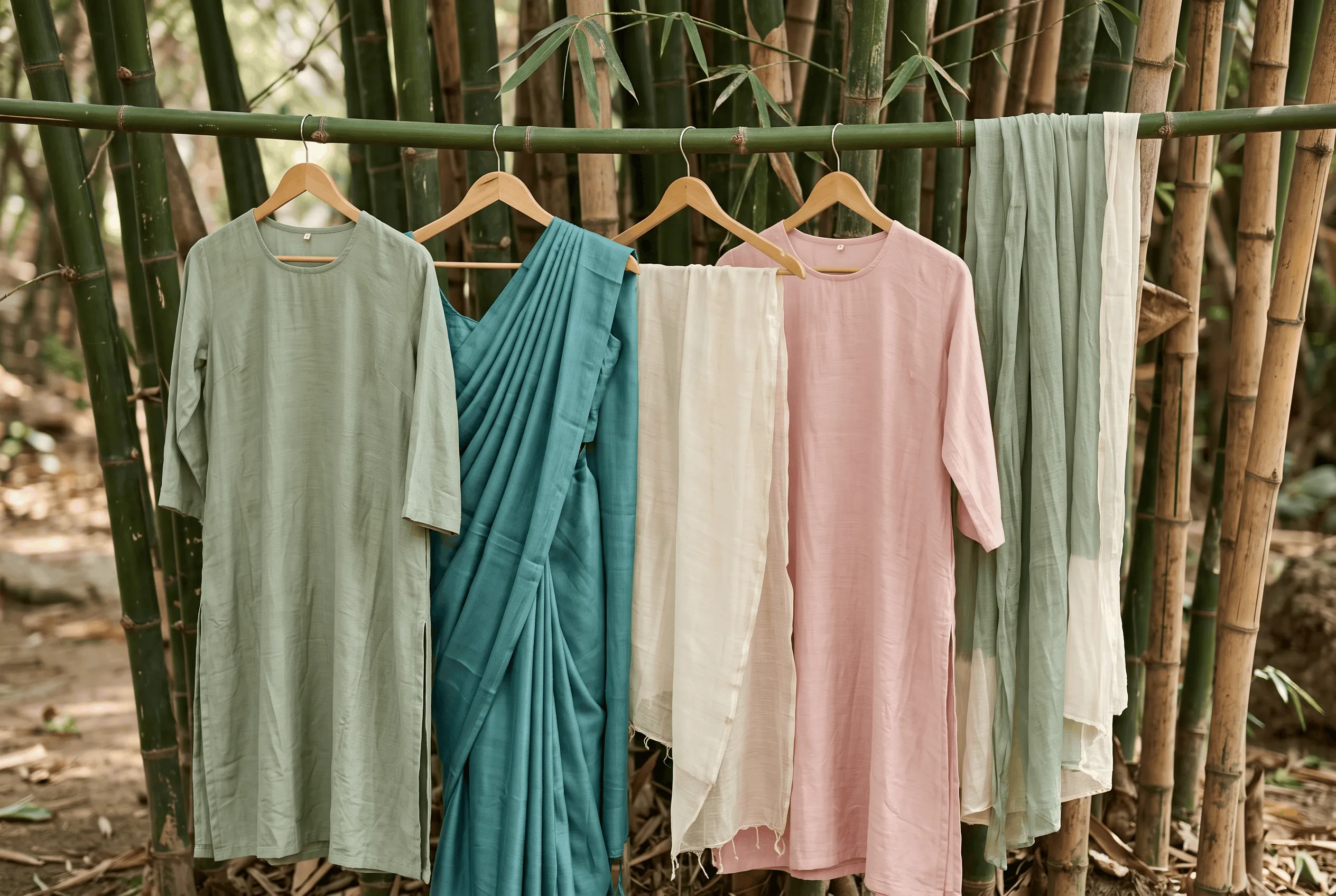
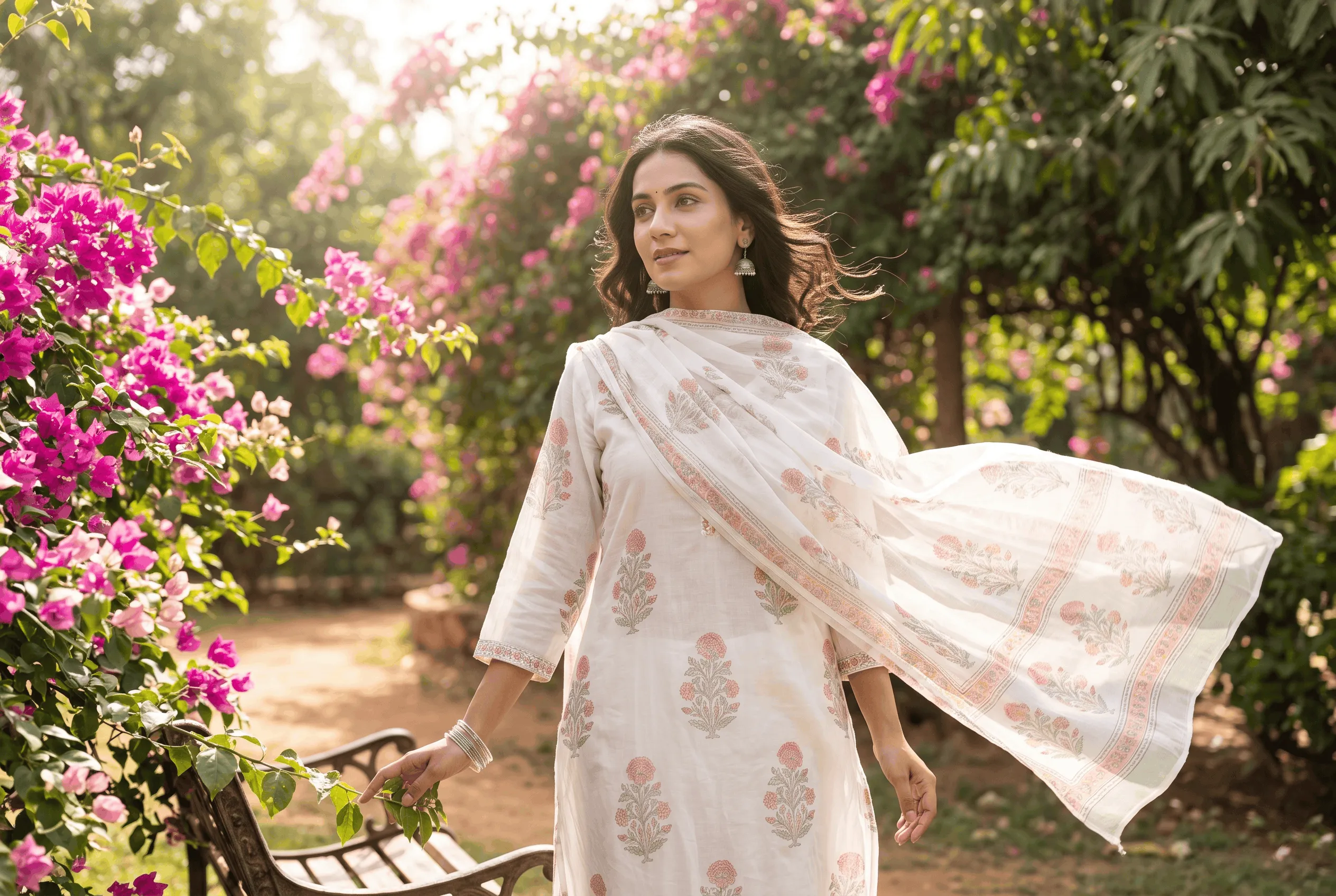
Kurtas and suits: bamboo and bamboo-cotton kurtas are soft, drapey and comfortable for daily wear and office.
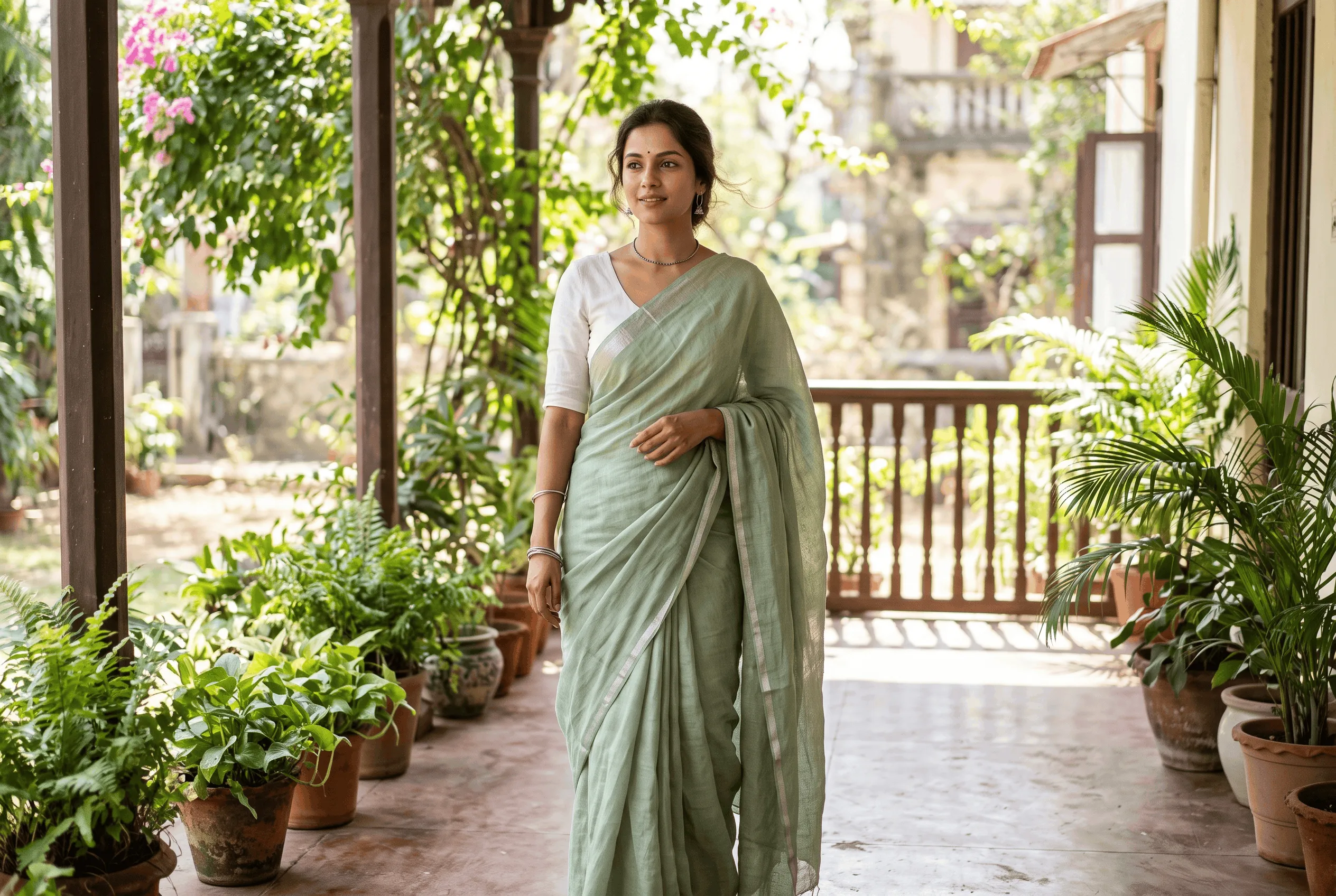
Sarees: bamboo silk and bamboo-cotton sarees offer a soft, flowing drape with a gentle sheen.
Dupattas and stoles: bamboo dupattas are light and silky.
Baby clothes and loungewear: bamboo blends are popular for their softness.
Innerwear and socks: bamboo blends are widely used in basics.
How to Style Bamboo Ethnic Wear
Office: a solid bamboo-cotton kurta with straight pants and a light jacket.
Casual days: a printed bamboo kurta with palazzos and juttis.
Festive daywear: a bamboo silk saree with a contrast blouse and simple gold or silver jewellery.
Travel: bamboo co-ord sets that resist creases and feel comfortable on long journeys.
Colours and Prints on Bamboo Fabric
Bamboo viscose takes dyes well, so it is available in bright and soft colours alike.
Pastels, earthy tones and jewel shades all look rich on bamboo's smooth surface.
Prints appear crisp and vibrant, which makes bamboo kurtas popular for everyday wear.
How to Choose Good Bamboo Fabric
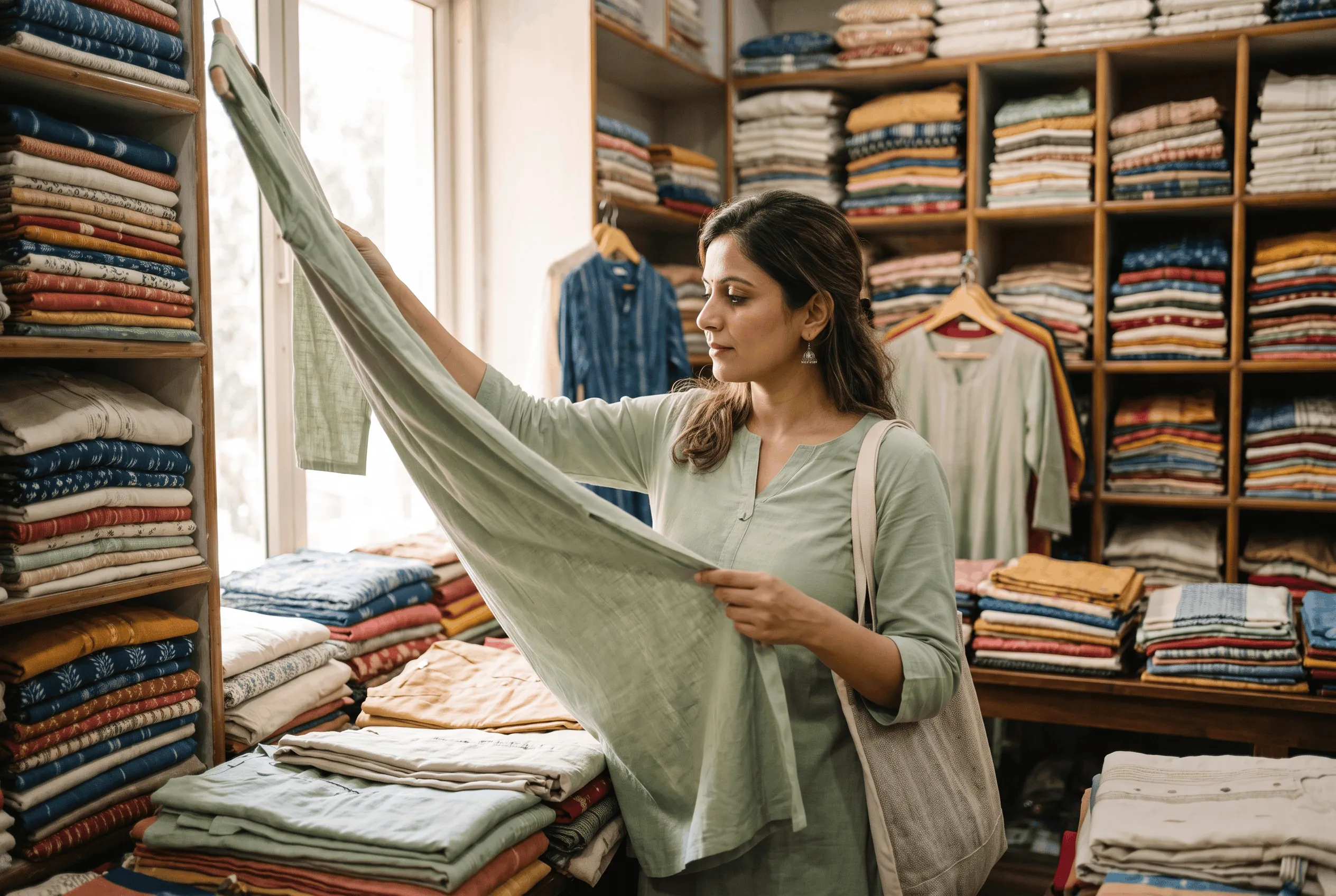
Read the label: check whether it is bamboo viscose, bamboo lyocell, bamboo linen or a blend, and note the percentages.
Ask about processing: brands that use more responsible processes usually share details.
Look for certifications: recognised textile and environmental certifications add credibility.
Feel the fabric: good bamboo fabric feels smooth, substantial and evenly woven or knitted.
Check reviews: look for comments about shrinkage, pilling and durability.
Price Guide
These are indicative 2026 ranges. Prices vary by brand, blend and processing.
| Item | Indicative price range |
|---|---|
| Bamboo-cotton kurta | ₹1,000 – ₹3,000 |
| Bamboo kurta set | ₹1,800 – ₹5,000 |
| Bamboo silk saree | ₹2,000 – ₹7,000 |
| Bamboo dupatta | ₹600 – ₹2,000 |
| Bamboo baby clothing set | ₹600 – ₹2,000 |
| Bamboo loungewear set | ₹1,200 – ₹3,500 |
How to Care for Bamboo Fabric
Wash in cold water on a gentle cycle or by hand.
Use mild detergent and avoid bleach.
Do not wring. Gently squeeze out water.
Dry flat or in the shade, as bamboo viscose can stretch or shrink with heat.
Iron on low heat if needed.
Avoid tumble drying unless the label allows it.
Gentle care helps bamboo fabric stay soft and reduces pilling. Washing bamboo inside a mesh laundry bag also protects it from friction against heavier clothes.
Bamboo and Sustainability: A Balanced View
Bamboo can be a good choice when it is responsibly processed, ideally through lyocell-type methods with good chemical management.
Conventional bamboo viscose is softer than many fabrics and comfortable to wear, but its environmental benefits depend on how it is made.
The most sustainable approach is to choose quality pieces, buy only what you need and care for them so they last.
Read our guide to sustainable handloom fashion for broader ideas.
Bamboo Crafts in India
India also has a long tradition of bamboo crafts that is quite separate from bamboo textiles.
In the North-East especially, artisans weave bamboo into baskets, mats, furniture, jewellery and decorative pieces.
These crafts use bamboo in its natural form and are a wonderful, low-impact way to bring bamboo into your life alongside or instead of bamboo clothing.
Bamboo jewellery and accessories pair beautifully with handloom cotton and khadi outfits.
Who Should Consider Bamboo Fabric?
Bamboo fabric suits people who want very soft, drapey, comfortable clothing for warm weather.
It can be a good option for loungewear, everyday kurtas and baby clothes.
People seeking the most transparent sustainability credentials may prefer organic cotton, linen or khadi, or bamboo lyocell from brands that disclose their processes.
Common Mistakes With Bamboo Fabric
Believing every "bamboo" label means a natural, chemical-free fabric is the most common mistake.
Another is washing bamboo in hot water and causing shrinkage.
Some buyers also expect bamboo to be as durable as heavy cotton or linen without gentle care.
Finally, avoid paying a premium for vague eco claims without details.
Bamboo Fabric for Different Seasons
Summer: bamboo's breathability and smoothness feel comfortable.
Monsoon: bamboo dries reasonably quickly, but handle it gently when wet.
Winter: bamboo layers well as a soft base under woollens and jackets.
Bamboo for Babies and Sensitive Skin
Bamboo blends are popular for baby clothes because of their softness.
Choose pieces with clear fibre labels, gentle dyes and soft, flat seams.
Pre-wash new items with a mild detergent before use.
Is Bamboo Right for Your Wardrobe?
Bamboo fabric in Indian fashion offers real comfort: softness, drape and breathability that many people love.
Its sustainability depends on how it is processed, so read labels, ask questions and choose transparent brands.
Used thoughtfully alongside cotton, linen and khadi, bamboo can be a comfortable part of a modern ethnic wardrobe.
Explore more fabrics in our cotton sarees and suits guide and the traditional wear trends 2026 guide.
Questions to Ask Before Buying Bamboo Clothing
Is this bamboo viscose, bamboo lyocell or bamboo linen?
What percentage of the fabric is bamboo, and what is it blended with?
How was the fabric processed, and does the brand share certification details?
How should it be washed, and does it shrink?
A brand that answers these questions clearly is usually more trustworthy than one that relies only on "eco" marketing.
Bamboo Blends in Ethnic Wear
Many ethnic wear pieces blend bamboo with cotton, silk or other fibres.
Bamboo-cotton combines bamboo's softness with cotton's structure and durability.
Bamboo silk often refers to a silky bamboo viscose or a blend used in sarees for a soft sheen.
Bamboo with spandex adds stretch for comfortable leggings and fitted kurtas.
Blends can offer the best of both fibres, but always check the label to understand what you are buying.
Building a Bamboo Capsule for Comfort
Two bamboo-cotton kurtas for everyday wear.
One bamboo kurta set for travel and casual outings.
One bamboo dupatta to soften cotton suits.
One bamboo loungewear set for home.
These pieces add softness and comfort without replacing your core cotton and handloom wardrobe.
Comments (0)
Leave a Thought
No comments yet. Be the first to share your thoughts!