Jamdani is often thought of as a special-occasion weave, the kind of saree you save for weddings and Durga Puja.
But cotton Jamdani is also one of the most elegant everyday fabrics you can wear.
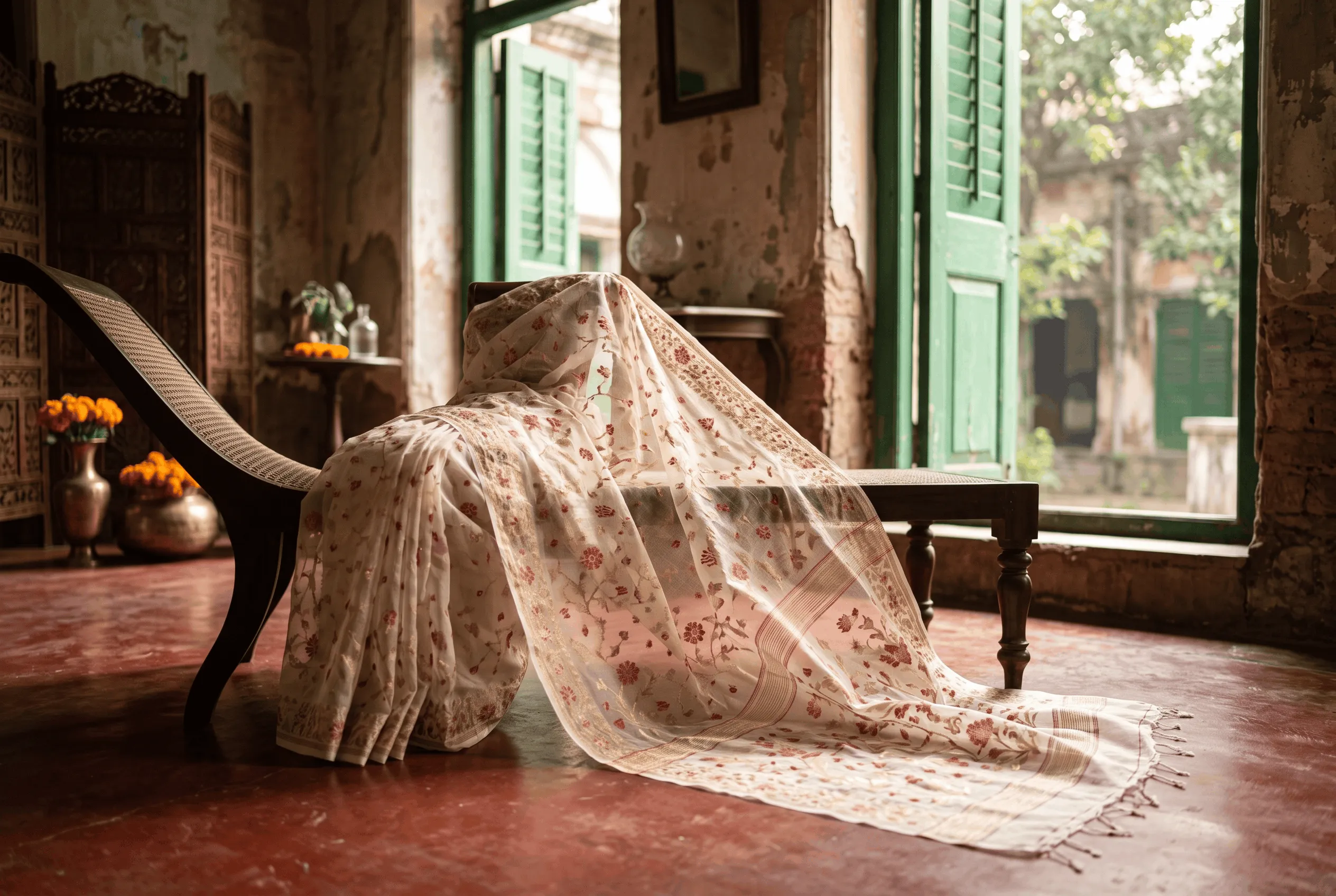
It is light, breathable and gently sheer, and its hand-woven motifs make even a simple office saree feel special.
This Jamdani cotton guide focuses on wearing Jamdani in daily life: for work, casual outings, summer events and family occasions.
It explains what makes cotton Jamdani comfortable, how to choose pieces for everyday use, how to style them for office and weekends, how to manage its sheerness, and most importantly, how to wash, starch and store cotton Jamdani so it lasts for years.
For the history of the weave and how to identify handwoven Jamdani, read our complete Jamdani saree guide.
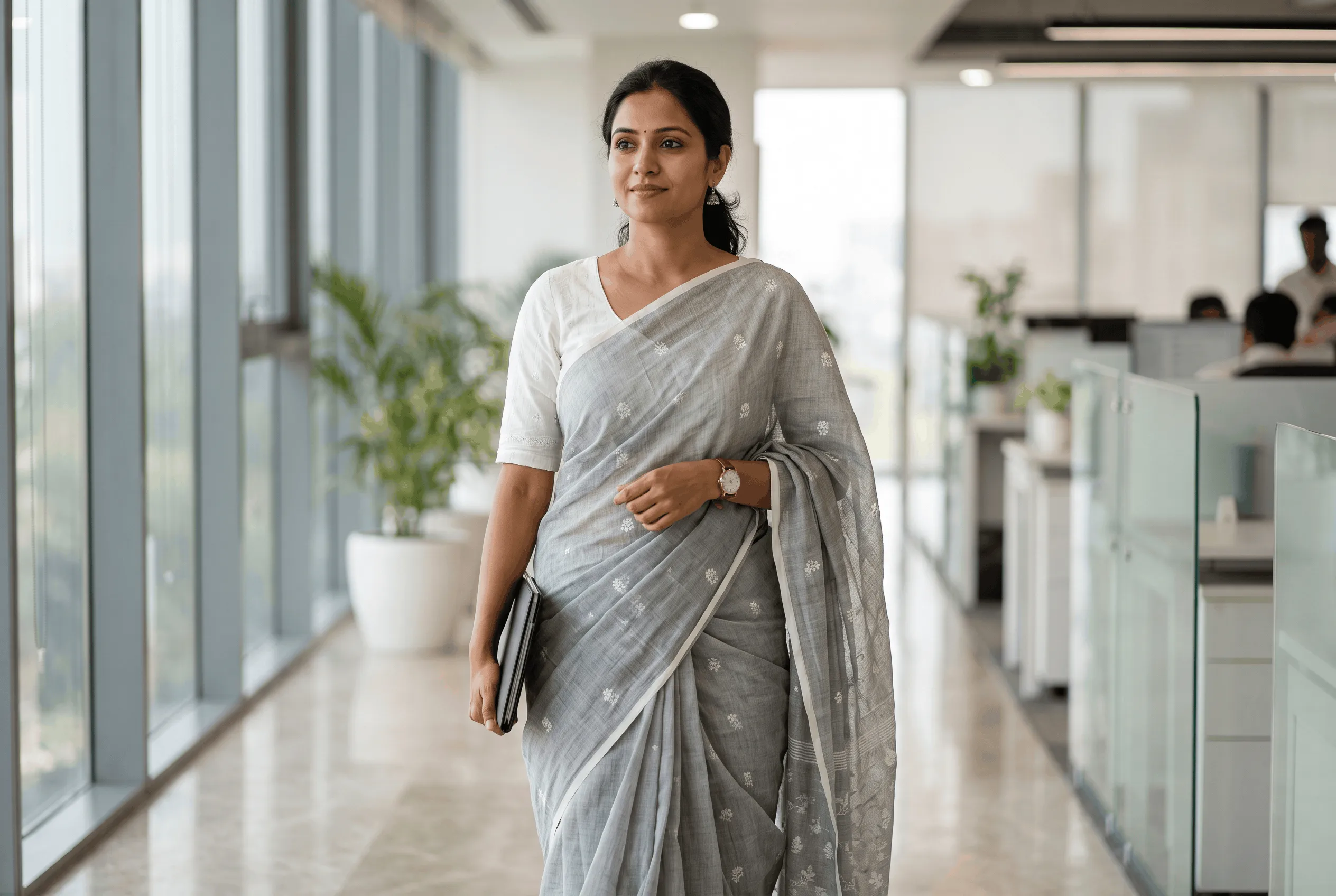
Why Cotton Jamdani Works for Everyday Wear
It is breathable. Fine cotton keeps you cool in hot and humid weather.
It is light. A cotton Jamdani saree weighs very little, which makes it comfortable for long days.
It looks refined. The woven motifs add elegance without heavy embellishment.
It is versatile. Cotton Jamdani can look professional, casual or festive depending on styling.
It supports handloom. Wearing Jamdani regularly helps sustain the weavers who keep this craft alive.
Choosing Cotton Jamdani for Daily Use
Not all Jamdani is ideal for everyday wear. Here is what to look for.
Motif density: sarees with scattered buttis or border-only motifs are lighter and easier to maintain than densely patterned pieces.
Fabric weight: slightly denser cotton Jamdani is more durable and less sheer than very fine Dhakai weaves.
Colours: mid-tones and darker shades hide marks better than pure white.
Borders: simple borders are easier to drape and look neat for office wear.
Price: everyday Jamdani does not need to be the most expensive. West Bengal handloom cotton Jamdani offers excellent value.
Cotton Jamdani for Office Wear
Cotton Jamdani is one of the most graceful choices for office sarees.
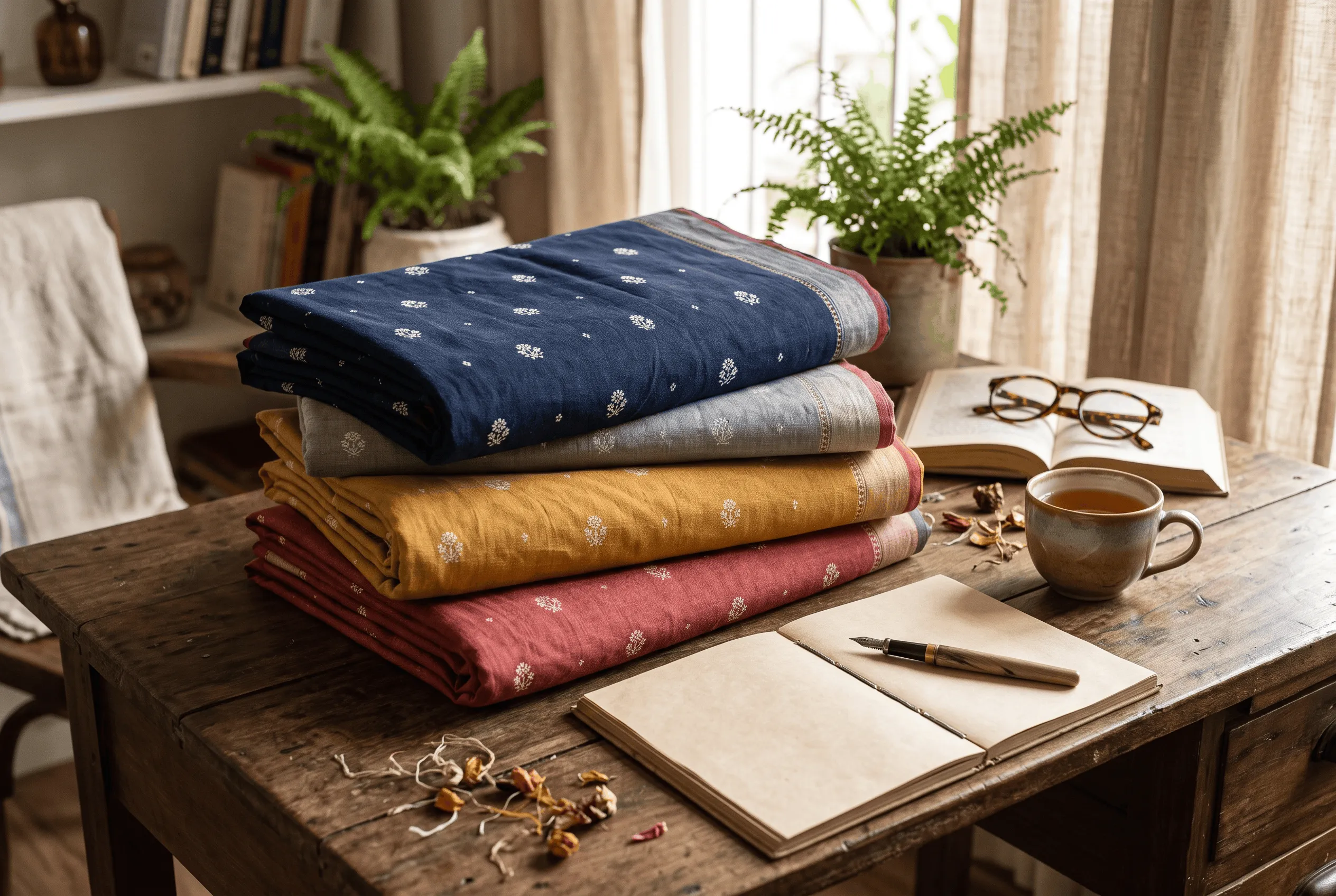
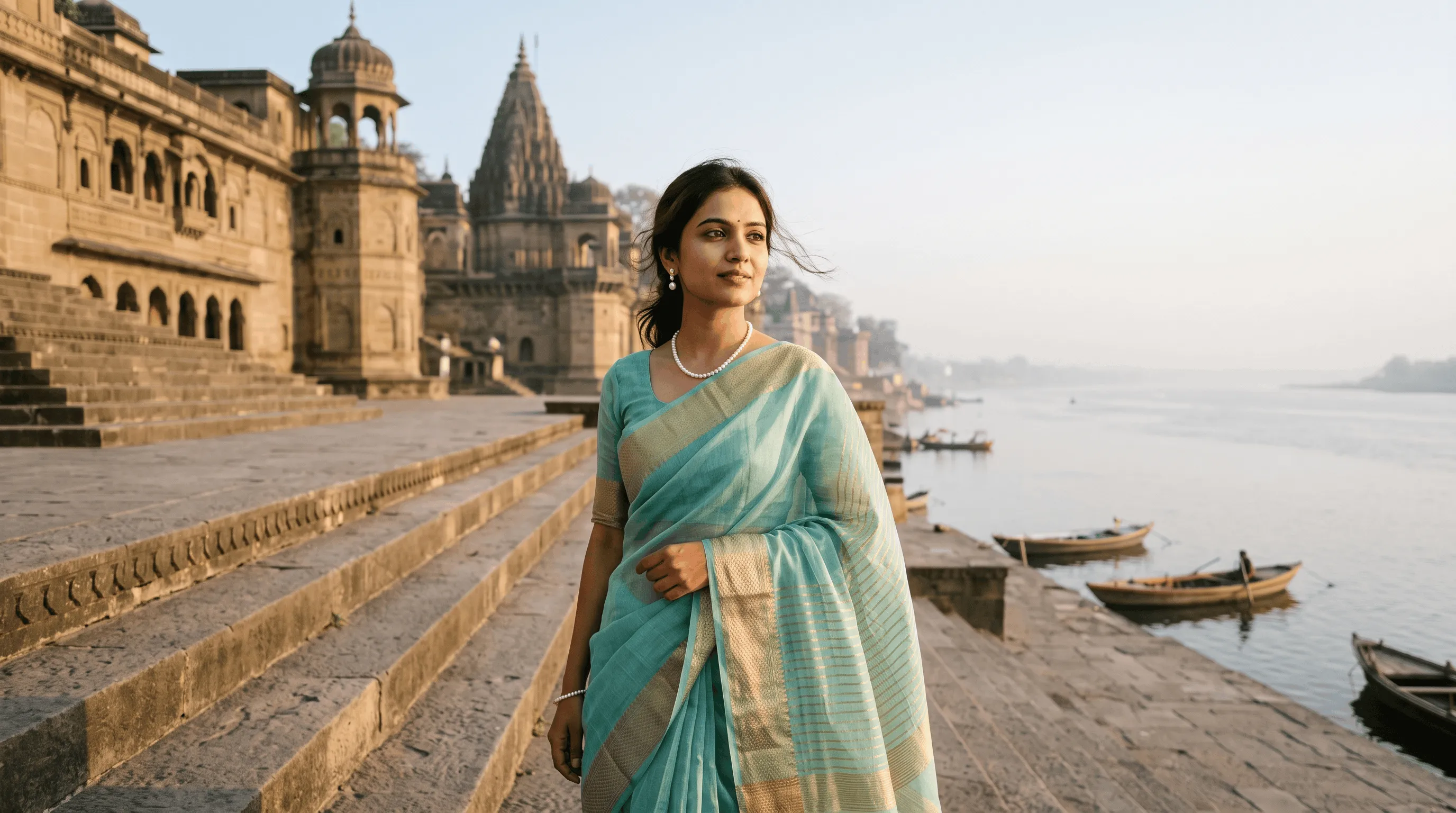
Colours: grey, navy, olive, maroon, mustard, teal, soft pastels and off-white with dark motifs look professional.
Motifs: small buttis, stripes or border-only designs suit work settings.
Blouses: structured cotton blouses with elbow or three-quarter sleeves, collared blouses and boat necks look polished.
Jewellery: small studs, a thin chain and a watch keep the look minimal.
Drape: a neat Nivi drape with a pinned pallu stays tidy throughout the day.

Cotton Jamdani for Weekends and Casual Outings
For weekends, cotton Jamdani can look relaxed and artistic.
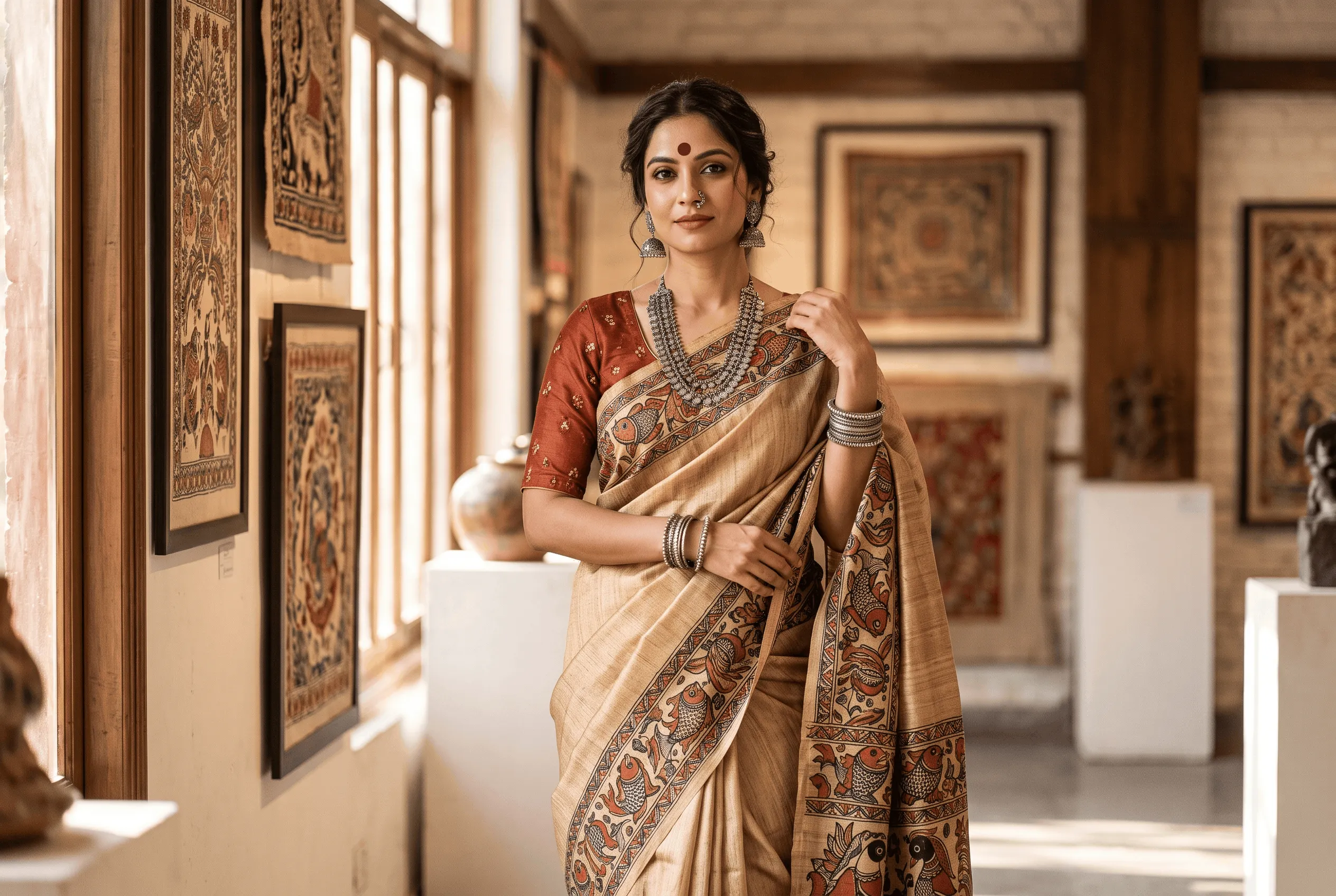
Pair it with a sleeveless or puff-sleeve cotton blouse, oxidised silver jewellery and kolhapuris.
Brighter colours such as red, yellow, pink and turquoise feel cheerful for brunches, museum visits and family outings.
A cloth tote and a large bindi complete a classic Bengali-inspired look.
Cotton Jamdani for Summer Events and Family Functions
Cotton Jamdani is perfect for daytime summer events, pujas and family gatherings.
Choose a Jamdani with slightly denser motifs or a contrast border for a dressier look.
Add a silk or brocade blouse and gold or kundan jewellery for festive occasions.
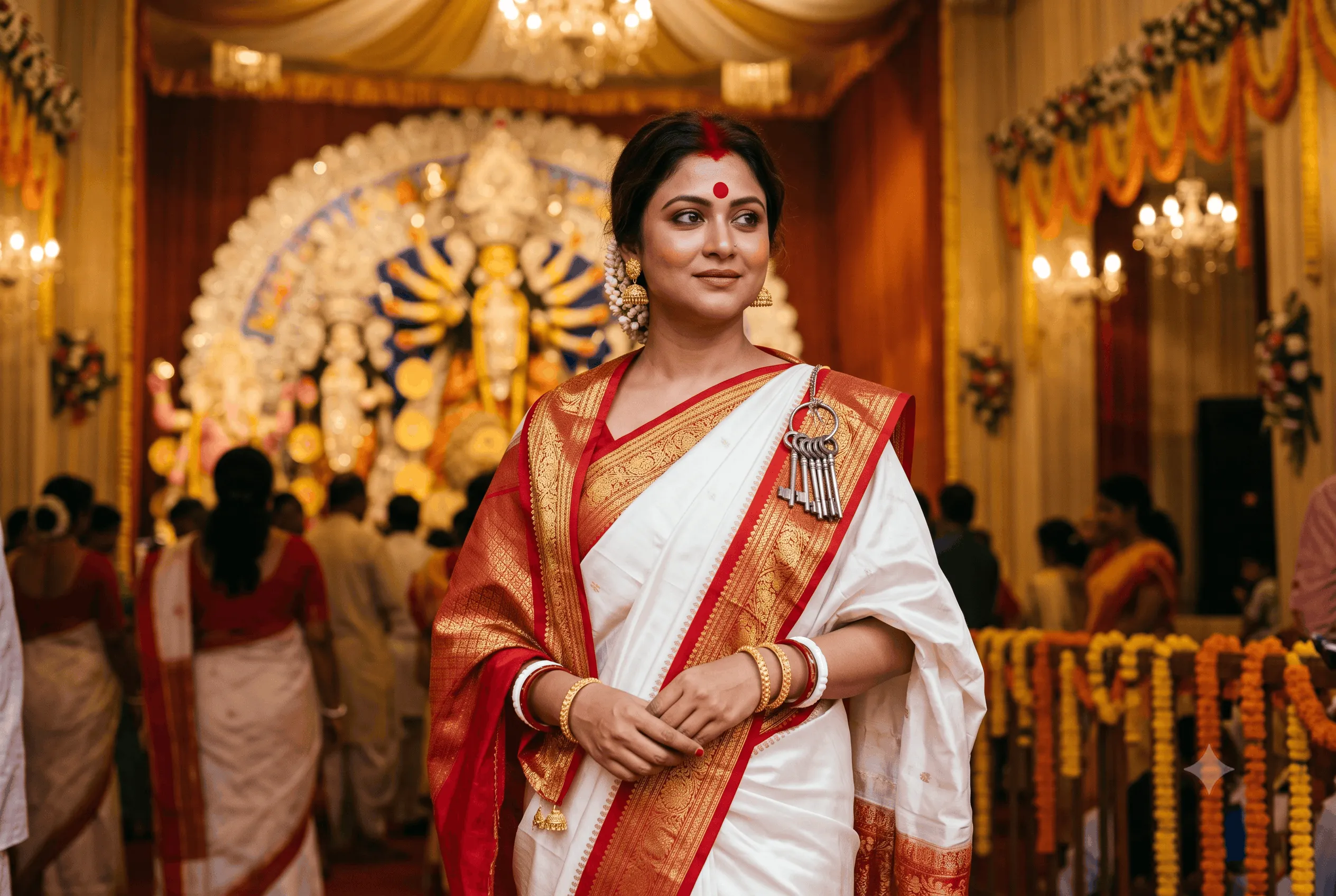
Cotton Jamdani is also a lovely choice for Poila Baishakh and Durga Puja daytime visits. See our East India weaves guide.
Managing Sheerness
Cotton Jamdani is light and slightly sheer, so a few simple choices help.
Wear a matching petticoat in the same colour as the saree.
Choose denser weaves for office and daytime wear.
Use a slightly longer blouse for extra coverage if you prefer.
Avoid very fine Dhakai Jamdani for crowded or very active days.
Starching Cotton Jamdani
Starch gives cotton Jamdani a crisp, neat drape and makes pleats stay in place.
Light starch is best for everyday wear, keeping the fabric soft but structured.
Rice starch is a traditional option, but commercial fabric starch is easier to use.
Starch after washing and before drying, then iron while slightly damp.
Do not over-starch, as it can make the fabric stiff and attract insects in storage.
How to Wash Cotton Jamdani
First wash: many sellers recommend dry-cleaning or a very gentle cold soak for the first wash, as dyes may bleed.
Hand-wash in cold water with a mild detergent.
Do not scrub or wring. Gently press out water to protect the motifs.
Wash separately from other clothes, especially in early washes.
Dry in the shade, flat or on a line, to protect colours.
Ironing and Storage
Iron on medium heat on the reverse side while the fabric is slightly damp.
Protect motifs by placing a cotton cloth over them while ironing.
Store folded loosely in cotton or muslin, away from damp.
Avoid hanging cotton Jamdani for long periods, as it can stretch.
Refold every few months to prevent permanent creases.
Remove starch before long-term storage by washing, as starch can attract insects.
Blouse Ideas for Cotton Jamdani
Cotton blouses in contrast colours keep the look light and everyday.
Khadi blouses add texture and an earthy feel.
Collared and shirt-style blouses look smart for office wear.
Silk or brocade blouses dress up Jamdani for festive events.
High-neck blouses create an elegant, formal look. See our high-neck blouse designs.
Jewellery for Cotton Jamdani
Silver and oxidised silver jhumkas and chokers.
Terracotta and handmade jewellery for casual looks.
Pearls for a soft, formal look.
Gold for festive occasions.
Colours That Suit Everyday Jamdani
Office: grey, navy, olive, maroon, teal and muted pastels.
Casual: red, yellow, turquoise, pink and white with colourful motifs.
Festive daywear: red and white, mustard, deep green and ivory with gold.
Price Guide for Everyday Cotton Jamdani
These are indicative 2026 ranges. Prices vary by city, seller, fineness and motif density.
| Item | Indicative price range |
|---|---|
| Powerloom Jamdani-style cotton saree | ₹800 – ₹2,500 |
| Handloom cotton Jamdani (simple motifs) | ₹2,500 – ₹6,000 |
| Handloom cotton Jamdani (denser motifs) | ₹6,000 – ₹15,000 |
| Cotton Jamdani dupatta or stole | ₹1,000 – ₹3,500 |
| Cotton Jamdani kurta fabric | ₹1,200 – ₹4,000 |
Handloom vs Powerloom Jamdani for Daily Wear
Powerloom "Jamdani-style" sarees are cheaper and can be practical for very rough daily use, but they do not have the soft feel or hand-inserted motifs of genuine Jamdani.
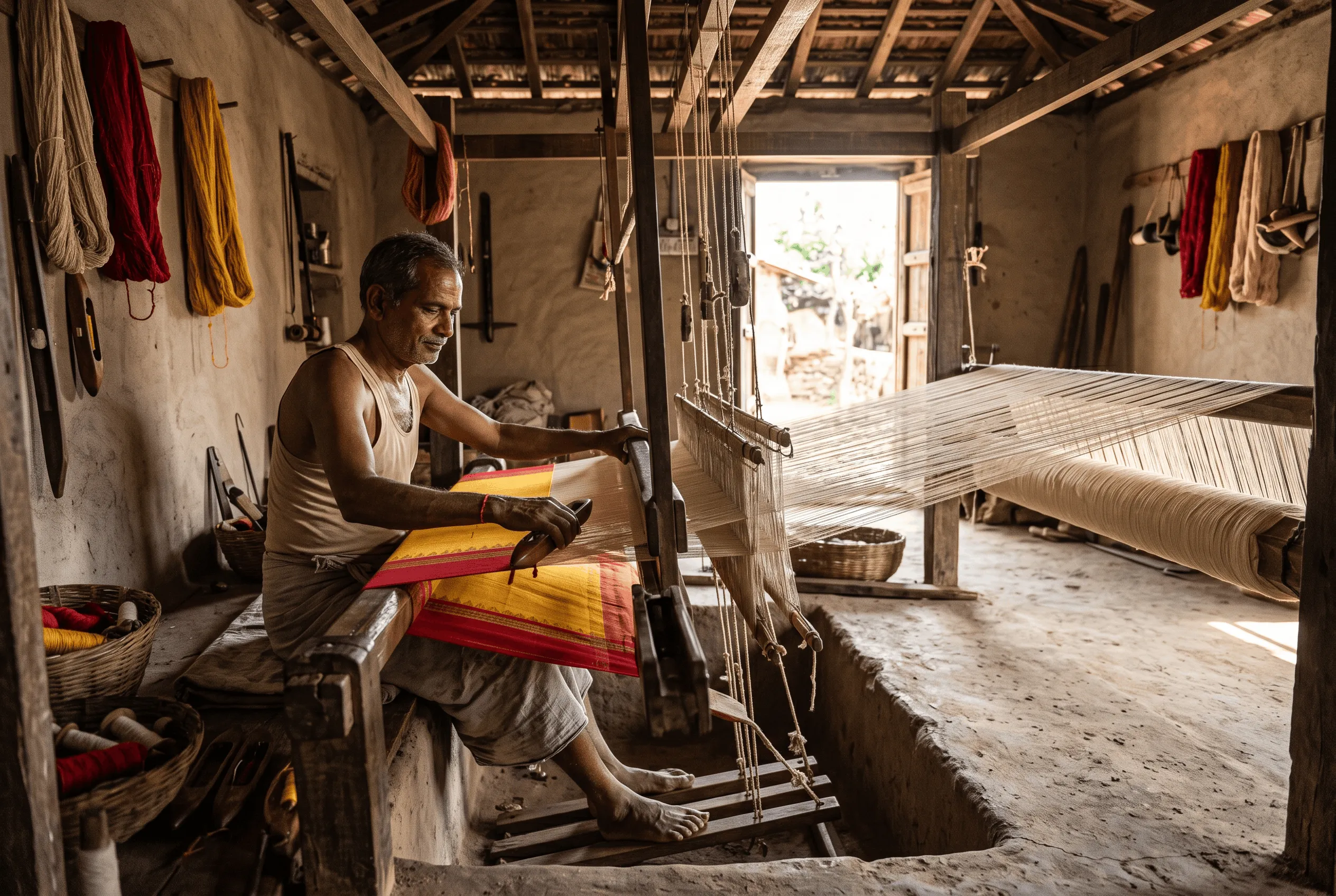
Handloom cotton Jamdani feels lighter and softer, breathes better and improves with careful washing.
A simple way to tell the difference is to turn the saree over. Handwoven Jamdani motifs look similar on both sides with only small thread ends, while powerloom copies often show long floating or cut threads.
If your budget allows, choose handloom for the sarees you wear most often, because you will enjoy the comfort every day.
Making Jamdani Last Longer
Rotate your Jamdani sarees so each one rests between wears.
Air sarees after wearing before folding them away.
Treat small stains quickly with cold water rather than letting them set.
Keep sharp jewellery, bag zips and rough surfaces away from the fine weave, as they can snag motifs.
With these habits, everyday Jamdani can stay beautiful for many years.
Jamdani in Changing Weather
Summer: cotton Jamdani is at its best, light and cool.
Monsoon: it dries reasonably quickly, but avoid heavy rain and store it carefully in humid weather.
Winter: layer Jamdani with a shawl, cardigan or khadi jacket for comfort on cool days.
Building an Everyday Jamdani Wardrobe
Two cotton Jamdani sarees in office-friendly colours.
One brighter Jamdani for weekends and family outings.
One Jamdani with a contrast border for festive daytime events.
Three versatile blouses in white, black and a contrast colour.
One Jamdani dupatta to pair with plain suits.
Cotton Jamdani Beyond Sarees
Jamdani is also woven into dupattas, stoles, kurtas and men's ethnic wear.
A Jamdani dupatta adds handwoven elegance to a simple cotton suit.
Jamdani kurtas are breathable and stylish for summer.
Supporting Jamdani Weavers
Wearing Jamdani regularly, not just on special occasions, supports weavers throughout the year.
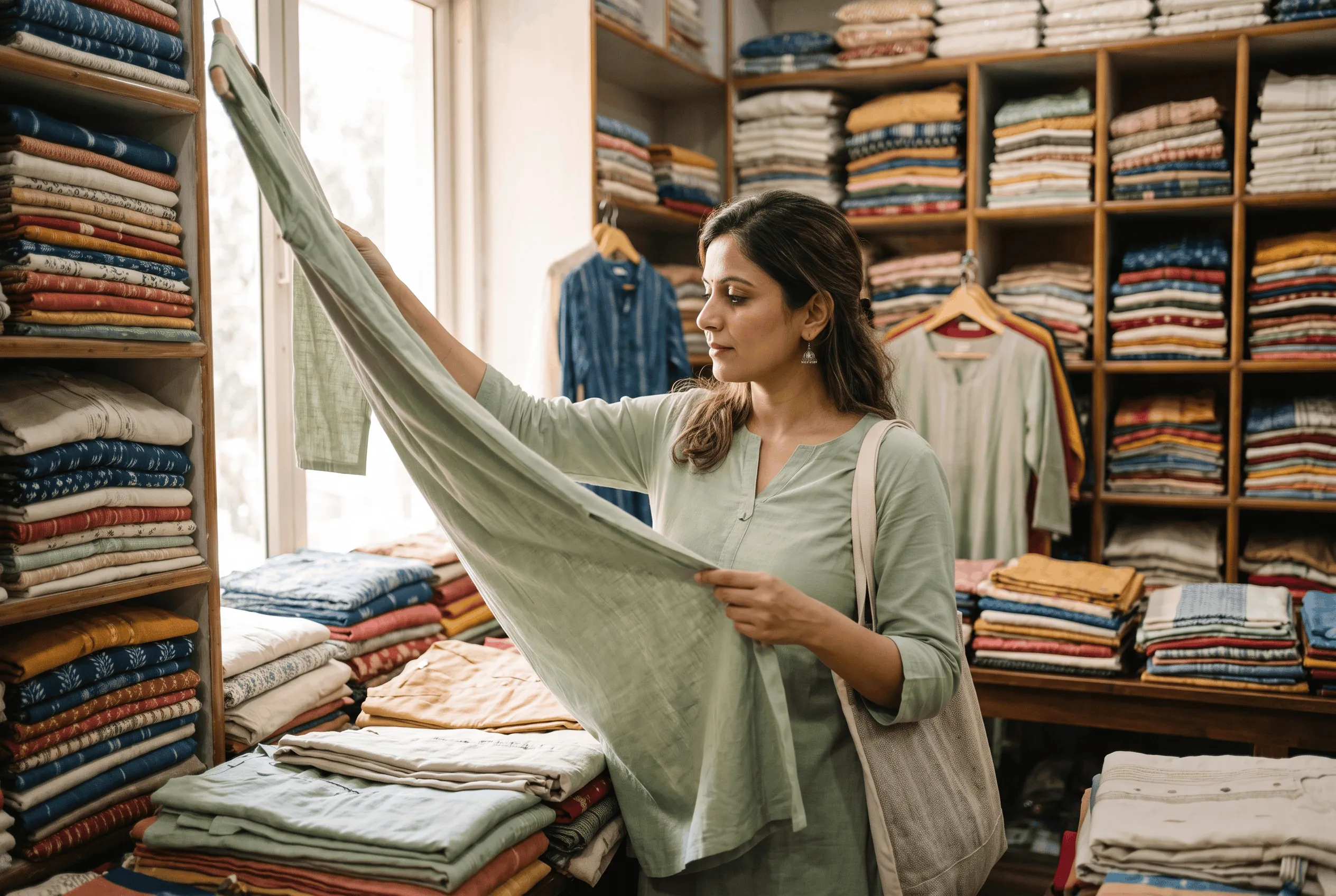
Buy handloom Jamdani from cooperatives, weaver groups and trusted handloom stores, and ask where it was woven.
When everyday buyers choose handloom over cheaper copies, weavers have steady work between festival seasons, which is what keeps a craft like Jamdani alive for the next generation.
Common Mistakes With Everyday Jamdani
Washing cotton Jamdani with other clothes and causing colour bleeding is a common mistake.
Another is wringing it, which can distort the motifs and weave.
Some people also choose very sheer Jamdani for office wear without a matching petticoat.
Finally, avoid storing heavily starched Jamdani for long periods.
Why Cotton Jamdani Deserves Daily Wear
Cotton Jamdani brings handwoven artistry into everyday life.
It is light, breathable and elegant, and it works beautifully for office, weekends and summer events.
Choose practical weaves for daily use, style them simply and care for them gently, and your Jamdani sarees will stay beautiful for many years.
Explore more cottons in our cotton sarees and suits guide and the traditional wear trends 2026 guide.
Cotton Jamdani for Different Body Types
Petite women look elegant in Jamdani with small scattered buttis and narrow borders.
Curvy women benefit from Jamdani's light weight; a lightly starched drape keeps pleats neat.
Tall women carry broad borders and denser motifs especially well.
Jamdani for Travel
Cotton Jamdani is light and packs easily, which makes it a lovely travel saree for summer trips and family visits.
Roll it rather than fold it, and carry a small travel steamer to refresh it on arrival.
Darker colours and printed blouses hide travel marks better than pure white.
Comments (0)
Leave a Thought
No comments yet. Be the first to share your thoughts!