Choosing a bridal lehenga is one of the most exciting decisions of wedding planning, and one of the most overwhelming.
There are dozens of silhouettes, fabrics and embroidery styles, and prices range from a few thousand rupees to several lakhs. Add family expectations, wedding traditions, weather and comfort, and it is easy to feel lost.
The secret is to decide in the right order: silhouette first, then fabric, then embroidery and colour, and finally budget and fittings.
This bridal lehenga guide walks you through each decision with practical advice on choosing a silhouette for your body and venue, picking the right fabric for your season, understanding embroidery and pricing, and planning fittings so your lehenga feels as good as it looks.
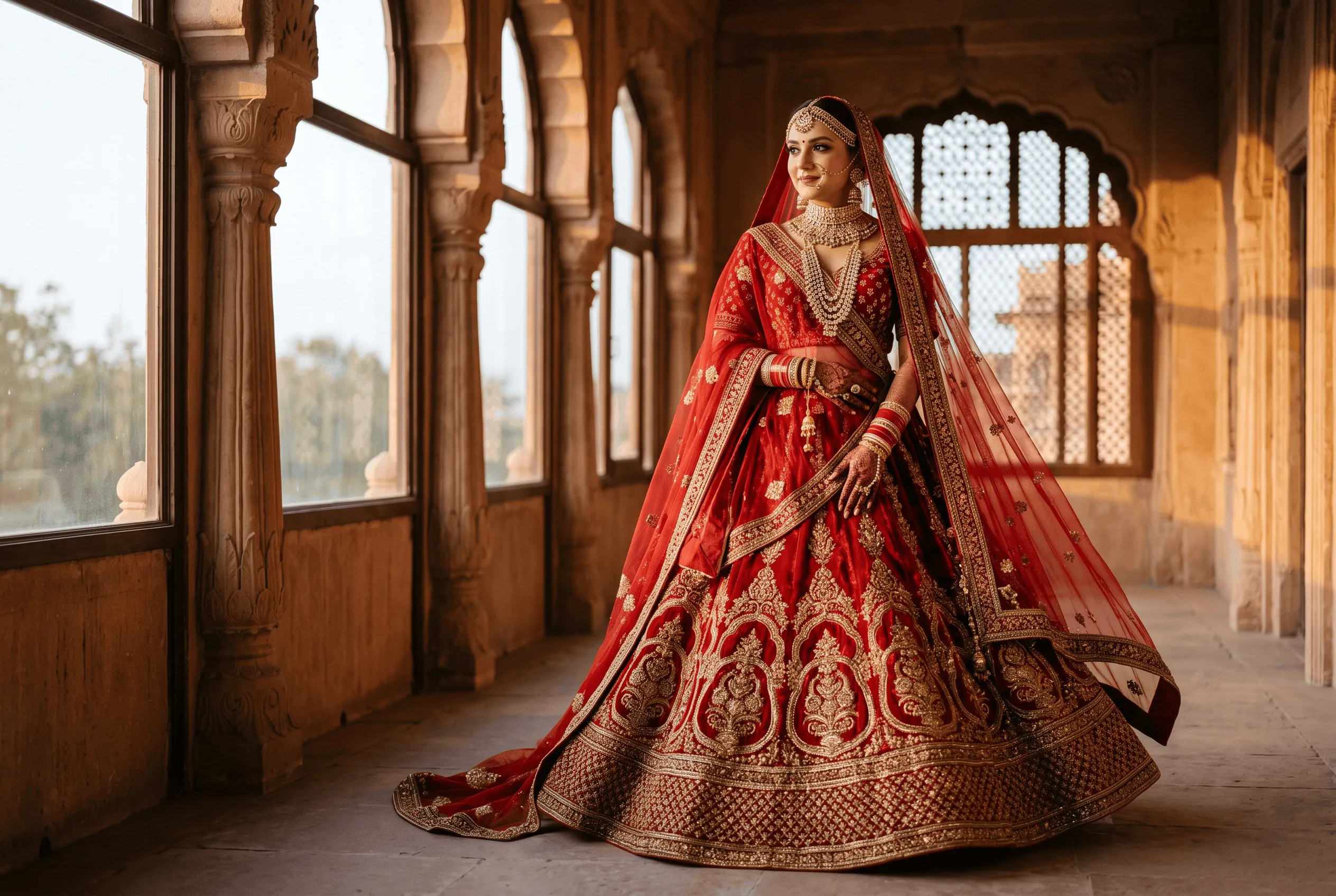
Start With Your Wedding Details
Before you look at lehengas, note down:
Ceremony type and duration: a long pheras ceremony needs comfort; a short evening varmala allows more drama.
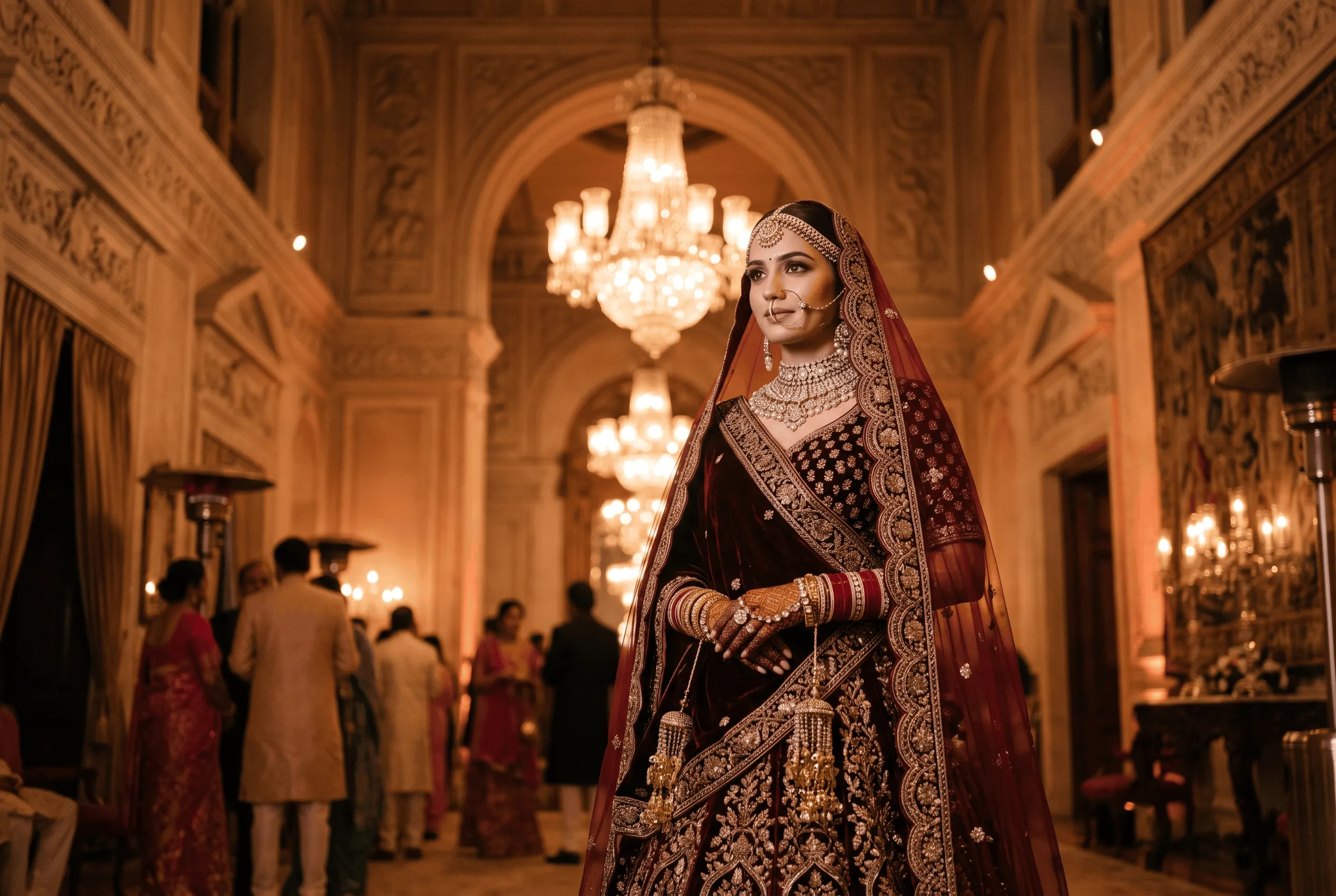
Season and venue: an outdoor summer wedding needs breathable fabric, while a winter palace wedding can handle velvet.
Family traditions: some families prefer red or specific colours, or a saree for the main ritual.
Budget: decide a realistic range, including blouse, dupatta, alterations and accessories.
Re-wear plans: if you want to wear the lehenga again, a lighter, versatile design makes sense.
These details narrow your choices quickly.
Step 1: Choose the Silhouette
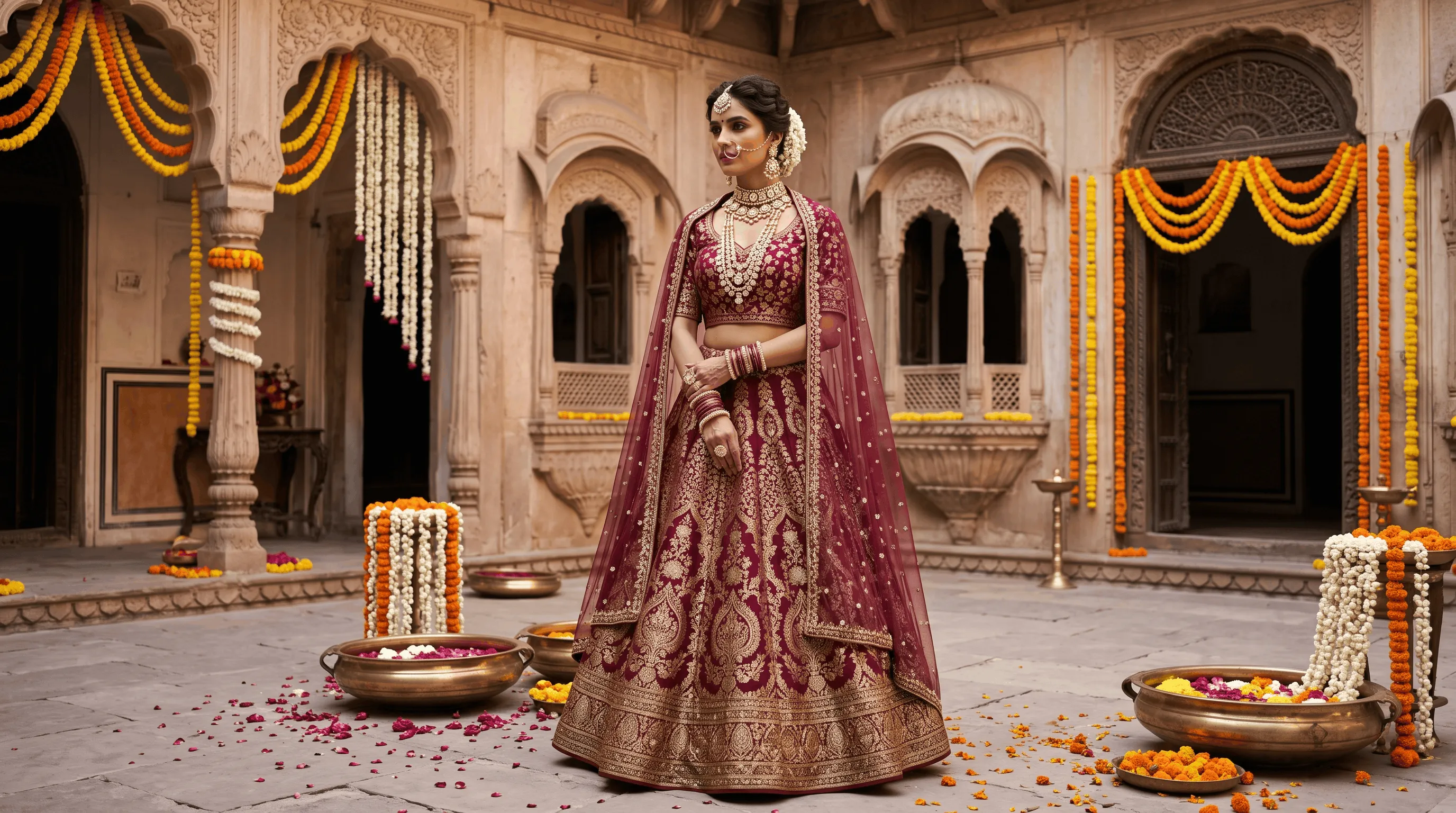
A-line lehenga
Fitted at the waist and flaring gently to the hem.
Suits: almost every body type.
Best for: brides who want a classic, comfortable look.
Flared or can-can lehenga
A full, voluminous skirt supported by layers of net or can-can.
Suits: most body types, especially petite and slim brides who want volume.
Best for: grand weddings and dramatic entries.
Note: it is heavier and needs space to move.
Mermaid or fishtail lehenga
Fitted through the hips and flaring below the knee.
Suits: tall brides and those with defined waists.
Best for: receptions and cocktail events.
Note: it restricts movement and is less practical for long rituals.
Panelled or kalidar lehenga
Made from many vertical panels that create flare without much weight.
Suits: most body types; vertical lines add height.
Best for: brides who want flare with comfort.
Straight or sharara-style lehenga
A straighter skirt or sharara-inspired cut for a relaxed, modern look.
Best for: mehendi, sangeet or minimalist brides.
Jacket and cape lehenga
A lehenga with a long jacket or cape instead of, or along with, a dupatta.
Best for: winter weddings and receptions.
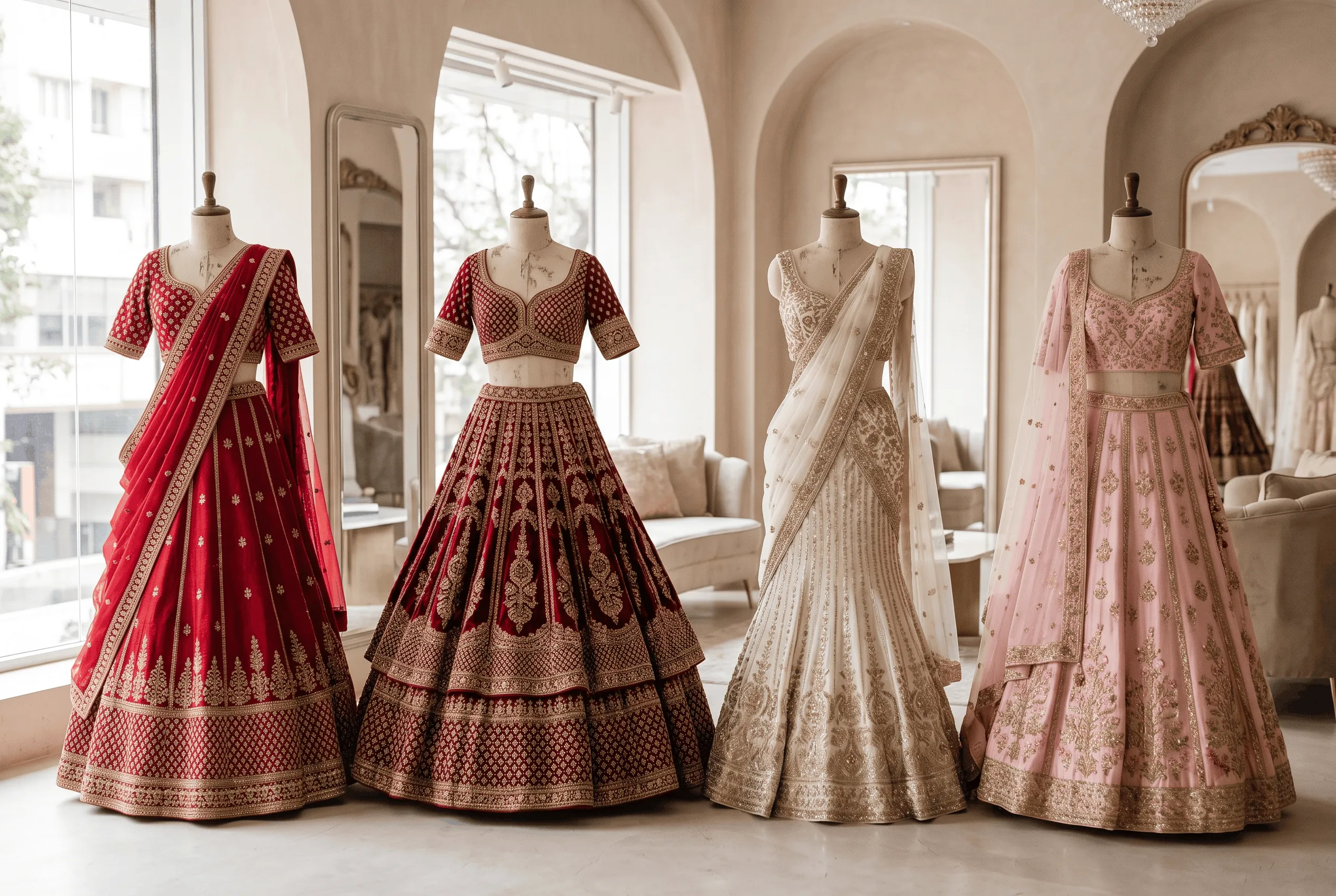
Step 2: Choose the Fabric
Velvet
Rich, plush and warm, with deep colour. Ideal for winter and evening weddings.
Read our guide to velvet for bridal lehengas.
Silk and Banarasi brocade
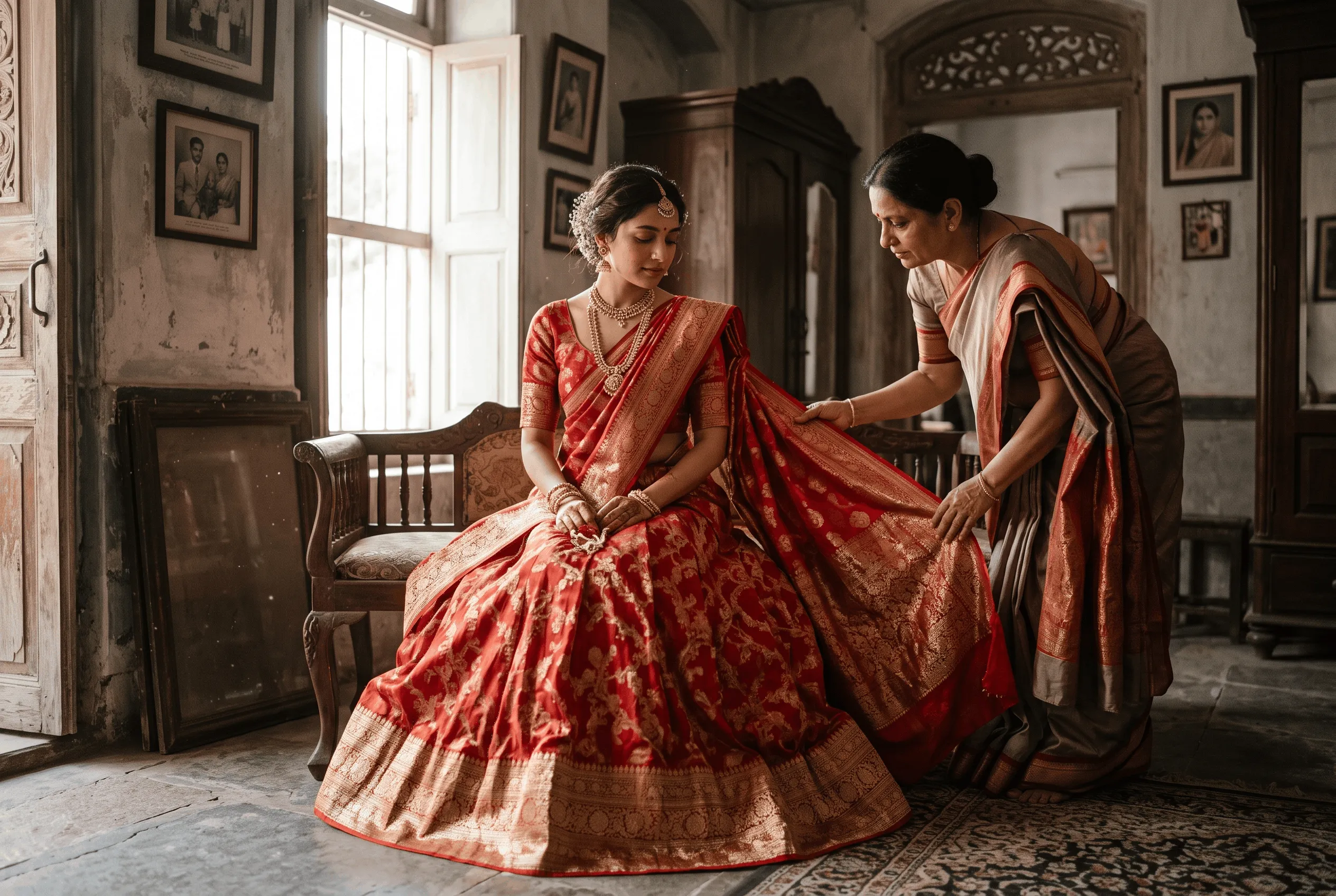
Luxurious and traditional, with woven zari patterns that need little extra embroidery.
See our Banarasi brocade for weddings guide.
Raw silk
Structured with a subtle texture, ideal for daytime ceremonies and lighter bridal looks. See our raw silk for daytime functions guide.
Georgette
Light and fluid, comfortable in warm weather and easy to move in.
Net
Lightweight and often layered, popular for flared skirts and dupattas.
Organza and tissue
Sheer, light and glamorous, ideal for summer and pastel bridal looks. See our organza sarees for summer weddings.
Choosing by season
Winter: velvet, heavy silk, brocade.
Summer: georgette, organza, raw silk, light silk.
Monsoon: georgette and lighter silks that dry quickly.
Step 3: Choose the Embroidery
Zardozi: metallic thread embroidery, rich and traditional.
Gota patti: Rajasthani ribbon work, lighter and festive.
Resham: silk thread embroidery in colour, softer and lighter.
Dabka and nakshi: coiled metal thread work for texture.
Sequins and mirror work: glamorous for evening events.
Woven zari: Banarasi lehengas carry their design in the weave itself. Learn more in our zari silk guide.
Heavier embroidery adds weight and cost. Ask the designer to keep the waist area lighter for comfort.
Step 4: Choose the Colour
Red and maroon: timeless and auspicious.
Wine, rani pink and rust: rich, modern alternatives.
Ivory, champagne and gold: elegant for day weddings and minimalist brides.
Pastels: soft and romantic for summer and daytime ceremonies.
Emerald and royal blue: striking choices for receptions.
Consider your skin tone, venue lighting and family preferences. Our bridal lehenga trends for colours and fabrics shows what brides are choosing this season.
Step 5: Set Your Budget
These are indicative 2026 ranges. Prices vary by city, designer, fabric and embroidery.
| Bridal lehenga type | Indicative price range |
|---|---|
| Ready-made embroidered lehenga | ₹25,000 – ₹75,000 |
| Boutique or semi-custom lehenga | ₹60,000 – ₹2,00,000 |
| Handloom Banarasi lehenga | ₹50,000 – ₹2,50,000+ |
| Designer couture lehenga | ₹2,00,000 – ₹10,00,000+ |
Hidden costs: blouse stitching, extra dupatta, alterations, can-can, latkans, shipping and accessories.
Ways to save: choose woven fabric over heavy embroidery, reduce embroidery on the skirt's back, reuse an heirloom saree as a lehenga or choose a lighter second dupatta. Our saree to lehenga conversion guide explains how.
Step 6: Choose the Blouse and Dupatta
Blouse: sweetheart, V-neck, high-neck and corset blouses are all popular. Choose a style that supports you comfortably for hours. See our high neck blouse designs.
Dupatta: many brides wear two dupattas, one draped on the shoulder and one over the head. Net and organza dupattas are lighter than velvet or heavy silk.
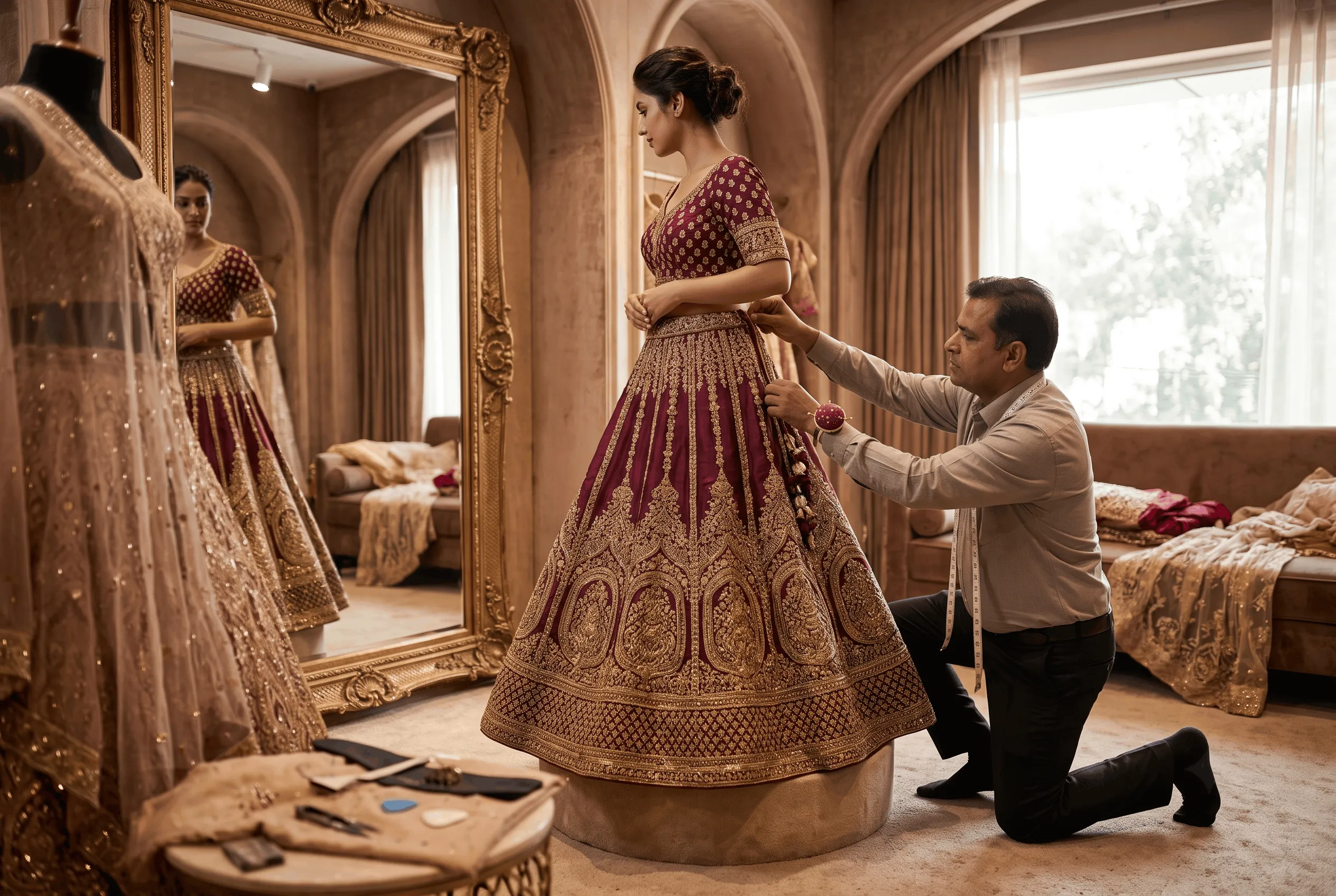
Step 7: Plan the Timeline and Fittings
Start shopping 4–6 months before the wedding for custom or designer lehengas.
Ready-made lehengas can be bought 2–3 months before, leaving time for alterations.
Plan at least two fittings: one after the first stitch and a final fitting 2–3 weeks before the wedding.
Wear your wedding shoes and the right undergarments to every fitting.
Comfort Tips for the Wedding Day
Check the weight: ask the total weight of the lehenga and dupatta; many brides prefer under 8–10 kg.
Lighten the waist: ask for lighter embroidery near the waistband.
Pockets: many designers can add hidden pockets.
Practise walking and sitting in the lehenga before the wedding.
Secure the dupatta with pins and hair clips.
Choosing for Your Body Type
Petite brides: A-line or panelled lehengas, vertical embroidery and lighter dupattas.
Tall brides: flared, mermaid or heavily embroidered lehengas.
Curvy brides: A-line or kalidar lehengas with structured blouses.
Pear-shaped brides: A-line lehengas with detailed blouses to balance proportions.
Your Shopping Day Checklist
Bring the right people: one or two people whose opinion you trust, rather than a large group.
Wear the right undergarments and carry heels of the height you plan to wear.
Bring reference photos of silhouettes and colours you like, and a few you know you do not like.
Carry your budget in writing, including alterations and accessories.
Photograph every option in natural light and under shop lights, so you can compare later.
Sit, walk and turn in each lehenga before deciding. A lehenga you cannot move in is not the right one.
Questions to Ask the Designer or Store
What is the fabric of the skirt, blouse and dupatta?
Is the embroidery handwork or machine work?
What is the total weight, including the dupatta?
How many fittings are included, and what do alterations cost?
What is the delivery timeline, and what happens if it is delayed?
Can the waist be adjusted later if my measurements change?
Is the zari or embroidery thread pure, tested or imitation?
What is the return or exchange policy?
Clear, written answers prevent most bridal shopping stress.
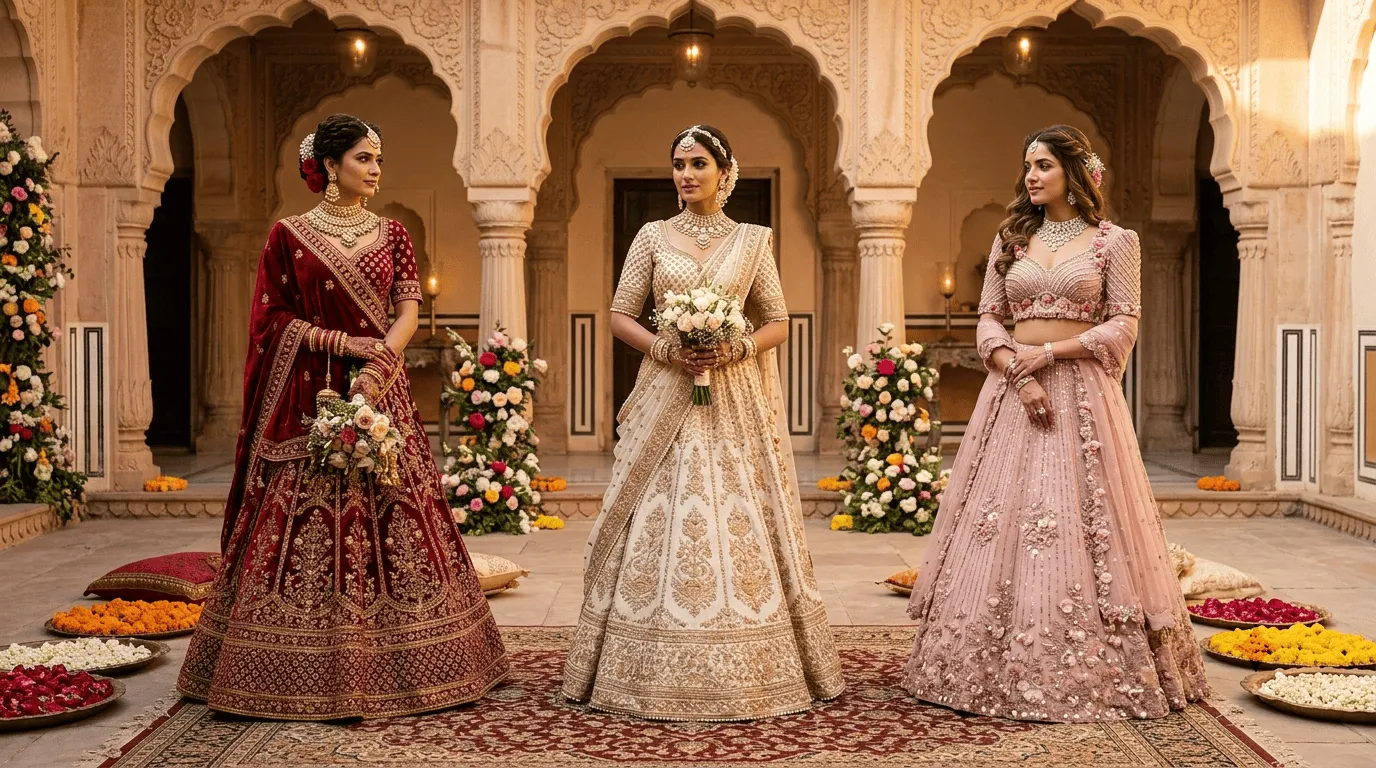
One Lehenga or Several?
Many brides now choose a different outfit for each function.
Main ceremony: the bridal lehenga, in the most traditional colour and fabric.
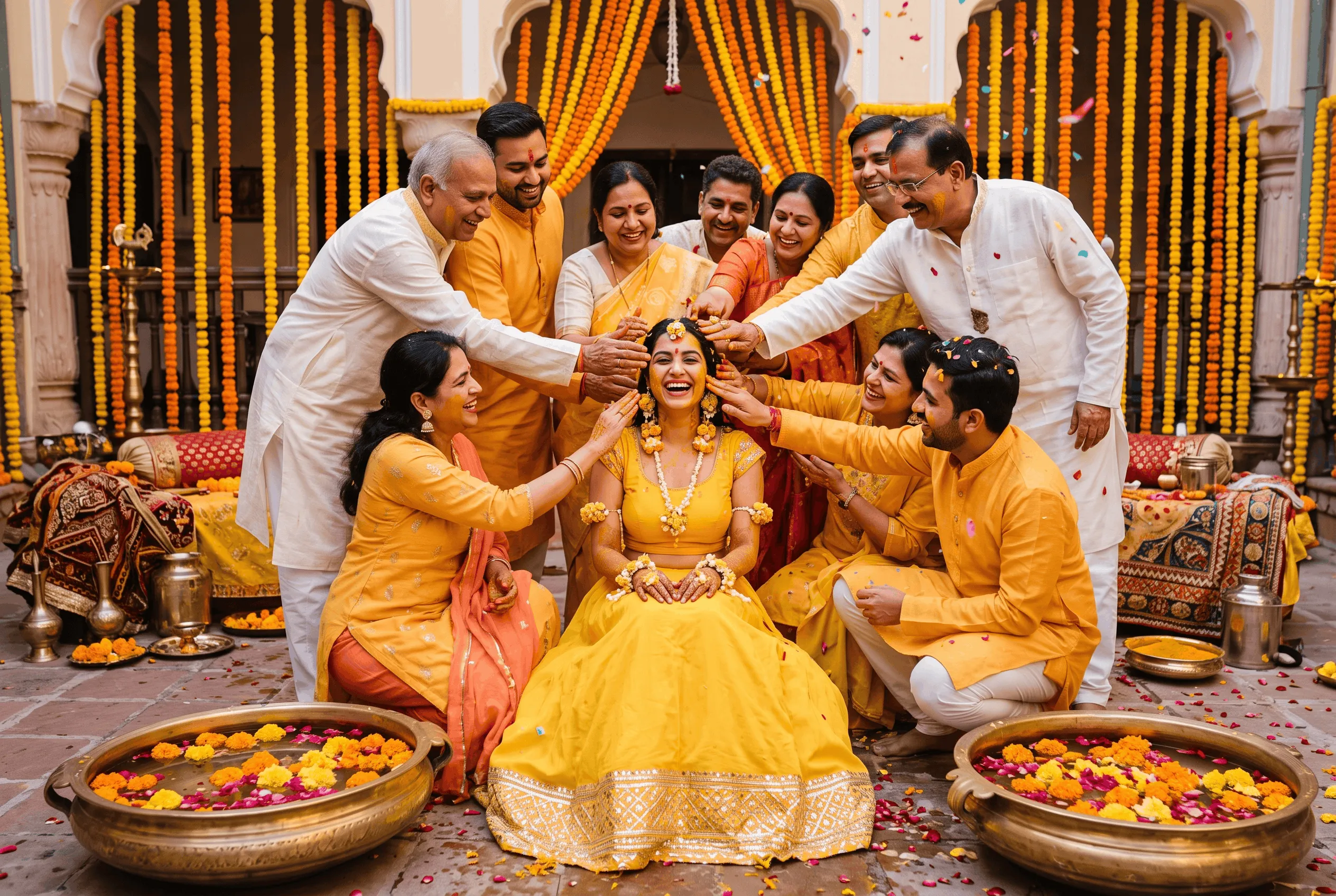
Mehendi and haldi: lighter lehengas or sharara sets in raw silk, georgette or cotton silk.
Sangeet: a flared, easy-to-dance-in lehenga.
Reception: a mermaid lehenga, a heavier saree or a modern gown-style lehenga.
If your budget is limited, invest most in the main ceremony outfit and choose lighter, re-wearable pieces for the other functions.
Destination and Outdoor Weddings
For beach, garden or hill-station weddings, think about the setting.
Beaches and gardens: lighter fabrics such as organza, georgette and raw silk, and a shorter train so the hem does not drag in sand or grass.
Hill stations and winter venues: velvet or heavier silk with a warm shawl or jacket.
Travel: ask for a sturdy garment bag and pack the lehenga flat, with tissue between embroidered layers.
Accessorising Your Bridal Lehenga
Jewellery: match the metal to the embroidery. Gold zari and zardozi pair with gold, kundan and polki, while silver or pastel embroidery pairs with diamonds, uncut stones or pearls.
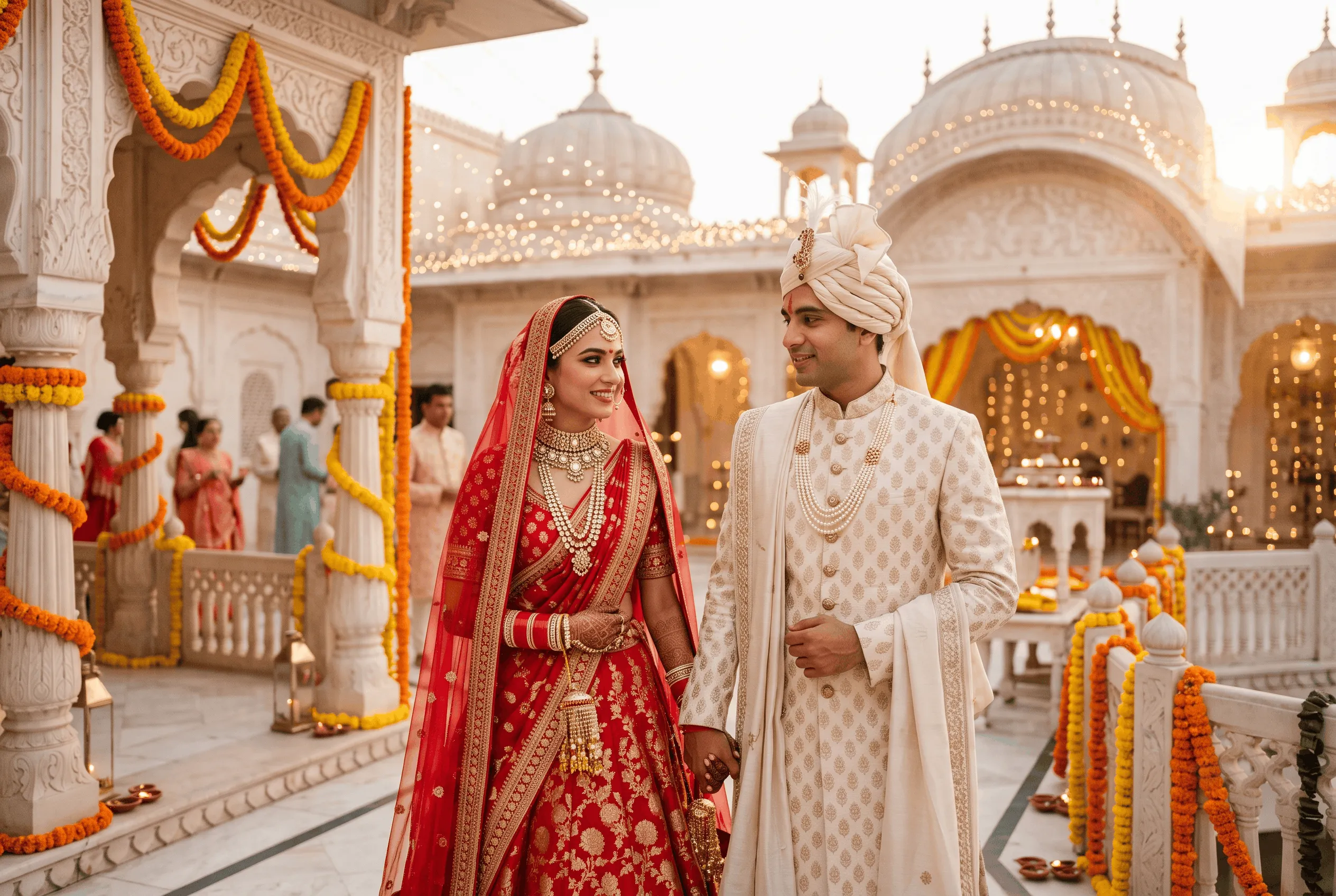
Kaleere and chooda: in many Punjabi and North Indian weddings, the chooda and kaleere are part of the bridal look, so leave room for them in your colour plan.
Footwear: choose comfortable heels or embellished juttis, and break them in before the wedding.
Potli or clutch: a small embroidered bag for essentials such as lipstick, pins and tissues.
Dupatta pins and hair accessories: decorative pins and a maang tikka help hold the head dupatta in place.
Sustainable Bridal Choices
Choose handloom fabrics, timeless designs and colours you can re-wear.
Consider restyling the lehenga skirt with a new blouse for future weddings.
Repurpose heirloom sarees into lehengas.
Our guide to sustainable handloom fashion explains why handloom matters.
Common Mistakes to Avoid
Choosing embroidery before silhouette.
Ignoring the season: velvet in summer is very uncomfortable.
Ignoring weight: a stunning lehenga that is too heavy spoils the day.
Too few fittings.
Underestimating hidden costs.
Choosing With Confidence
A great bridal lehenga balances beauty, comfort and budget.
Decide the silhouette first, choose a fabric that suits your season, pick embroidery and colour that reflect your style, set a realistic budget and plan your fittings early.
With this order, you will find a lehenga that feels as wonderful as it looks on your wedding day.
Explore more in our bridal lehenga trends worth buying, the Indian wedding edit and the traditional wear trends 2026 guide.
Comments (0)
Leave a Thought
No comments yet. Be the first to share your thoughts!