A bridal lehenga is one of the most important fashion purchases in an Indian wedding wardrobe. It needs to look special enough for the wedding day, photograph beautifully, feel comfortable through long ceremonies and ideally remain meaningful long after the celebration is over.
That is why the best bridal lehenga is not necessarily the one following the loudest trend.
The strongest bridal trends are usually the ones that combine timeless craftsmanship with a fresh silhouette, colour palette or styling approach. Traditional red continues to hold its place, but brides are also exploring ivory, champagne, soft pastels, jewel tones, heritage textiles and lighter constructions.
Modern bridalwear is also becoming more practical. Brides are paying greater attention to blouse fit, manageable dupattas, lighter skirts and pieces that can be restyled after the wedding.
This guide explores bridal lehenga trends worth investing in, along with fabric choices, blouse ideas, styling tips and practical buying advice.
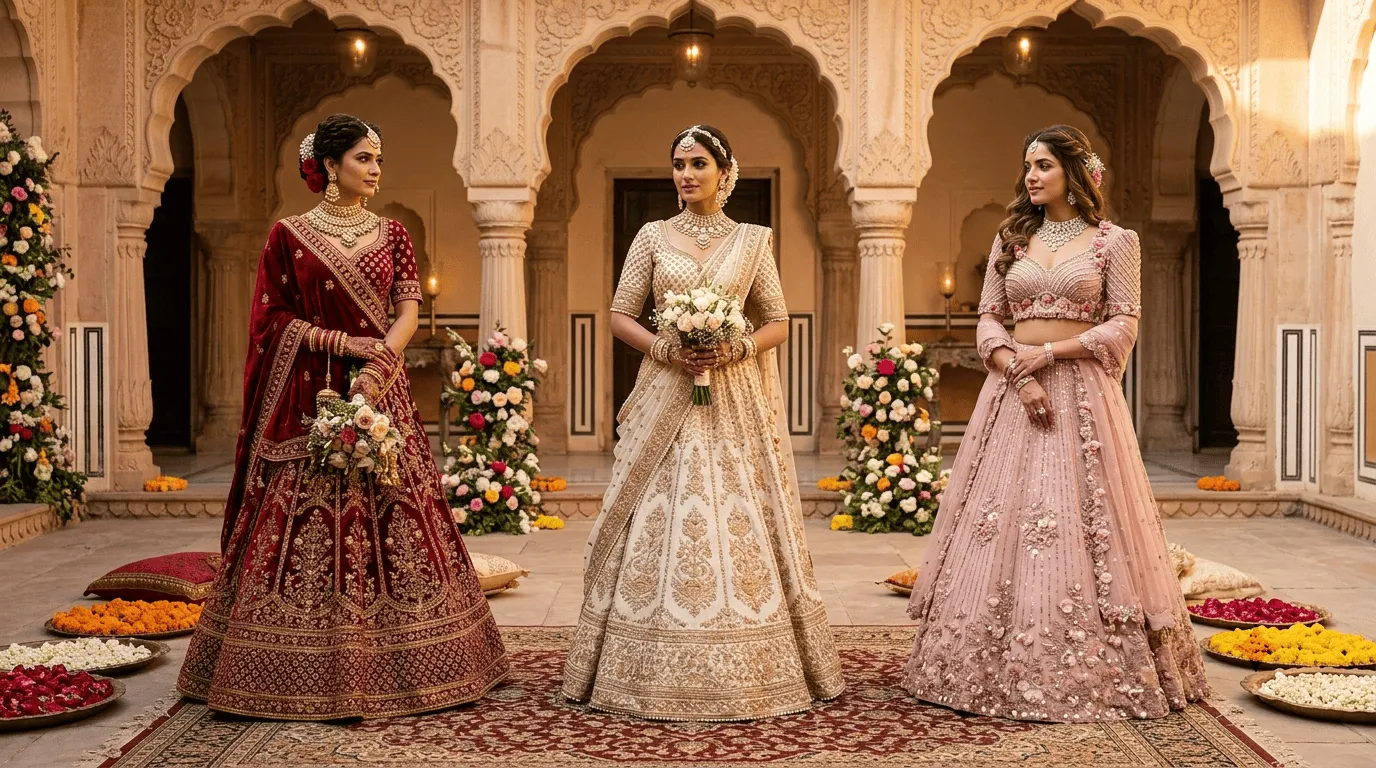
1. Traditional Red Bridal Lehengas
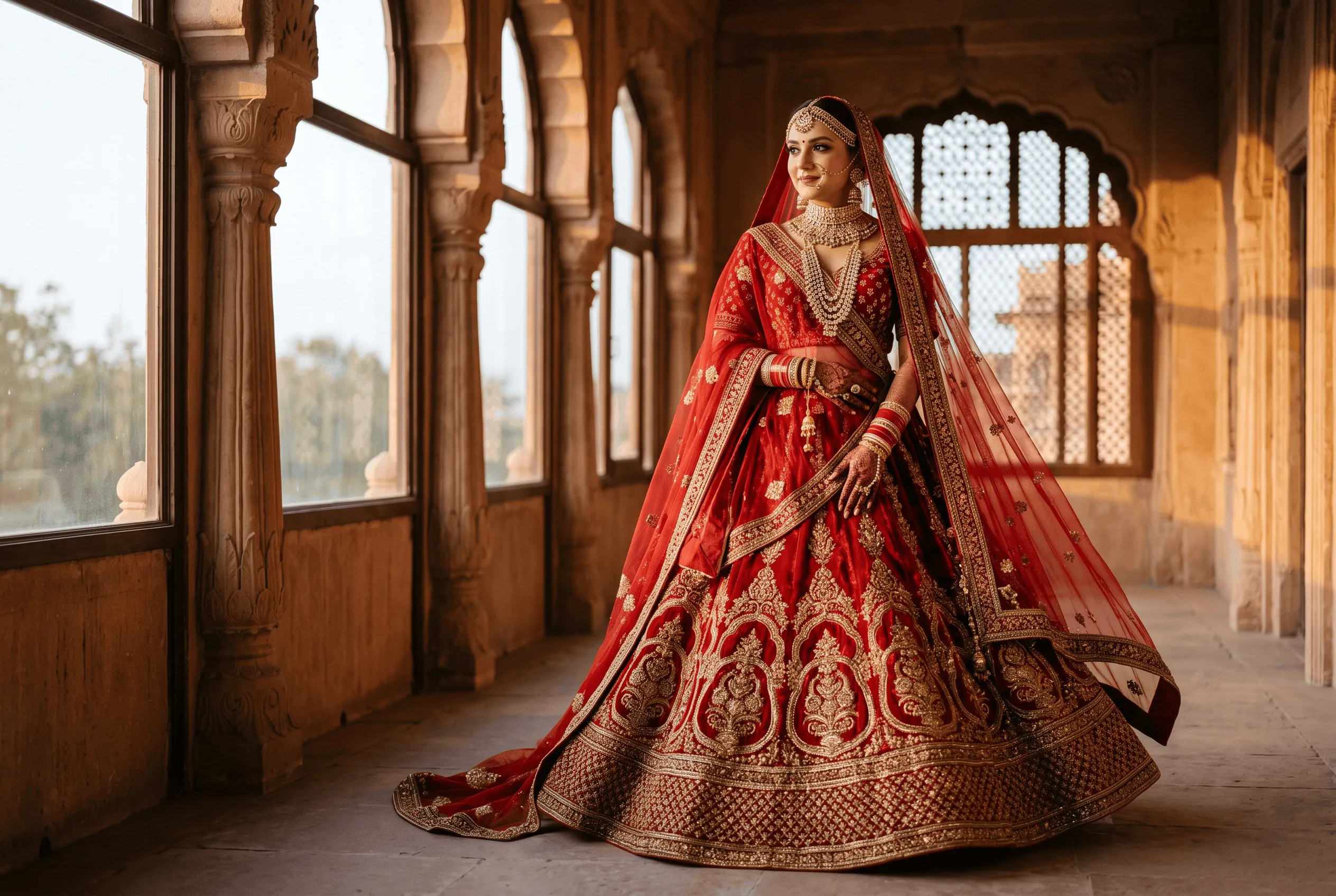
Red remains one of the most enduring bridal colours in Indian wedding fashion.
Its ceremonial character makes it especially suitable for brides who want a traditional look without depending heavily on seasonal trends.
Modern red bridal lehengas range from deep crimson and vermilion to maroon, ruby and muted brick tones.
The embroidery can be equally varied.
Some brides prefer dense gold zardozi and traditional floral motifs, while others choose a cleaner silk skirt with a richly worked border and blouse.
A red lehenga is particularly worth buying when the craftsmanship feels timeless rather than overly trend-driven.
Look for balanced embroidery, strong fabric and a silhouette that can still feel elegant years later.
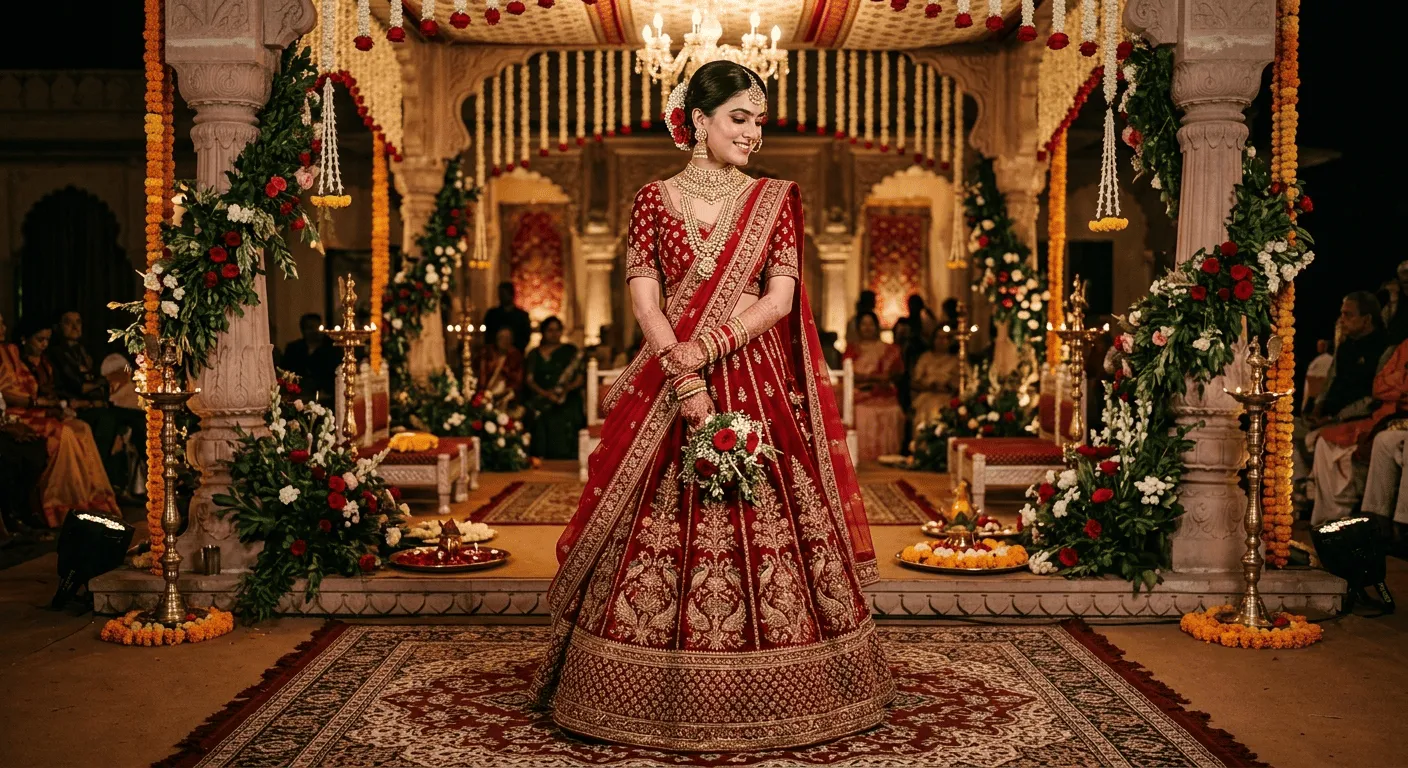
2. Ivory and Champagne Bridal Lehengas
Ivory, cream, champagne and soft gold have become strong alternatives to traditional bridal red.
These colours allow embroidery and fabric texture to take centre stage.
A tonal ivory lehenga with pearls, zari or delicate threadwork can look luxurious without relying on intense colour contrast.
Champagne works particularly well for brides who want warmth without choosing bright gold.
These shades are especially suitable for daytime weddings, destination celebrations and elegant receptions.
They can also be easier to restyle later because neutral colours pair well with different dupattas, jewellery and blouses.
To prevent an ivory bridal look from appearing flat, combine different textures such as silk, organza, embroidery and subtle metallic work.
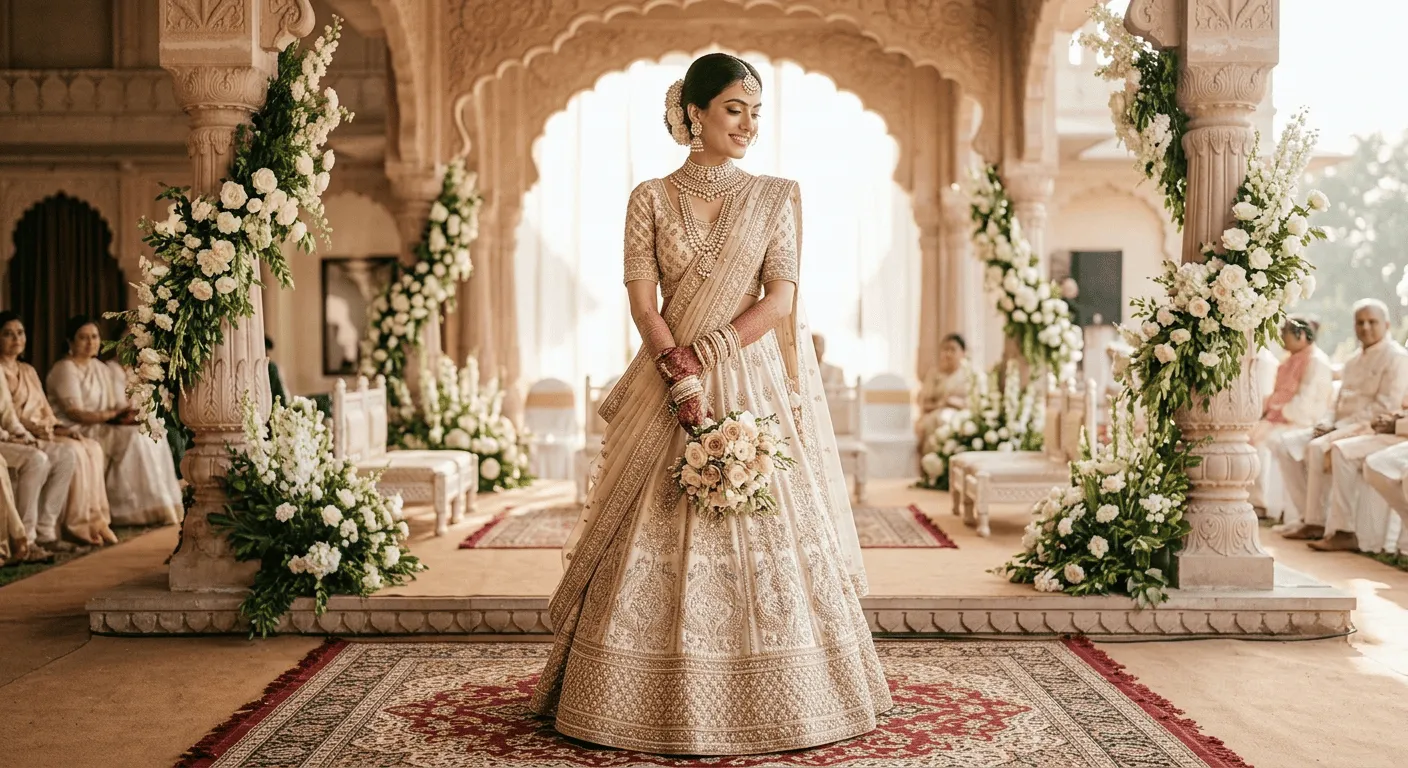
3. Heritage-Inspired Handcrafted Lehengas
One of the most worthwhile bridal investments is a lehenga built around traditional craftsmanship.
Banarasi brocade, handwoven silk, gota patti, zardozi, resham embroidery and regional textile techniques can give a bridal outfit greater depth and individuality.
These lehengas feel less dependent on a temporary fashion cycle because their appeal comes from workmanship.
A heritage-inspired design can also create a stronger connection with family or regional traditions.
Some brides choose motifs that reflect their cultural background, while others incorporate heirloom textiles or traditional dupattas into a contemporary lehenga.
When buying a handcrafted lehenga, ask about the fabric, embroidery technique, production time and whether the work is hand-done, machine-assisted or fully machine-made.
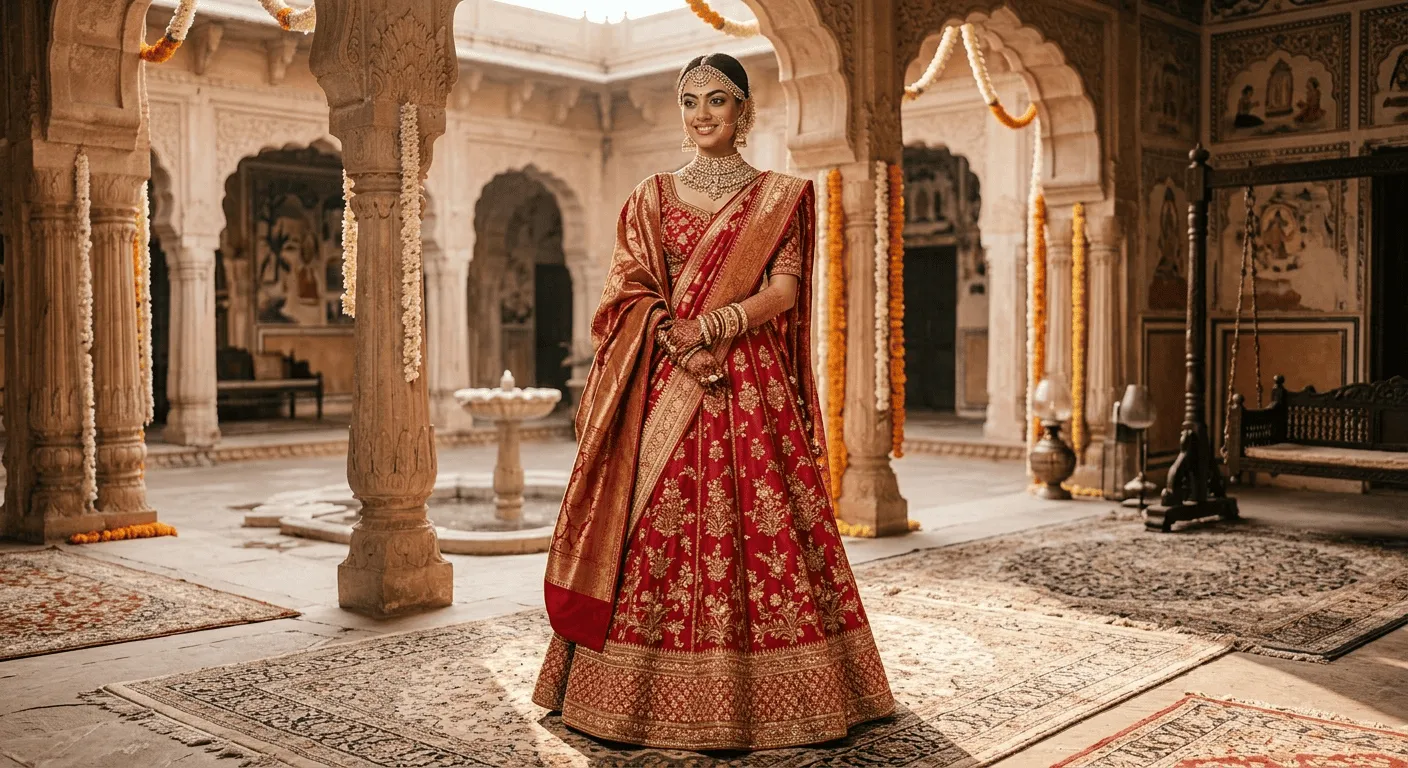
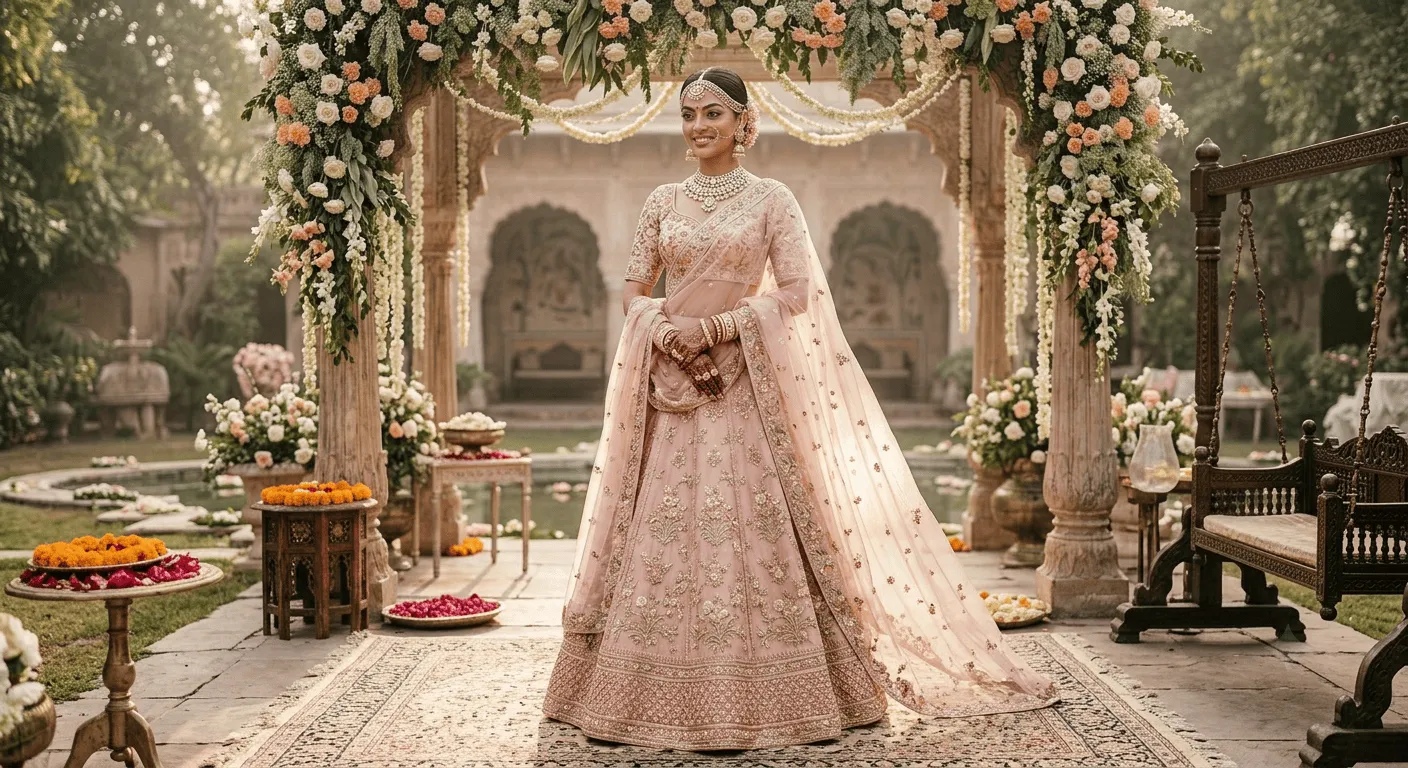
4. Pastel Floral Bridal Lehengas
Pastel lehengas continue to work beautifully for daytime and garden weddings.
Blush pink, peach, sage green, lavender, powder blue and muted rose create a softer bridal mood than traditional jewel tones.
The strongest pastel bridal designs usually rely on embroidery and texture to create richness.
Floral threadwork, pearls, sequins and subtle metallic accents can prevent the outfit from looking too casual.
Pastel lehengas are particularly suitable for engagement ceremonies, daytime weddings and destination celebrations.
If you want the outfit to remain bridal rather than simply festive, choose a structured blouse, detailed dupatta or stronger jewellery.
5. Lightweight Bridal Lehengas
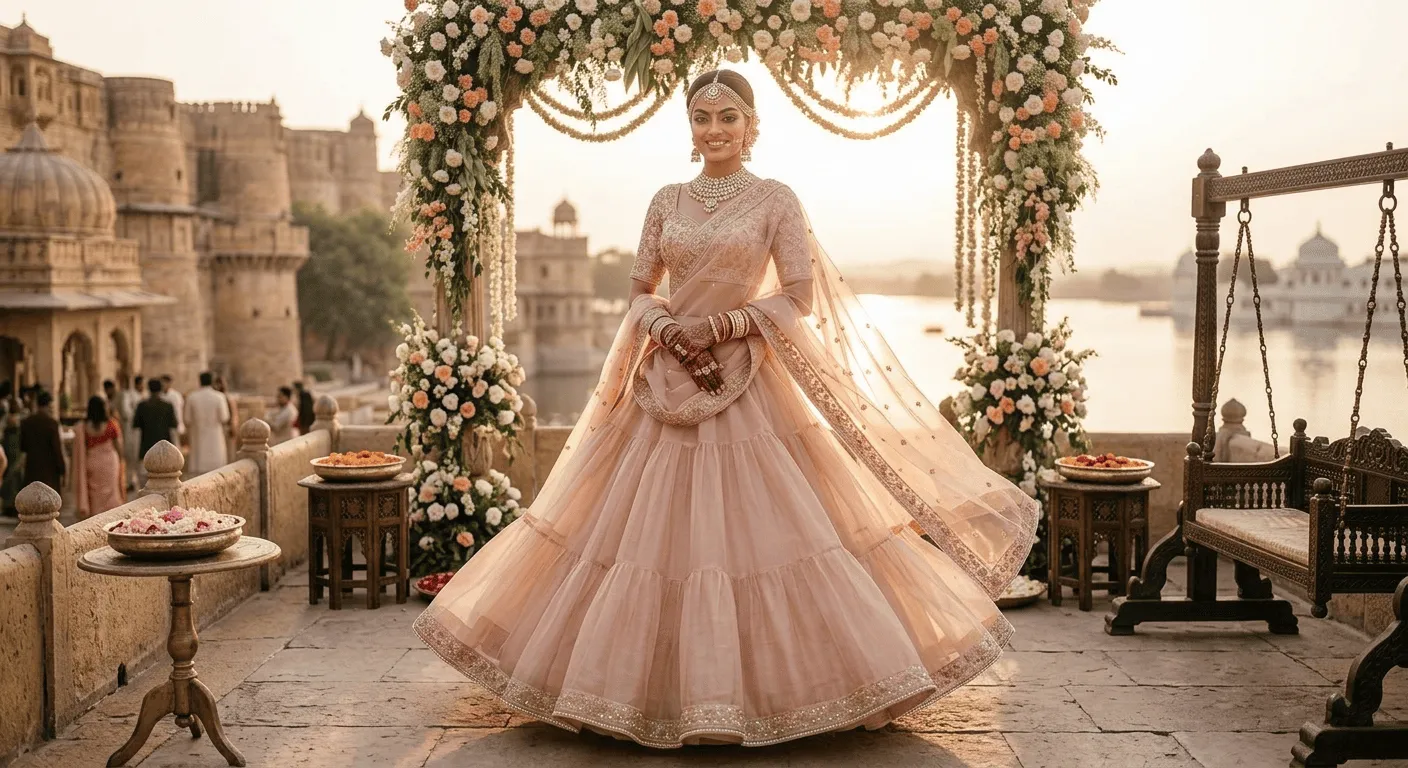
A bridal lehenga does not need to be extremely heavy to look luxurious.
Lightweight constructions are increasingly attractive because they allow brides to move, sit and participate in ceremonies more comfortably.
Organza, georgette, lightweight silk and carefully layered fabrics can create volume without excessive weight.
Instead of dense embroidery across the entire skirt, decorative work can be concentrated around borders, panels and the blouse.
This approach is especially practical for summer weddings, outdoor functions and destination ceremonies.
When trying on a lightweight lehenga, check that the fabric still holds its shape and that the lining provides sufficient structure.
6. Structured and Corset-Inspired Blouses
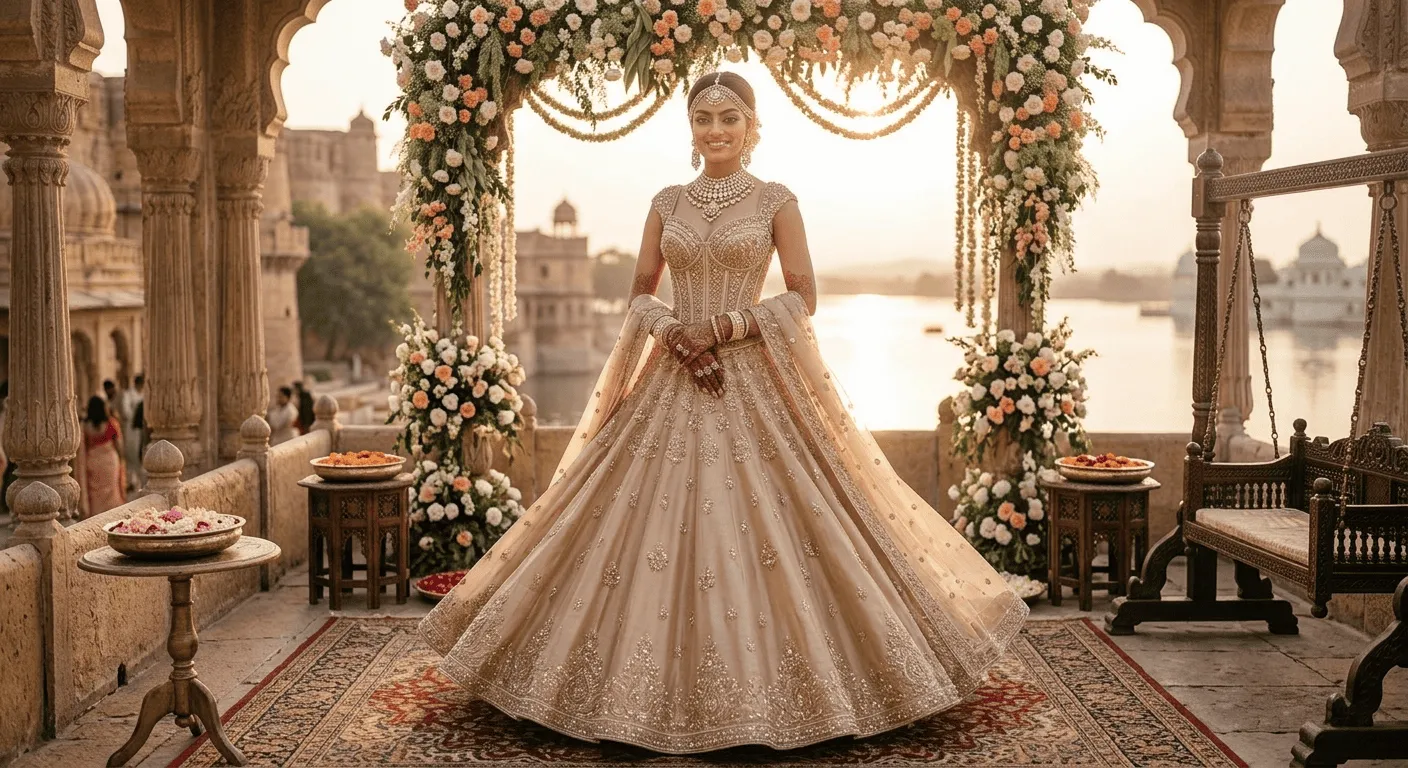
The blouse has become one of the strongest design elements in contemporary bridalwear.
Structured bodices, corset-inspired shapes, sweetheart necklines and sculpted blouses can give a traditional skirt a more modern appearance.
These styles work particularly well when the lehenga skirt is relatively simple.
A heavily embroidered corset blouse can become the focal point, while a clean structured blouse can balance a very detailed skirt.
Fit is especially important.
The blouse should provide support without restricting breathing, sitting or movement.
A design that looks perfect while standing still may become uncomfortable during a long ceremony if it is too tight.
7. Jewel-Toned Bridal Lehengas
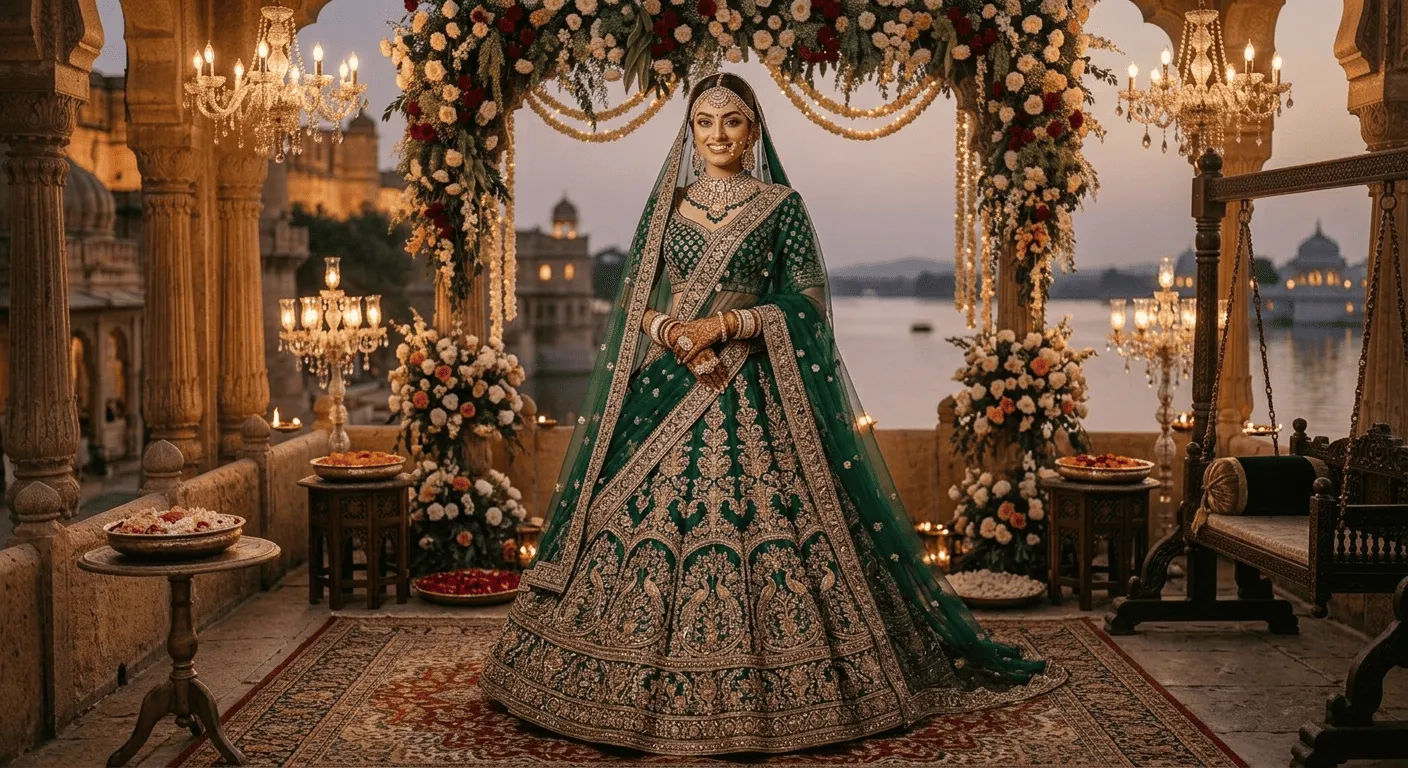
For brides who prefer rich colour without choosing traditional red, jewel tones offer a sophisticated alternative.
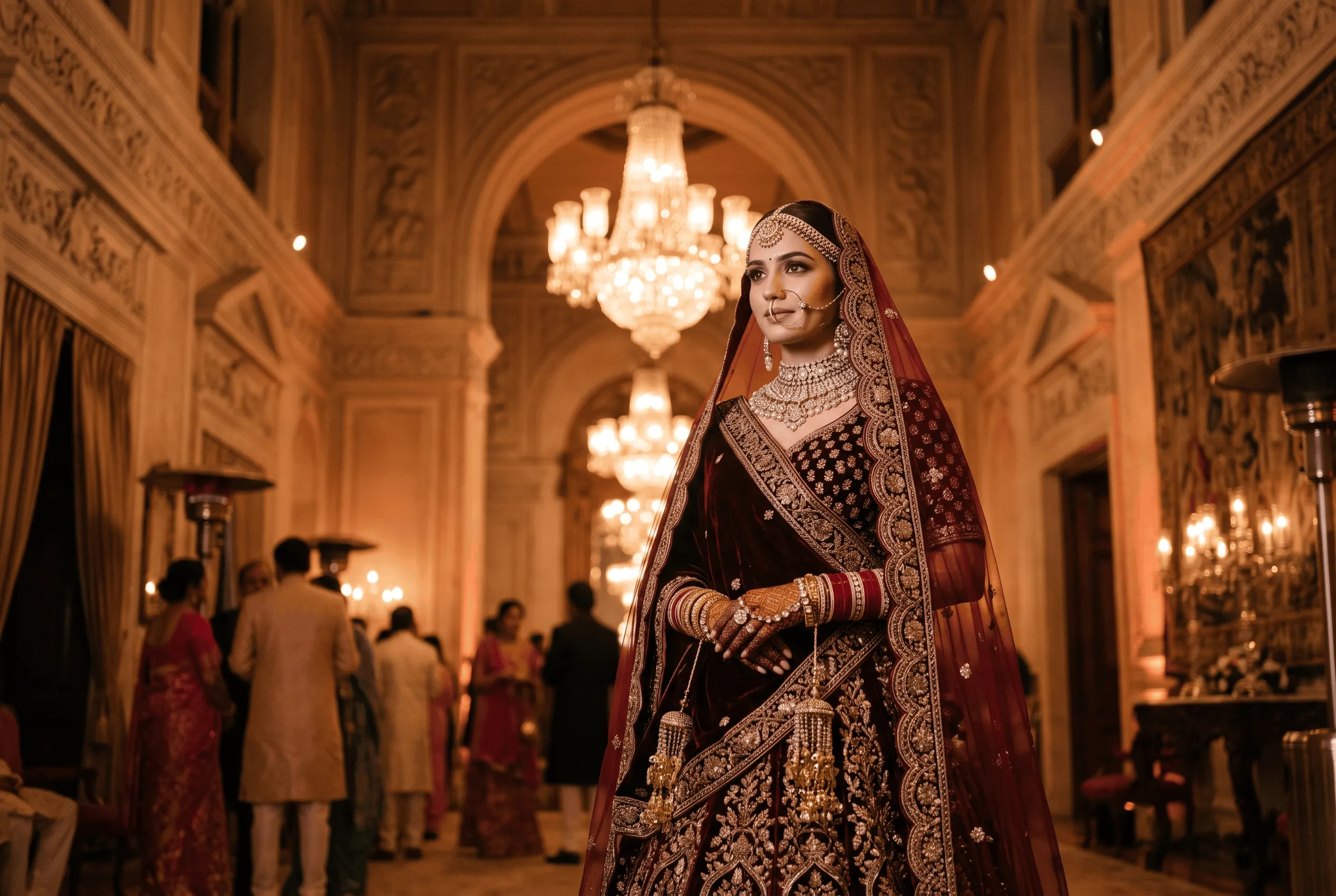
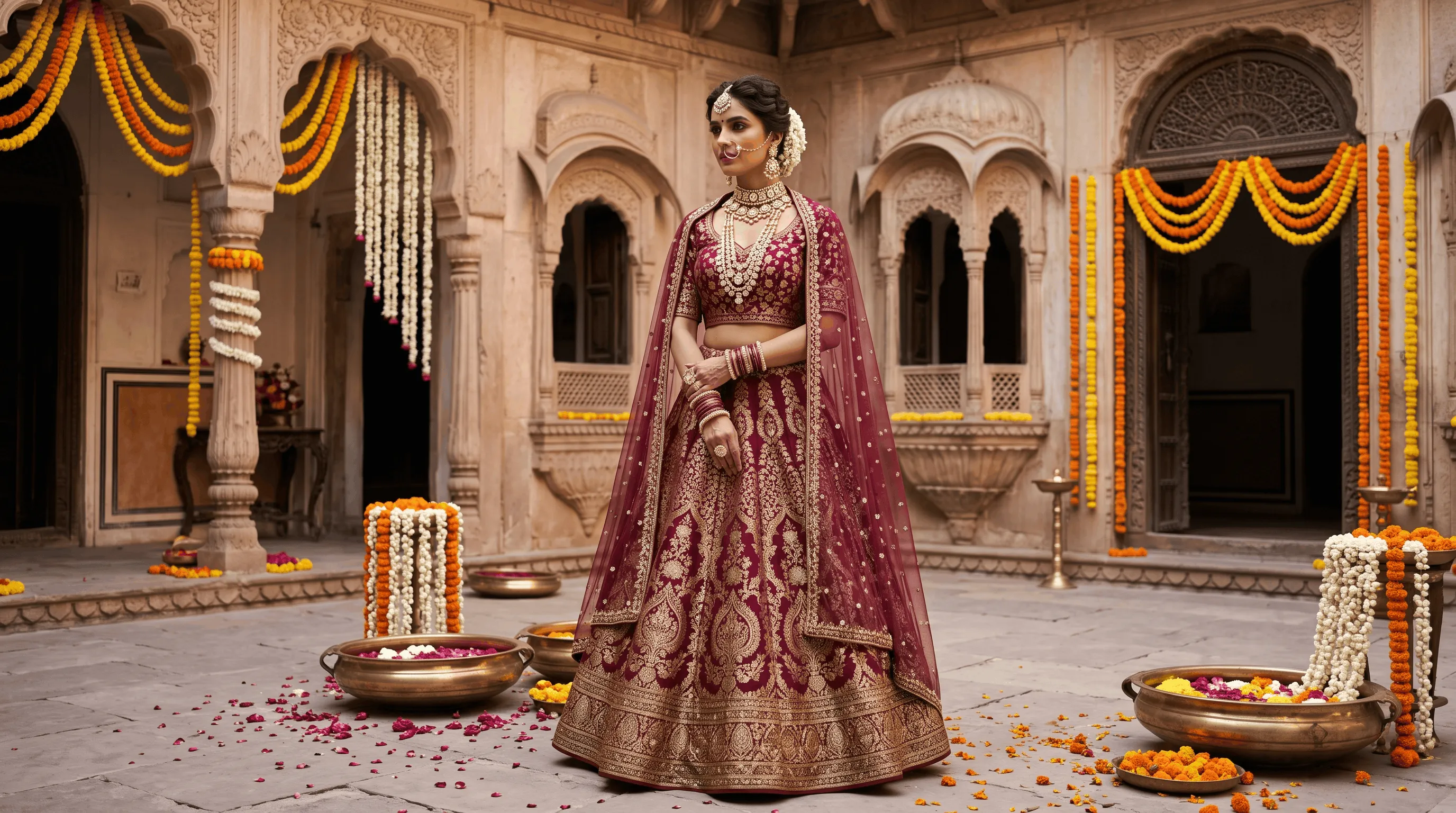
Emerald green, wine, plum, royal blue, deep magenta and burgundy work especially well for evening weddings and receptions.
These colours pair beautifully with antique gold, kundan, polki and gemstone jewellery.
A monochromatic jewel-toned lehenga can feel modern, while contrasting dupattas can make the outfit more traditional.
For maximum versatility, choose embroidery in antique gold, tonal thread or restrained metallic finishes rather than highly trend-specific embellishment.
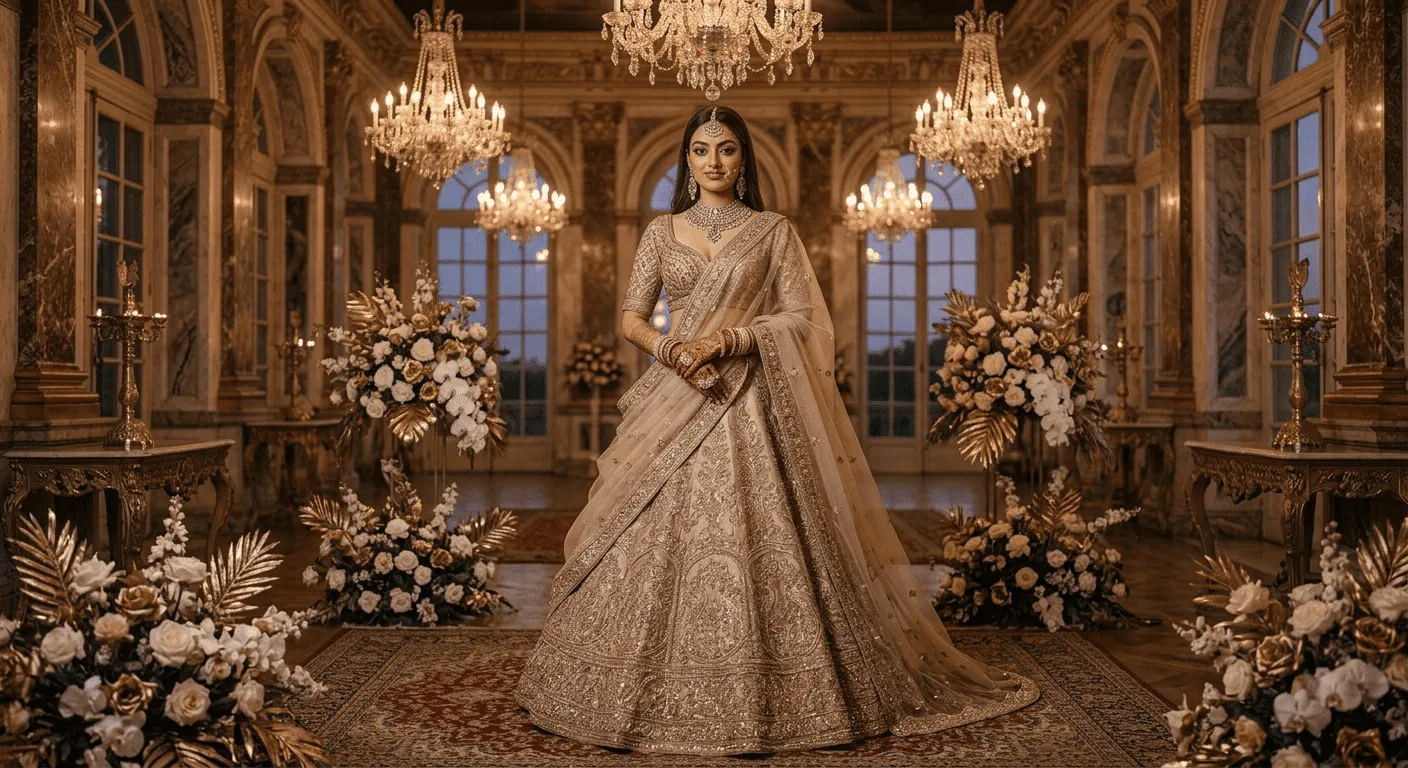
8. Metallic and Shimmering Bridal Lehengas
Metallic bridalwear works particularly well for receptions and evening celebrations.
Champagne gold, antique silver, rose gold and muted bronze can create strong visual impact under artificial lighting.
The best metallic lehengas usually combine shimmer with restraint.
Instead of covering every part of the garment in sequins, designers often use different textures to create dimension.
A metallic skirt can be paired with a relatively simple blouse, or a heavily embellished blouse can balance a softer skirt.
This trend is worth considering if your wedding wardrobe includes a separate reception look and you want something more glamorous than traditional silk.
9. Minimal Bridal Lehengas with Strong Craftsmanship
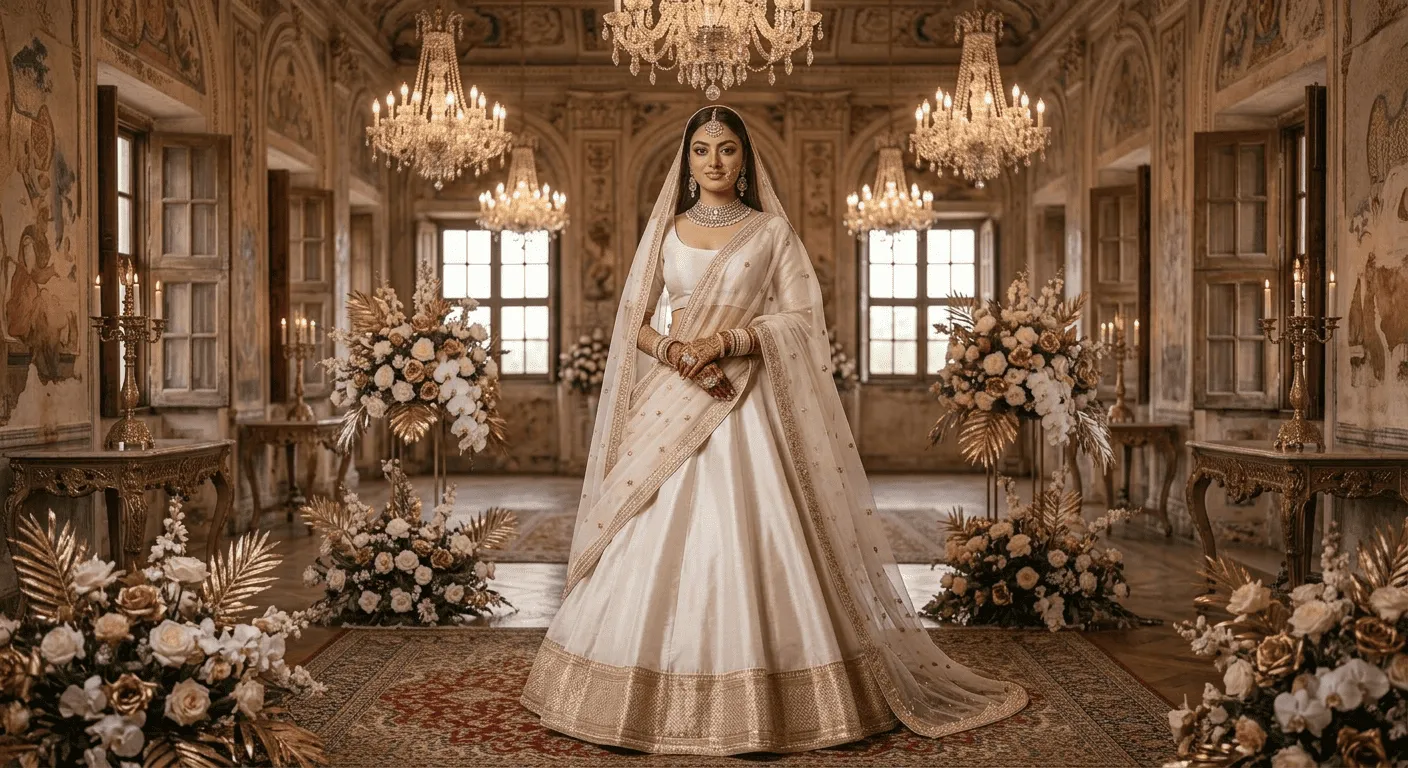
Minimal does not have to mean plain.
A bridal lehenga can feel luxurious through excellent fabric, precise tailoring and carefully placed embroidery rather than dense embellishment.
Silk skirts with woven borders, tonal embroidery and clean blouses can create a refined look.
This style is particularly suitable for intimate weddings, civil ceremonies and brides who prefer understated fashion.
Minimal bridal lehengas also tend to be easier to rewear because individual pieces can be combined with other garments.
The success of this look depends on quality.
When there is less ornamentation, fabric, fit and finishing become much more noticeable.
10. Bridal Lehengas Designed for Rewear
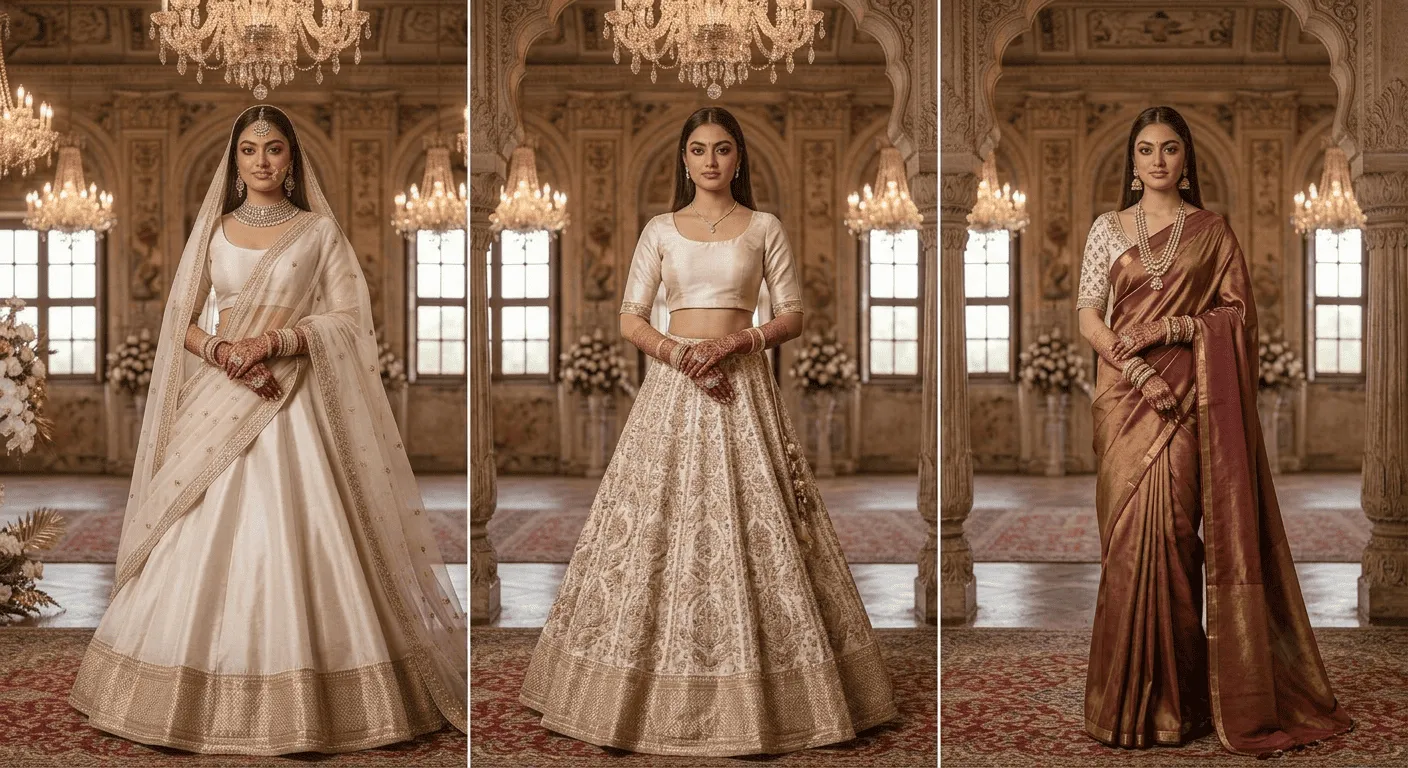
A bridal lehenga can become much more valuable when its individual pieces work beyond the wedding day.
A heavily embroidered blouse can later be worn with a silk saree.
The skirt can be paired with a simple plain blouse for another wedding.
A bridal dupatta can be styled with a kurta set or simpler lehenga.
This does not mean the wedding outfit needs to look less special.
The key is designing each element so it can function independently.
Neutral metallic embroidery, classic colours and strong fabrics generally offer greater restyling potential than highly specific novelty designs.
Choosing the Right Bridal Lehenga Fabric
Fabric affects the lehenga's appearance, weight and comfort.
Raw silk provides structure and works beautifully for traditional wedding ceremonies.
Banarasi brocade brings woven richness and is ideal for heritage-inspired outfits.
Velvet creates depth and works particularly well for winter weddings.
Organza adds airy volume and suits daytime or destination weddings.
Georgette offers softness and movement, making it useful for sangeet and reception outfits.
Tissue and metallic silks create luminosity and work especially well for evening events.
Always consider your wedding season and venue before choosing the fabric.
A richly layered velvet lehenga may look beautiful but become uncomfortable during a warm outdoor ceremony.
How to Choose the Right Bridal Lehenga Colour
Colour should complement the ceremony as well as your personal style.
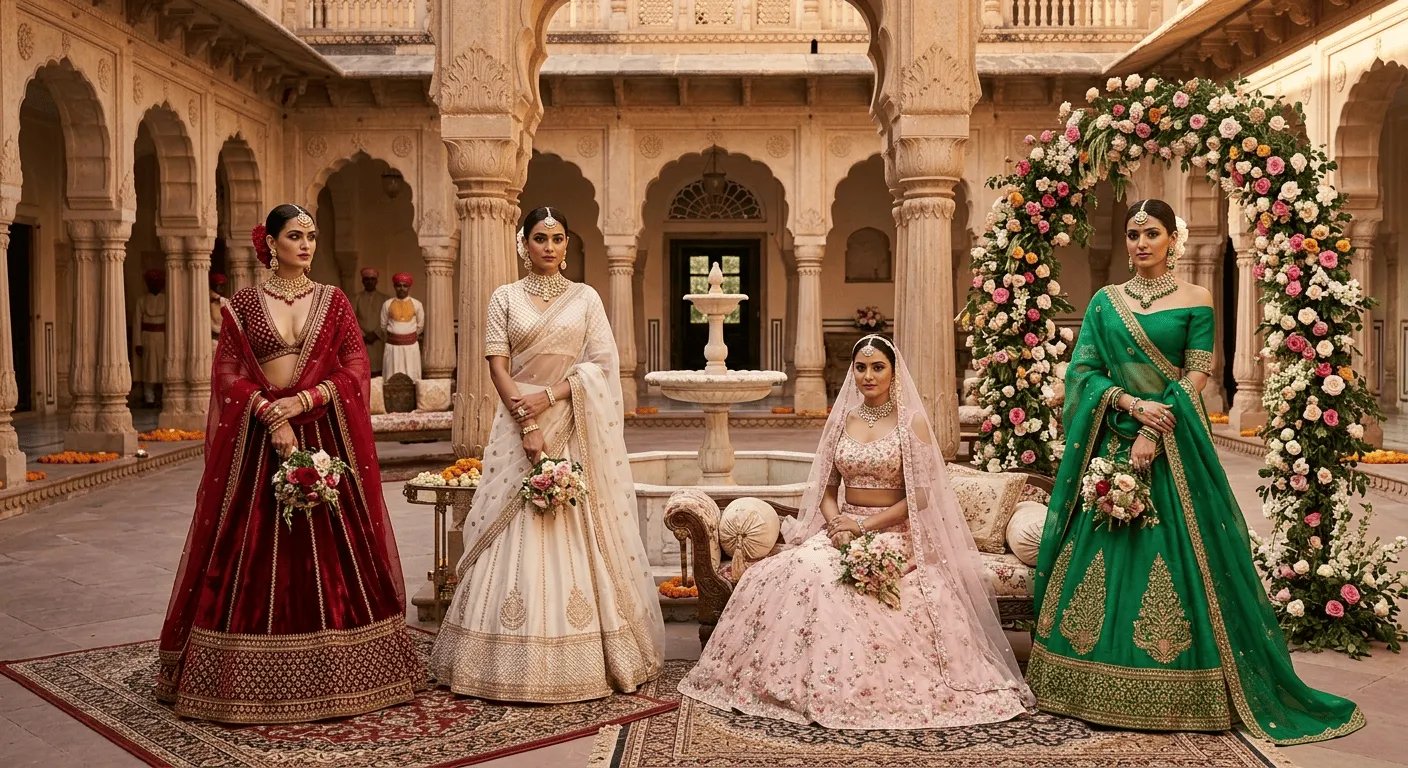
Traditional reds and maroons create a classic bridal look.
Ivory and champagne feel soft and contemporary.
Pastels work beautifully for daytime weddings.
Jewel tones create stronger visual impact in evening lighting.
Consider the wedding venue too.
Pastels can look beautiful against outdoor greenery, while deeper colours often stand out more strongly in banquet halls and evening settings.
Most importantly, choose a colour you genuinely enjoy rather than one you feel pressured to wear because it is currently fashionable.
What to Check Before Buying
A bridal lehenga should be evaluated as a complete outfit rather than only from the front.
Check the skirt waistband, lining, embroidery finishing, hem and closure.
Make sure the blouse allows comfortable arm movement.
Try sitting down while wearing the outfit.
Walk in the footwear you intend to wear on the wedding day.
Check whether the dupatta feels manageable once jewellery and hairstyle are added.
For handmade or customized pieces, confirm production and alteration timelines early.
Ask about fabric composition, embroidery technique, cleaning and storage requirements.
If the outfit is expensive, understanding how it was made can help you judge whether the price matches the workmanship.
Common Bridal Lehenga Shopping Mistakes
One common mistake is choosing a lehenga entirely from photographs.
Studio lighting can change colours dramatically, while heavy skirts may look much easier to manage on a model than they feel in person.
Another mistake is focusing on the skirt while ignoring blouse comfort.
A poorly fitted blouse can make even a beautiful bridal outfit difficult to wear.
Avoid choosing a very heavy dupatta without testing how it will be secured.
Also consider the complete styling before finalizing the outfit.
Jewellery, footwear, blouse neckline and hairstyle all influence how the lehenga ultimately looks.
Comments (0)
Leave a Thought
No comments yet. Be the first to share your thoughts!