A white saree for wedding events used to be a bold choice in many parts of India.
In 2026, ivory and white sarees have become one of the most elegant trends of the season.
Ivory, cream and off-white sarees with gold zari are being worn by brides at day and temple weddings, by sisters at receptions and by guests who want to look graceful without competing with bridal red.
Paired with the right blouse and jewellery, an ivory saree looks festive, fresh and timeless.
At the same time, white still carries different meanings in different communities, so it is worth knowing when it fits and when it does not.
This guide explains the best types of ivory and white wedding sarees, how to choose the right shade, styling ideas, regional customs, care tips and price ranges.
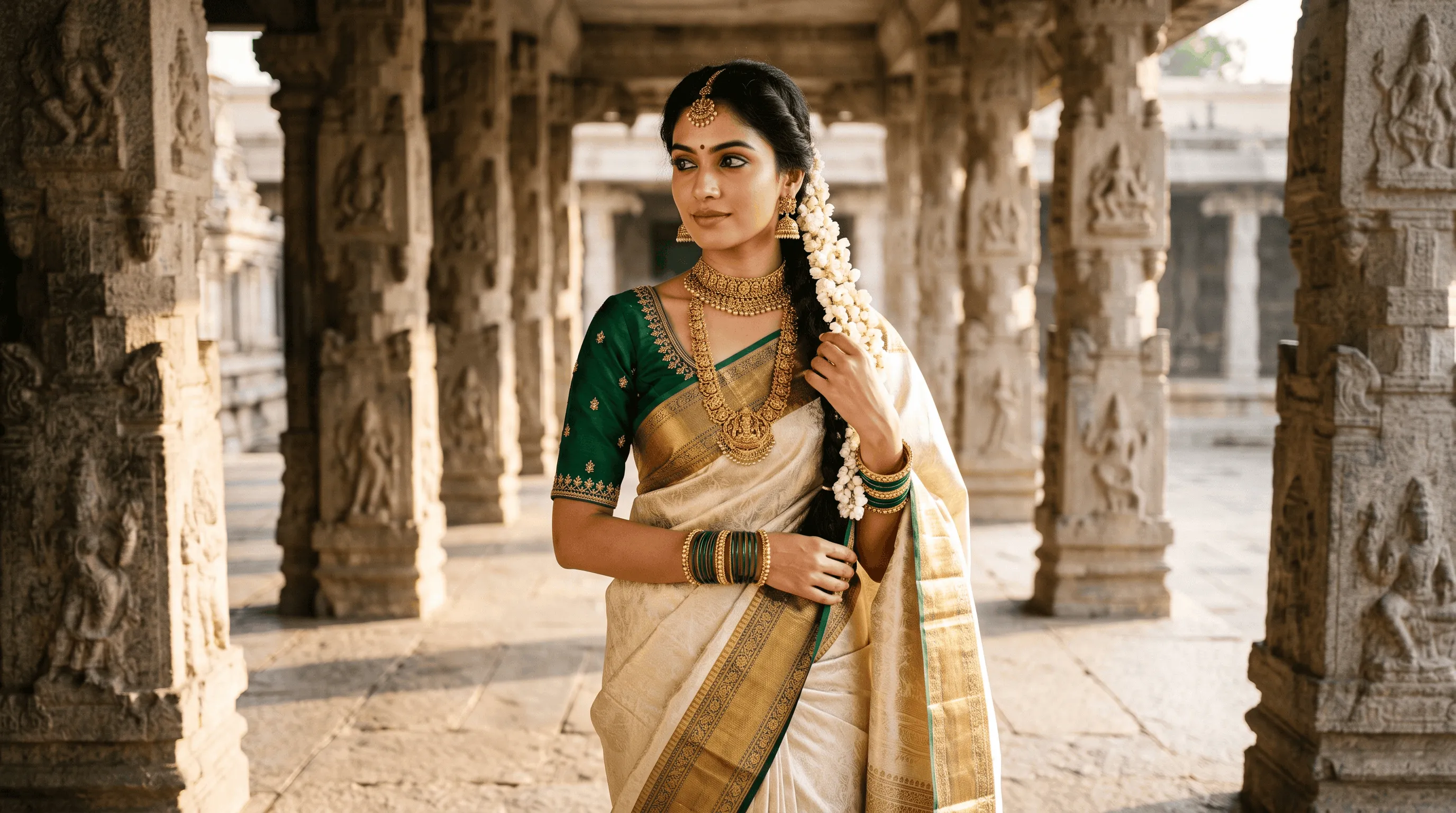
Why Ivory Is a 2026 Wedding Favourite
Ivory photographs beautifully, especially in daylight and at outdoor venues.
Gold zari stands out more against ivory than against darker colours.
It is versatile. You can make it traditional with temple jewellery or modern with pearls and a corset blouse.
It is a heritage colour in many regions, including Kerala's kasavu and Bengal's white-and-red sarees.
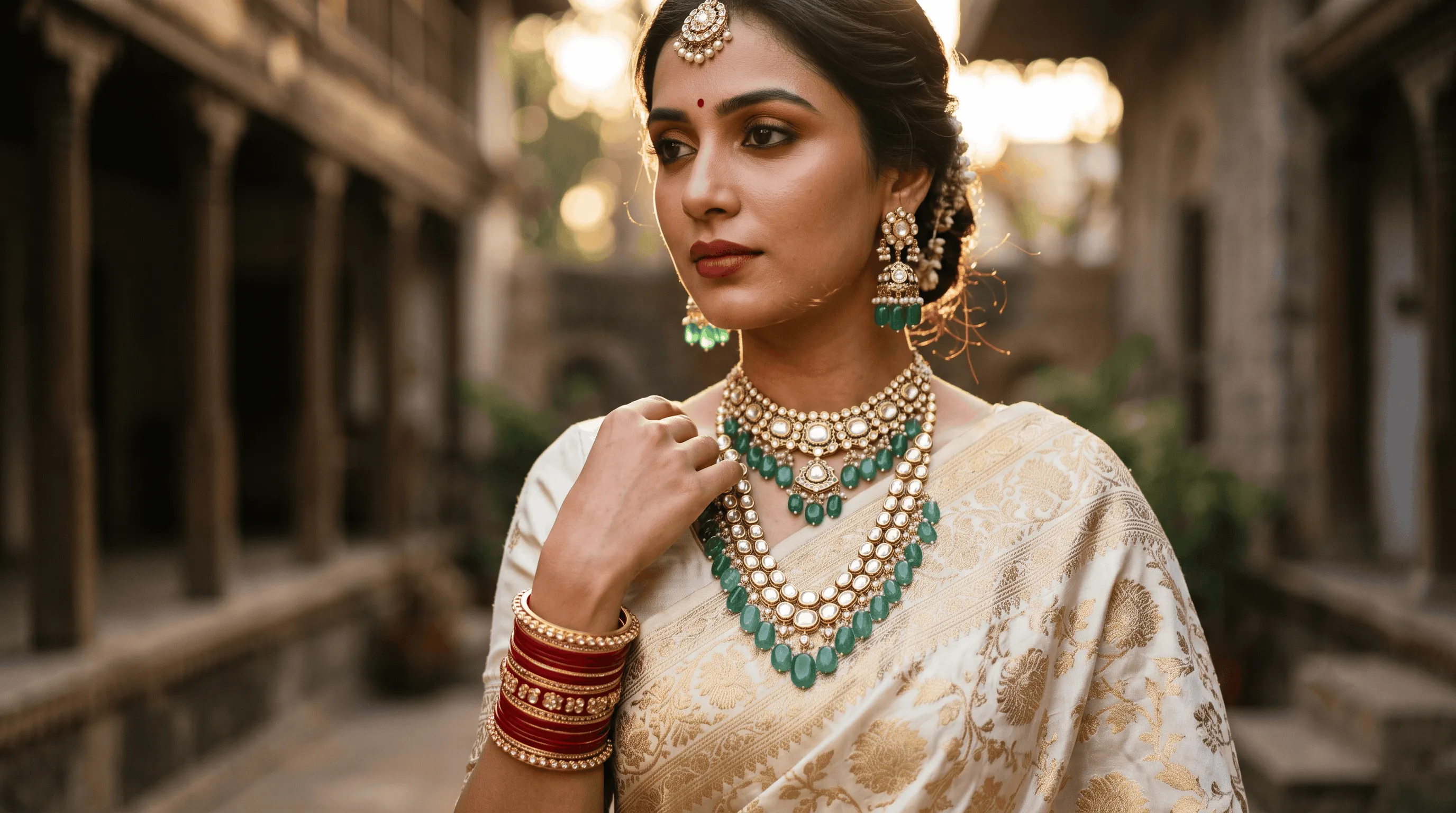
It lets jewellery shine. Emerald, ruby and polki pieces look striking against a pale base.
Ivory also feels calm and refined in a wedding wardrobe that is otherwise full of bright colours.
White vs Ivory vs Off-White: Which Shade Suits You?
Not all whites are the same, and the right shade makes a big difference near your face.
| Shade | What it looks like | Suits | Tip |
|---|---|---|---|
| Pure white | Bright, cool white | Cool and deeper skin tones | Add strong colour in the blouse or jewellery |
| Off-white | Slightly softened white | Most skin tones | A safe choice for first-timers |
| Ivory | White with a warm yellow hint | Warm, wheatish and dusky skin | Looks rich with gold zari |
| Cream | Warmer and deeper than ivory | Wheatish and dusky skin | Lovely with antique gold jewellery |
| Champagne | Ivory with a light gold or pink sheen | Most skin tones | Great for receptions |
Hold the saree under natural daylight against your face before you buy.
Choose the shade that makes your skin look brighter, not tired.
Our guide to trending saree colours 2026 explains undertones in more detail.
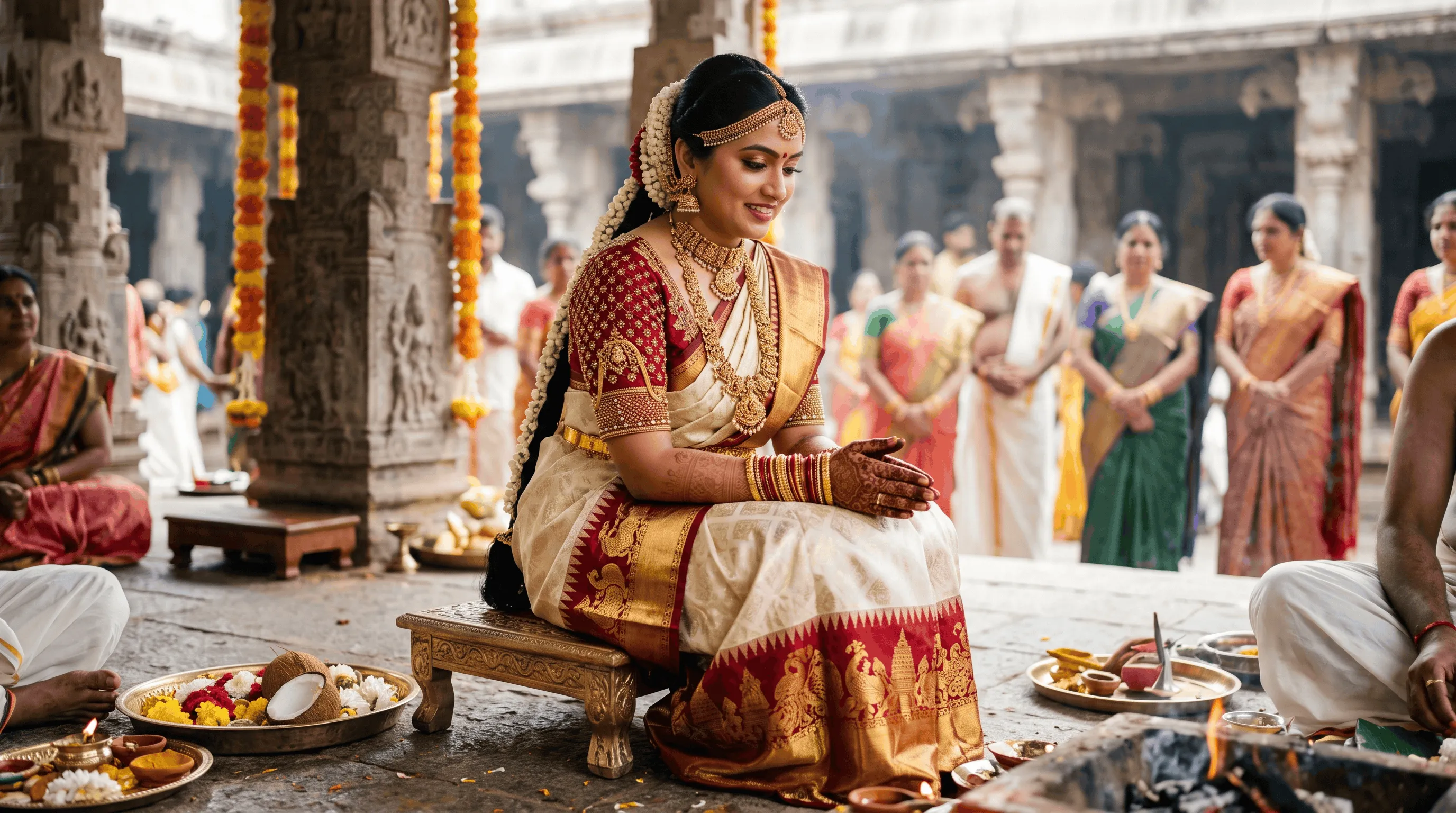
1. Ivory Kanjivaram Silk Saree
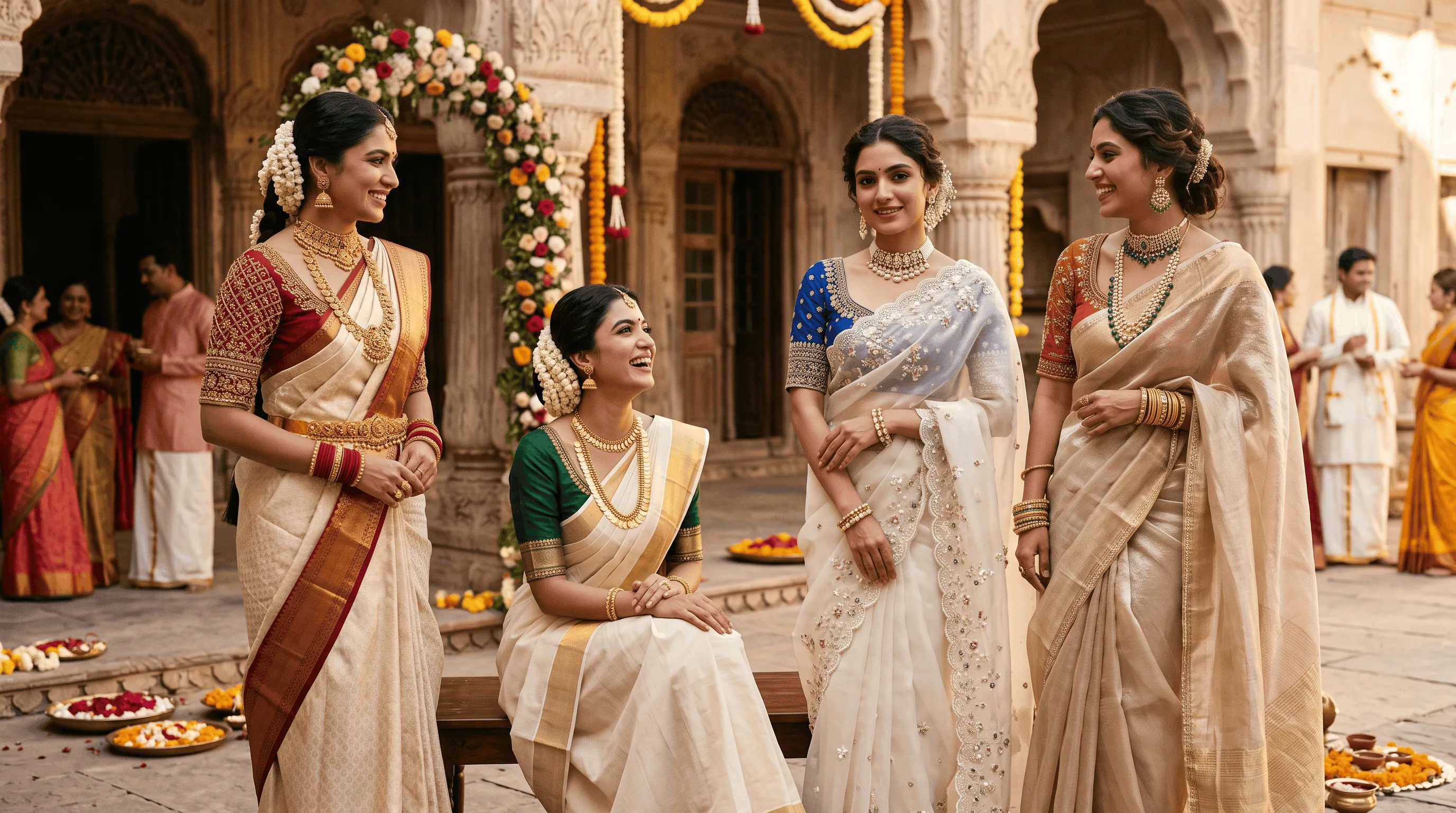
An ivory Kanjivaram with a contrast border in red, green or magenta is one of the most beautiful wedding sarees you can own.
The heavy silk and rich zari make it perfect for South Indian weddings and temple ceremonies.
Before buying, learn how to identify pure Kanjivaram silk.
2. Ivory Banarasi Silk Saree
An ivory Banarasi with gold or silver zari motifs feels royal and elegant.
It suits evening receptions and North Indian wedding functions, especially with polki or kundan jewellery.
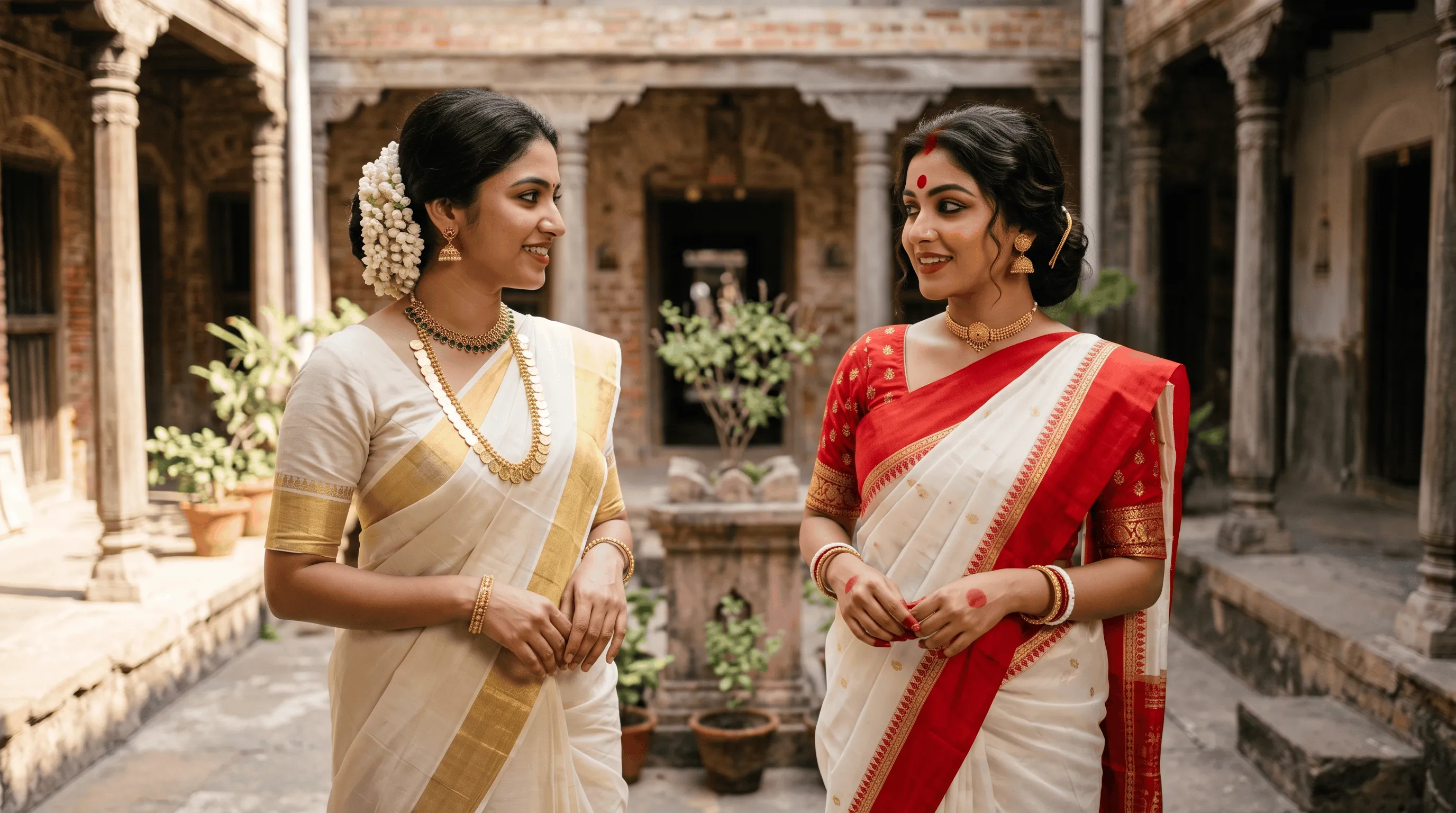
3. Kerala Kasavu Saree
The kasavu saree is cream or off-white handloom cotton with a gold zari border.
It is traditionally worn by Kerala brides and at festivals such as Onam.
A kasavu with a contrast blouse in green, maroon or mustard is one of the simplest and most graceful wedding looks.
4. Bengali White Saree with Red Border
The white saree with a red border is closely tied to Bengali festive and wedding traditions.
Bengali brides often wear one for certain rituals, and it is widely worn during Durga Puja.
5. Gujarati Panetar
The Panetar is a white or cream saree with a red border and Bandhani work.
It is an important part of Gujarati bridal tradition, often worn with a Gharchola.
Read more in our guide to Bandhani vs Leheriya vs Patola.
6. Ivory or Champagne Tissue Silk
Tissue silk has a soft metallic shine that looks beautiful at evening receptions.
Ivory-gold and champagne tissue sarees are especially popular with brides and their sisters.
See our tissue silk saree guide for more.
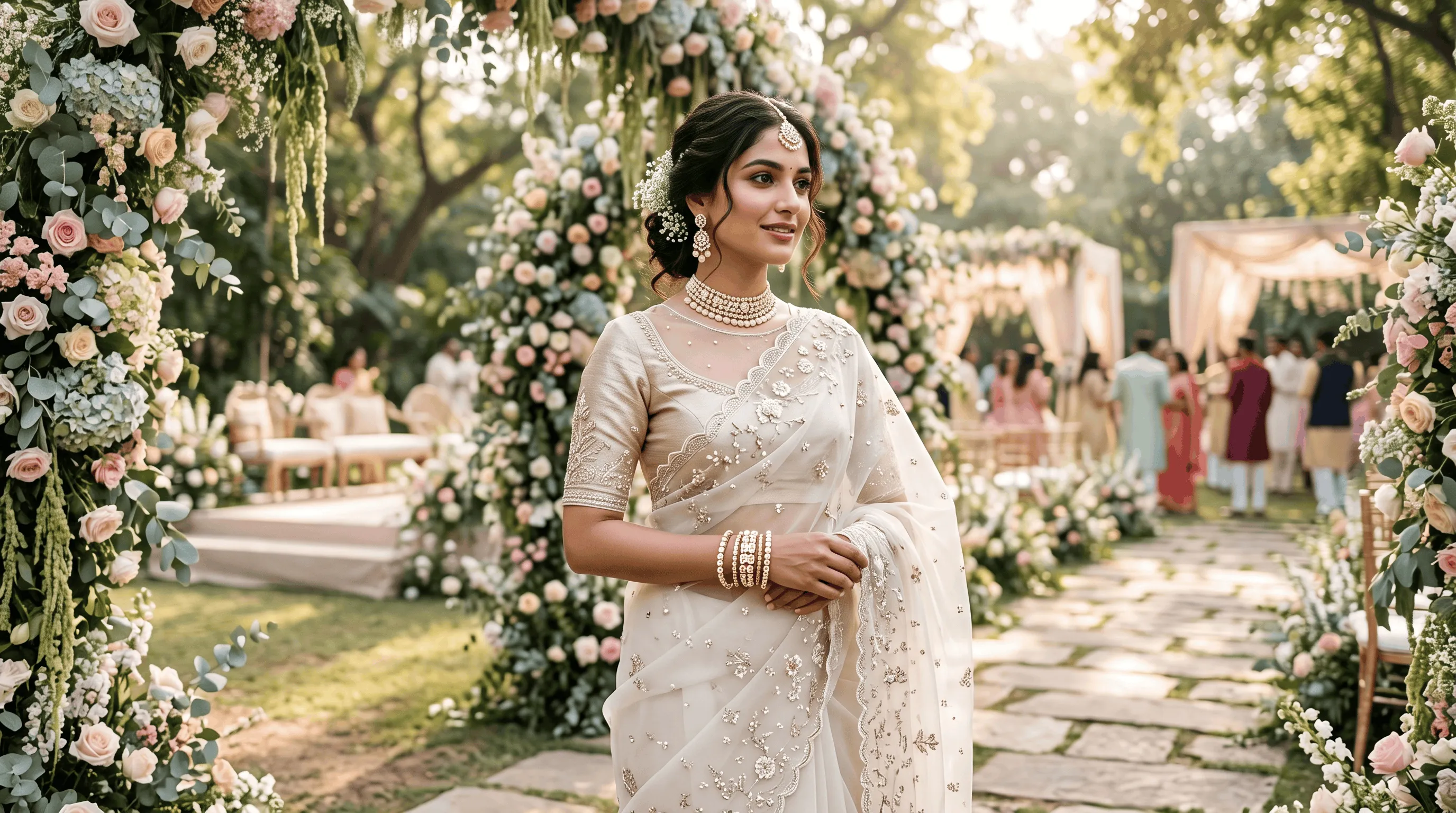
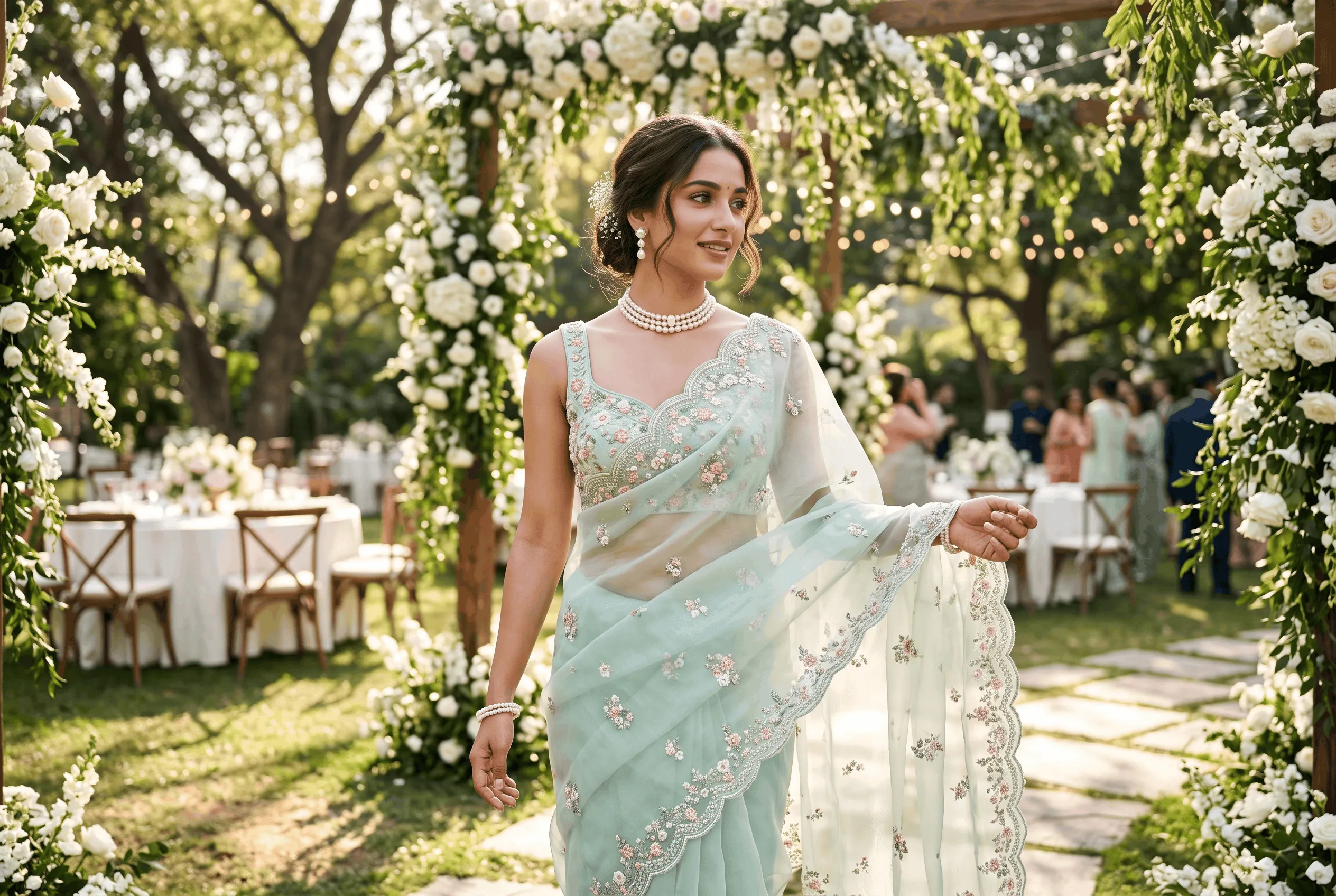
7. Embroidered Ivory Organza
Sheer ivory organza with floral, pearl or sequin embroidery is ideal for day weddings and engagements.
It feels light and modern, especially with a structured blouse.
Our organza saree guide covers styling and care.
8. Chikankari and Chanderi Sarees
Ivory chikankari and Chanderi sarees are light, delicate and perfect for daytime functions in warm weather.
They suit haldi, engagement lunches and summer weddings.
How to Style an Ivory or White Saree
Choose a Strong Blouse
The blouse brings colour and depth to a pale saree.
Emerald or bottle green creates a regal, traditional look.
Red or maroon gives a festive, bridal feel.
Gold brocade creates a rich, all-gold look.
Pastel pink or mint feels soft and modern.
Ivory with embroidery creates a tonal, elegant look when paired with colourful jewellery.
A structured blouse, such as a corset blouse or a high-neck blouse, looks especially polished with an ivory saree.
Add Colour Through Jewellery
Gold temple jewellery suits Kanjivaram and kasavu sarees.
Polki or kundan with emeralds looks rich for evening weddings.
Rubies and red stones add warmth.
Pearls create a soft, minimal day look.
Add Colour in Small Touches
A red bindi, a bold lip colour, a colourful potli bag, red bangles or a fresh flower gajra can lift an ivory saree instantly.
Balance the Makeup
A pale outfit with very pale makeup can look washed out in photographs.
Add warmth to the cheeks and lips, and define the eyes.
How to Drape an Ivory Saree Neatly
Pale sarees show every crease and uneven pleat, so neat draping matters more than usual.
Steam the saree before draping, especially if it has been folded for a long time.
Use a petticoat in the exact shade of the saree, because a whiter or darker petticoat can show through lighter fabrics.
Keep the pleats crisp and even, and pin them together at the top so they stay aligned.
An open, pinned pallu shows off a gold zari border beautifully, while a pleated pallu looks more formal for ceremonies.
If the saree has a contrast border, make sure the border runs evenly along the hem and the pallu edge.
Our saree draping styles guide explains Nivi, Bengali and Gujarati drapes step by step.
Ivory Sarees Across Indian Wedding Traditions
Ivory and white have a special place in several wedding traditions.
In Kerala, many brides wear a cream kasavu saree with gold zari, often with temple jewellery and jasmine flowers.
In Bengal, the white saree with a red border is linked with rituals and festivals, and red-and-white bangles complete the look.
In Gujarat, the white-and-red Panetar is traditionally worn by the bride.
In Tamil Nadu and Karnataka, ivory or off-white silk sarees with contrast borders are popular for temple weddings and family functions.
In many North Indian families, ivory is now accepted for receptions and day functions when it carries plenty of gold or colour.
How to Choose an Ivory Saree Worth Buying
Choose a shade that flatters your skin in daylight.
Check that the zari is evenly woven and that the reverse side of the border looks neat.
Look for a contrast border or pallu if you want the saree to work for more occasions.
Ask whether the saree is pure silk, a blend or art silk, and look for the Silk Mark on pure silk.
Finally, think about how many ways you can restyle it. An ivory saree with a versatile border can be worn to weddings, festivals and family functions for years.
When a White Saree Is Not Suitable
White has different meanings across India.
In many North Indian communities, plain white is linked with mourning and is avoided at weddings, especially for the main ceremony.
Ivory with a lot of gold or strong colour is often more acceptable in these families.
In Kerala, Bengal, Gujarat and parts of the South, white or cream with gold or red borders is part of wedding and festive tradition.
If you are a guest and unsure, ask the family or choose ivory with a strong colour in the border, blouse or jewellery.
Ivory Sarees for Brides vs Guests
Brides can wear an ivory saree for a temple, day or reception look.
Many choose ivory with a red or green border, or pair an ivory saree with a red dupatta for the pheras.
Guests should choose ivory or off-white with colour rather than an all-white look.
This keeps the outfit elegant and avoids any confusion with mourning customs. See our wedding guest saree ideas for function-wise tips.
Ivory Sarees for Different Wedding Functions
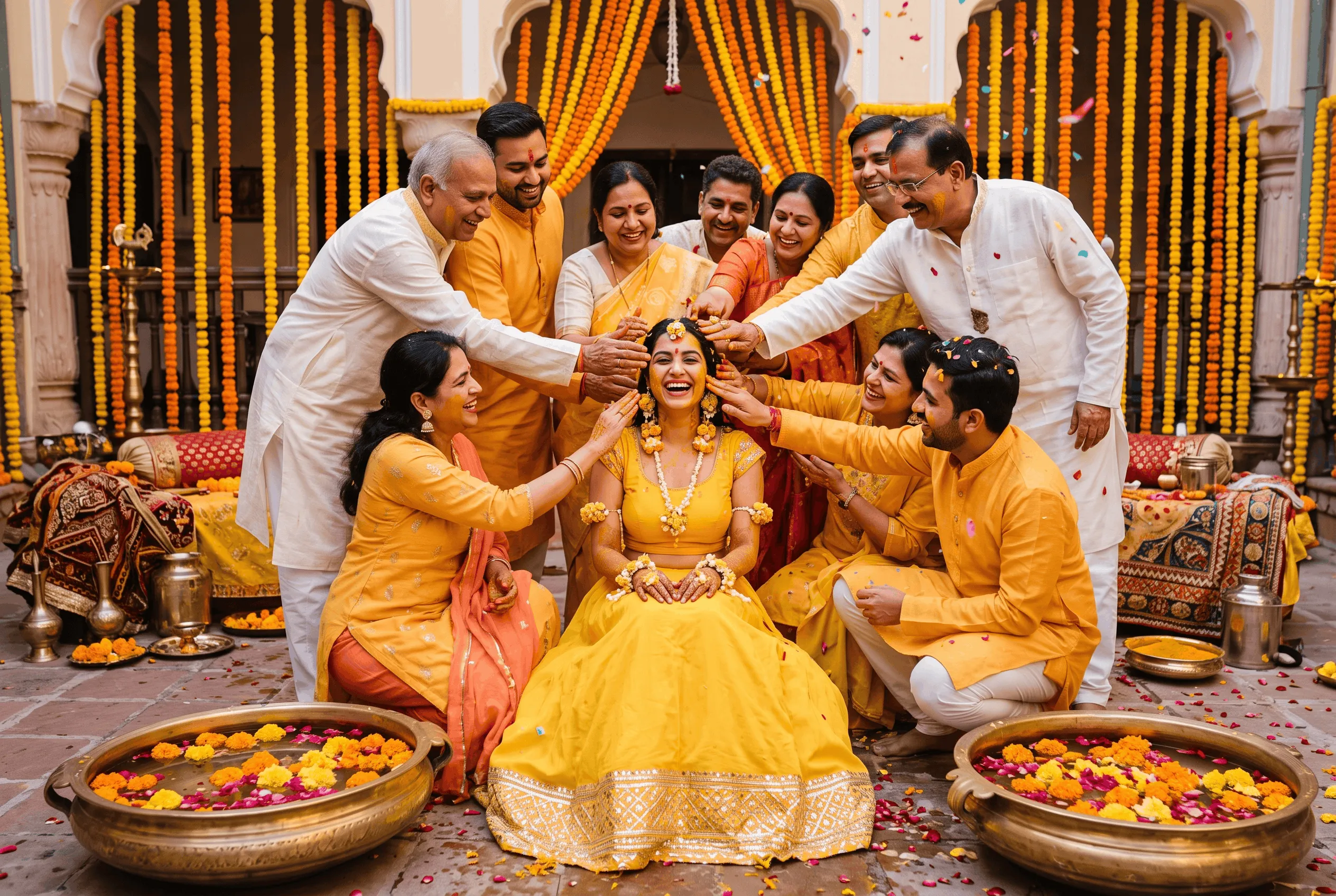
Haldi: ivory cotton or Chanderi with yellow accents.
Mehendi: ivory organza with green or pink embroidery.
Day wedding: ivory Kanjivaram, kasavu or Chanderi silk.
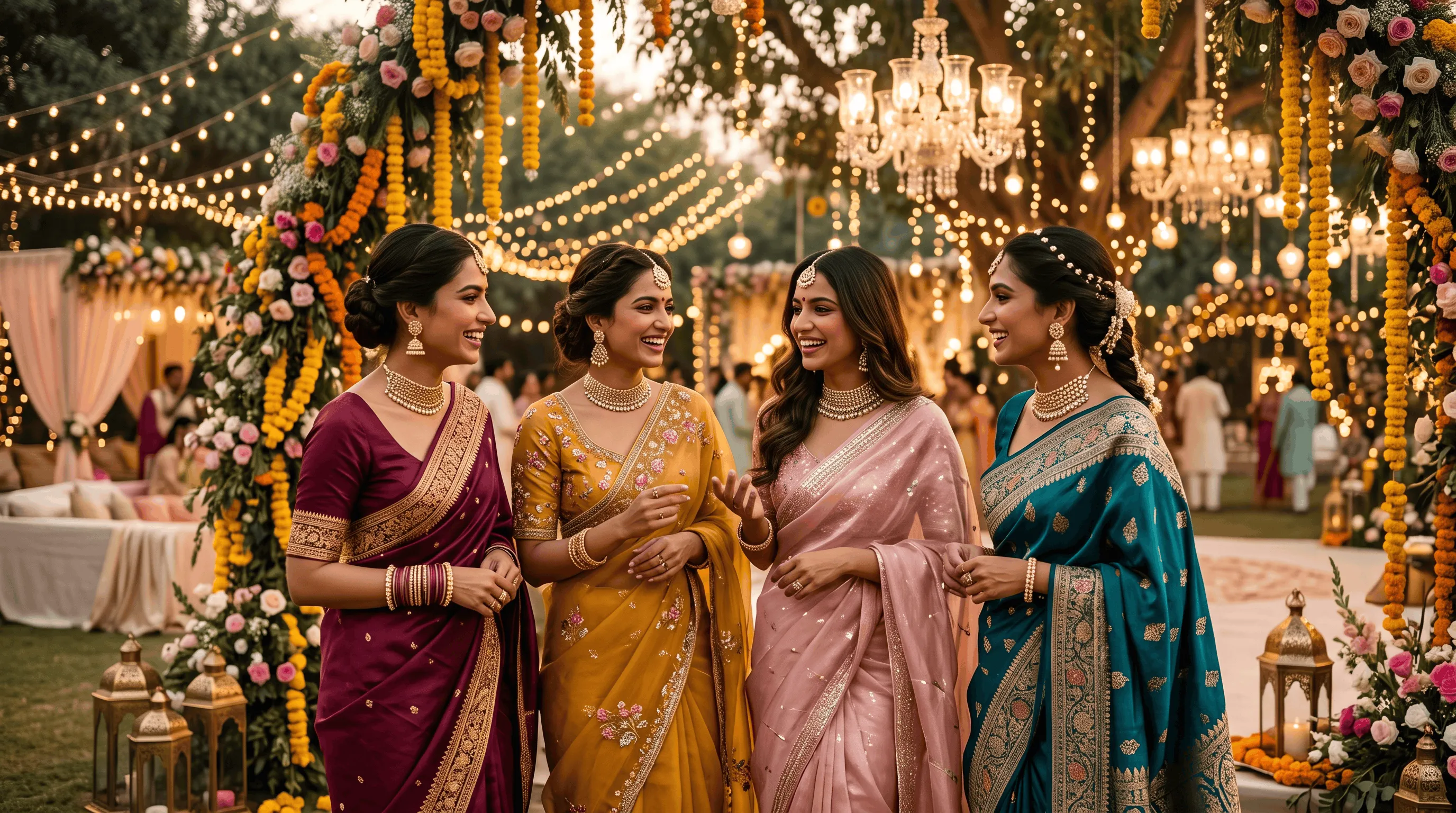
Evening wedding: ivory Banarasi with gold zari and rich jewellery.
Reception: champagne or ivory tissue with a structured blouse.
Common Ivory Saree Mistakes
One common mistake is choosing a shade of white that drains your complexion.
Another is pairing an ivory saree with an ivory blouse, pale jewellery and pale makeup, which can look flat.
Many people also forget that ivory shows stains easily, so eating and outdoor activities need extra care.
Finally, do not wear an all-white saree to a family that avoids white at weddings.
Caring for Ivory and White Sarees
Pale sarees need a little extra care.
Treat stains quickly. Dab, do not rub. For silk, take it to a dry cleaner as soon as you can.
Store in muslin or cotton, not plastic, which traps moisture and can cause yellowing.
Keep away from direct light, which can yellow silk over time.
Refold every few months so creases do not set or weaken the fabric.
Wrap zari in tissue paper to prevent tarnishing.
Our silk saree care guide has more detailed tips.
Price Guide
These are indicative 2026 ranges. Prices vary by city, seller and quality.
| Saree | Indicative price range |
|---|---|
| Kerala kasavu (handloom cotton) | ₹1,500 – ₹8,000 |
| Bengali white with red border (cotton) | ₹1,000 – ₹5,000 |
| Organza or tissue (synthetic to pure) | ₹2,000 – ₹20,000 |
| Chikankari saree | ₹2,500 – ₹20,000+ |
| Ivory Banarasi silk | ₹8,000 – ₹50,000+ |
| Ivory Kanjivaram silk | ₹12,000 – ₹60,000+ |
Is an Ivory Saree Worth Buying for a Wedding?
A white saree for wedding events is no longer a risky choice. It is one of the most refined looks of 2026.
Ivory is also one of the most rewearable colours in a saree wardrobe, because it can be restyled endlessly with different blouses and jewellery.
Choose the right shade for your skin, add colour through a strong blouse and jewellery, and stay mindful of family and regional customs.
For more ideas this season, explore our traditional wear trends 2026 guide and our bridal lehenga trends 2026.
Comments (0)
Leave a Thought
No comments yet. Be the first to share your thoughts!