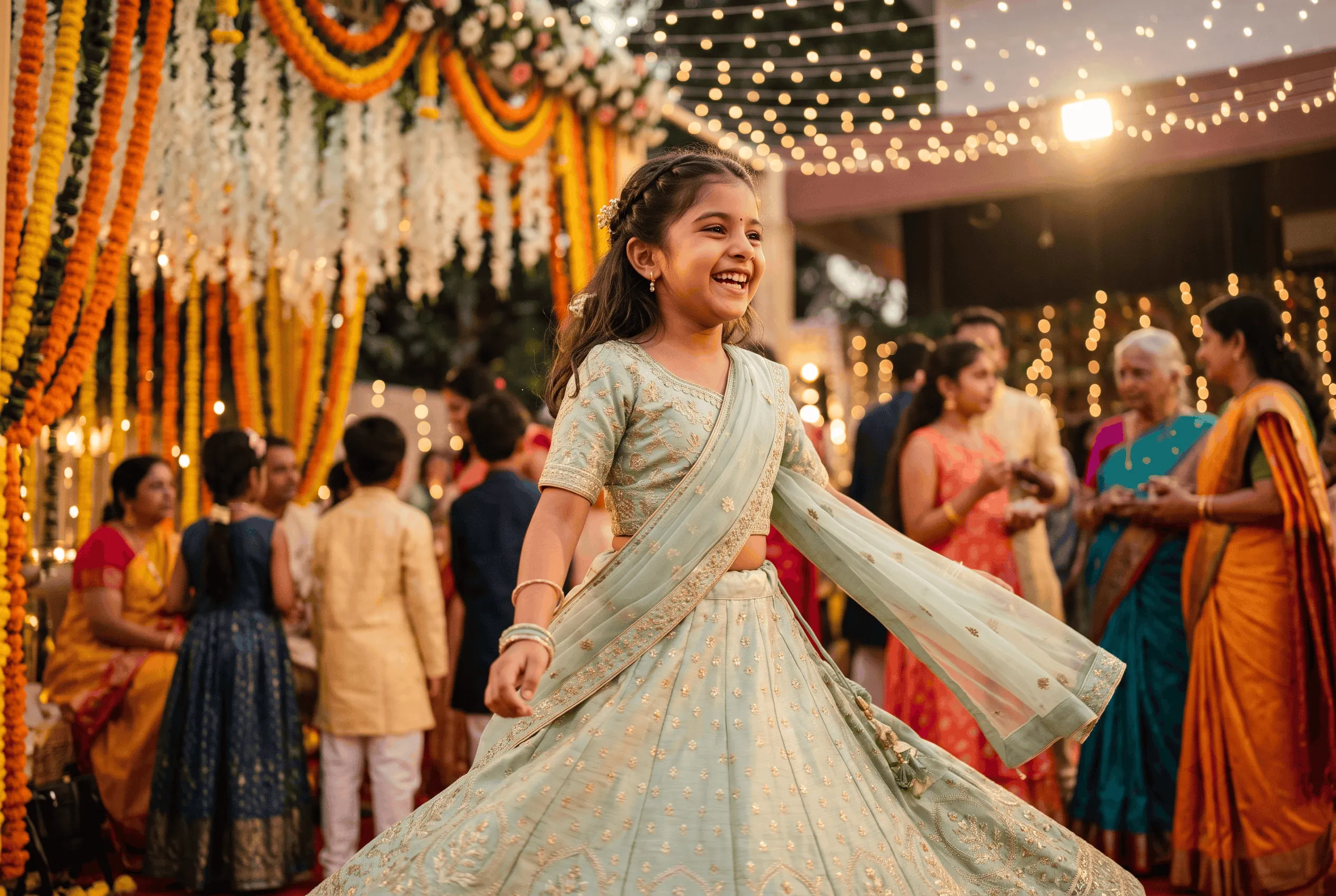
A lehenga choli for girls is often the first proper festive outfit a child wears, and every parent wants her to look lovely in it.
But the real test comes three hours into a wedding or festival.
Is she still smiling and twirling, or tugging at an itchy blouse and tripping over her skirt?
The difference almost always comes down to three things: fabric, fit and the kind of embellishment used.
Price and appearance matter too, but a beautiful lehenga that makes a child uncomfortable will rarely be worn again.
This guide is for parents who want to choose well, covering the most comfortable fabrics, how to measure correctly, adjustable designs, safe embellishments, popular styles, colours, prices, accessories and whether to buy, stitch or rent.
Quick Buying Checklist
Before you pay, check these six things.
Inside first. Turn the lehenga and choli inside out. Is there a soft lining, and are the seams neatly finished?
Waist. An elastic and drawstring waist, or an adjustable hook, is best for growing children.
Length. The hem should sit at the ankle or slightly above, especially for younger girls.
Blouse. Dori ties or side adjustments help the choli last longer.
Embellishment. Everything should be securely stitched, with nothing sharp near the neck or underarms.
Weight. Lift the lehenga. If it feels heavy to you, it will feel very heavy to her.
Best Fabrics for a Girl's Lehenga
| Fabric | Comfort | Look | Best for | Watch out for |
|---|---|---|---|---|
| Cotton | Very high | Matte, fresh | Toddlers, day events, summer | Creases easily |
| Cotton-silk | High | Soft shine | Festivals, family functions | Needs gentle washing |
| Silk or silk-blend | Medium to high | Rich, traditional | Weddings, pujas | Can feel warm |
| Georgette (lined) | High | Flowy, light | Older girls, sangeet | Must be lined |
| Net (lined) | Medium | Fairytale, layered | Short parties, photos | Scratchy if unlined |
| Brocade | Medium | Rich, woven pattern | Weddings in cooler weather | Stiffer and heavier |
| Velvet | Low to medium | Royal | Winter weddings | Hot and heavy |
A simple rule: choose soft cotton or cotton-silk for children under five, silk-blend, lined georgette or brocade for older girls, and net or velvet only with full linings and for shorter events.
The lining is just as important as the outer fabric. A soft cotton lining makes even an embroidered lehenga comfortable against the skin.
How to Measure Your Daughter
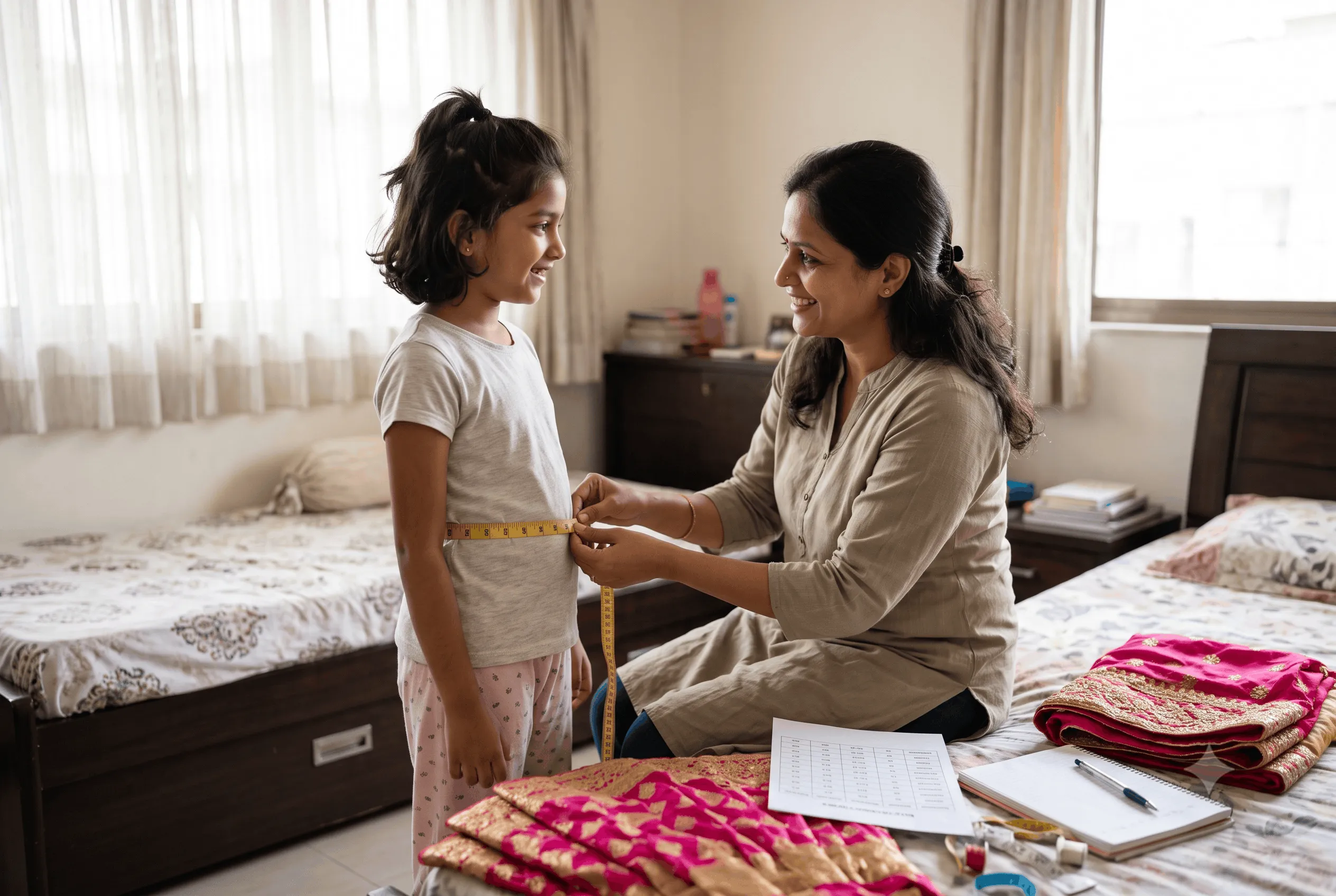
Children's sizes vary a lot between brands, so measurements are far more reliable than age labels.
You will need a soft measuring tape and a few minutes when your daughter is relaxed.
Chest: measure around the fullest part of the chest, under the arms.
Waist: measure around the natural waist, where the lehenga will sit, keeping one finger under the tape.
Lehenga length: measure from the waist to the ankle bone, or just above for toddlers.
Choli length: measure from the shoulder to where you want the choli to end.
Shoulder: measure across the back from one shoulder tip to the other.
Armhole: measure around the top of the arm where the sleeve joins.
Compare these with the seller's size chart rather than the age label.
If she is between sizes, choose the larger one and alter it.
Adjustable Fits That Last Longer
Children grow quickly, so these features help one lehenga last more than one season.
Elastic and drawstring waist: adjusts across several sizes and stays secure while she plays.
Dori-tie back on the choli: can be loosened as she grows.
Extra seam allowance: gives room for later alterations to the blouse and skirt.
A deep hem: can be let down by an inch or two.
Jacket or long cholis: still fit when a short choli would not.
Attached dupatta: a dupatta sewn or pinned to the choli is ideal for small children because it never slips.
Safe Embellishments for Children
Embellishment makes a lehenga festive, but it needs to be child-friendly.
Safer choices: thread (resham) embroidery, gota-patti work, woven zari borders, small mirrors with thread edging and printed or block-printed designs.
Use with care: sequins, which should be securely stitched and kept away from the neck and underarms, and stones or beads, which should be avoided for children under five because loose ones are a choking risk.
Avoid next to the skin: unlined net, rough metallic thread and glued-on stones.
Check the inside of the hem and neckline for sharp metallic trims before buying.
Popular Lehenga Choli Styles for Girls
Frock-Style Lehenga
The skirt and choli are joined, which makes it perfect for babies and toddlers.
It is quick to put on and stays in place while they crawl and play.
Classic Lehenga Choli with Dupatta
The traditional choice for weddings and festivals.
Choose a light dupatta and pin it securely for younger girls.
Jacket or Cape Lehenga
A short jacket or cape over an inner top offers more coverage and feels grown-up.
It is very popular with pre-teens.
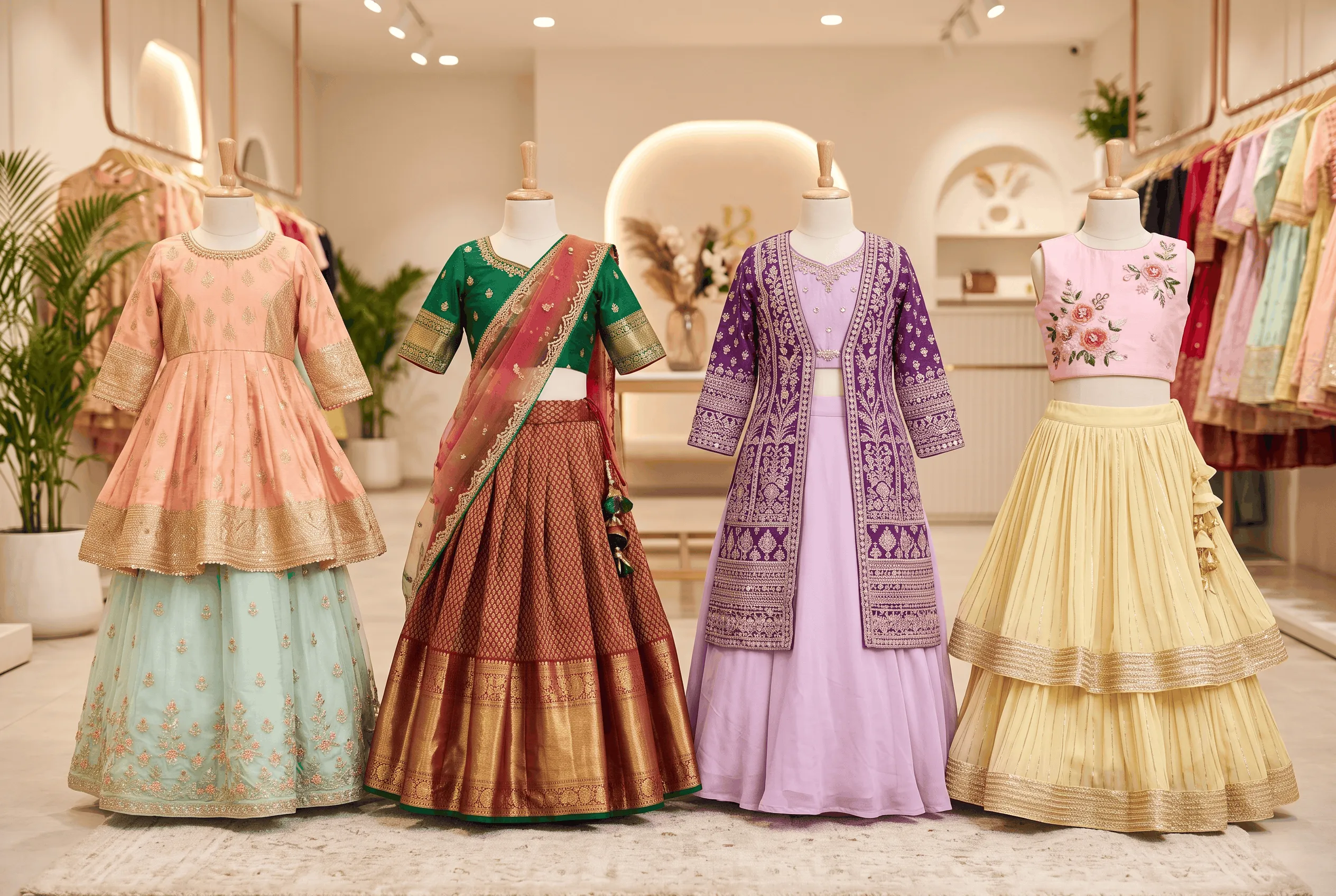
Crop-Top Lehenga
A crop-top lehenga with a light dupatta is a favourite with teens.
Pair it with a longer top if she prefers more coverage.
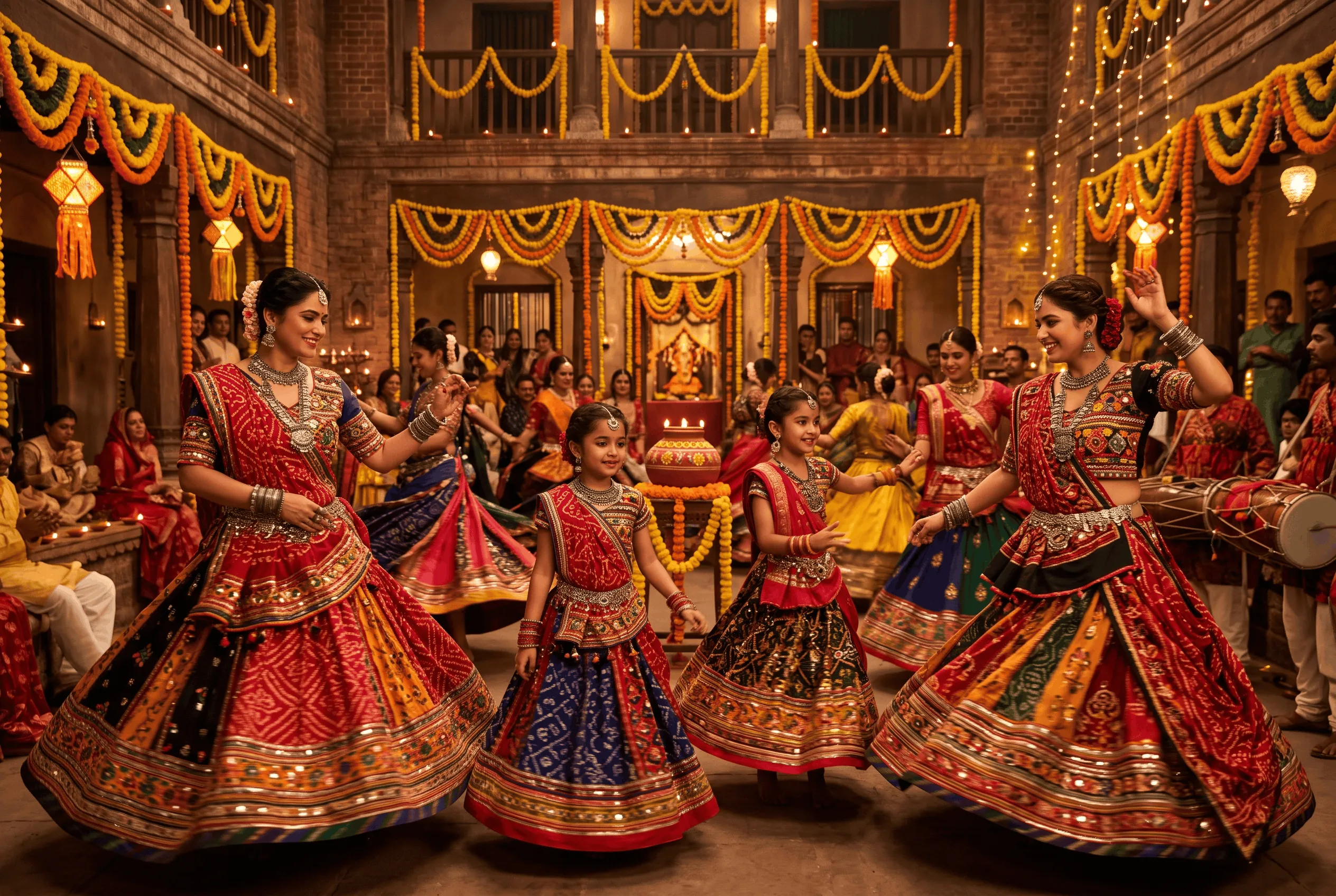
Chaniya Choli
The flared Gujarati style with mirror work or Bandhani is perfect for Navratri.
See our Navratri chaniya choli 2026 guide for more ideas.
Indo-Western Lehenga
A printed lehenga skirt with a peplum top or shirt-style blouse offers a modern twist for parties.
Lehenga Choli for Girls by Age
Babies (0 to 2 years): choose a frock-style cotton lehenga with snap buttons or a front opening, no beads and a full lining. Comfort and easy nappy changes matter most.
Toddlers (3 to 5 years): an elastic-waist cotton or cotton-silk lehenga that ends above the ankle lets them run and climb safely. Skip the dupatta or pin a very short one.
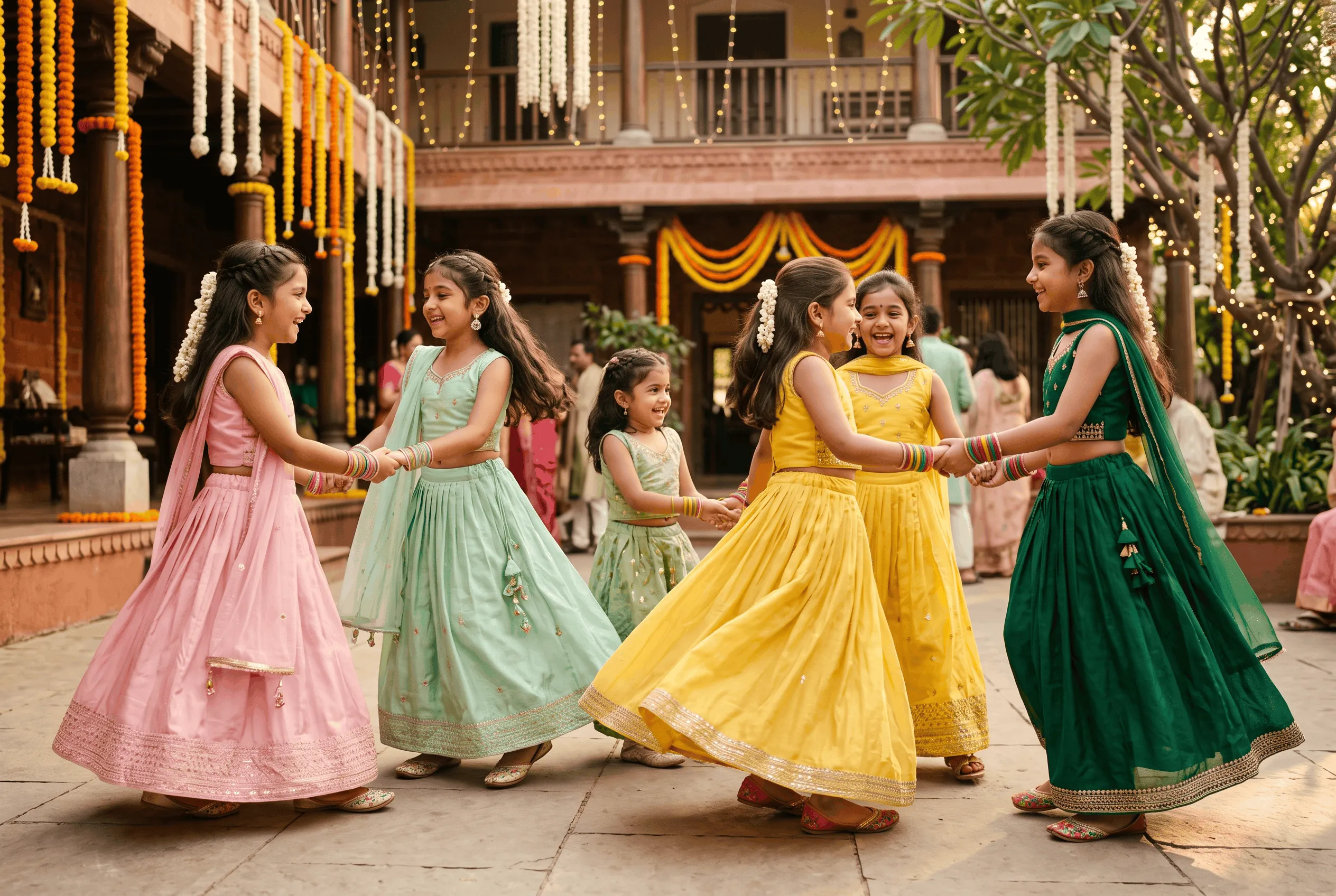
Young girls (6 to 10 years): this is the age of twirling, so a fuller flare in silk-blend or lined georgette is ideal. Light thread or gota work keeps it festive without weight.
Pre-teens (11 to 13 years): jacket or cape lehengas offer coverage and a grown-up feel. Let her have a say in the colour and style.
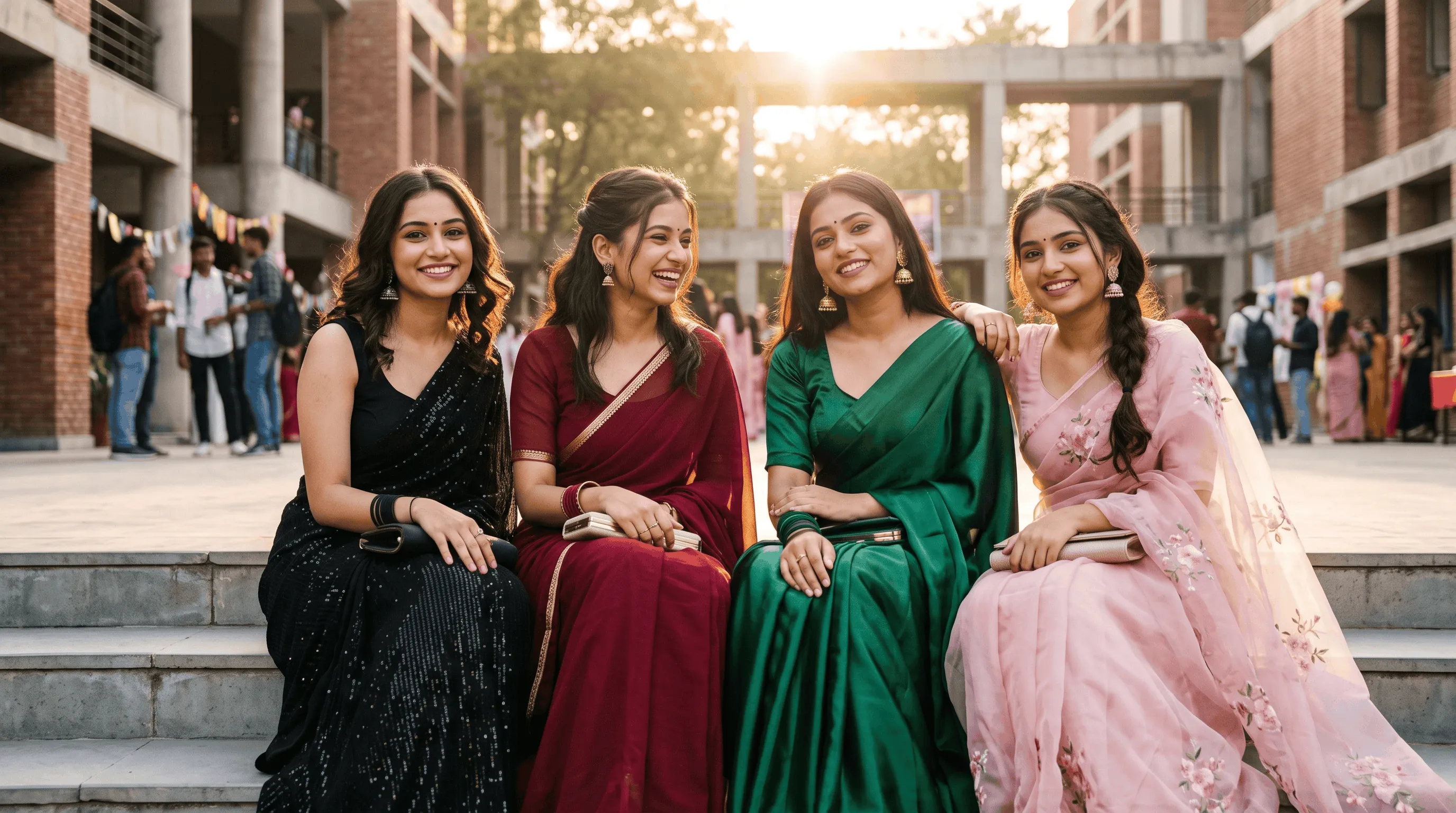
Teens (14 and above): crop-top lehengas, Indo-western styles and lighter bridal-inspired looks are popular. Focus on fit and fabric quality, as she may wear it for several years.
Matching Sibling and Family Lehengas
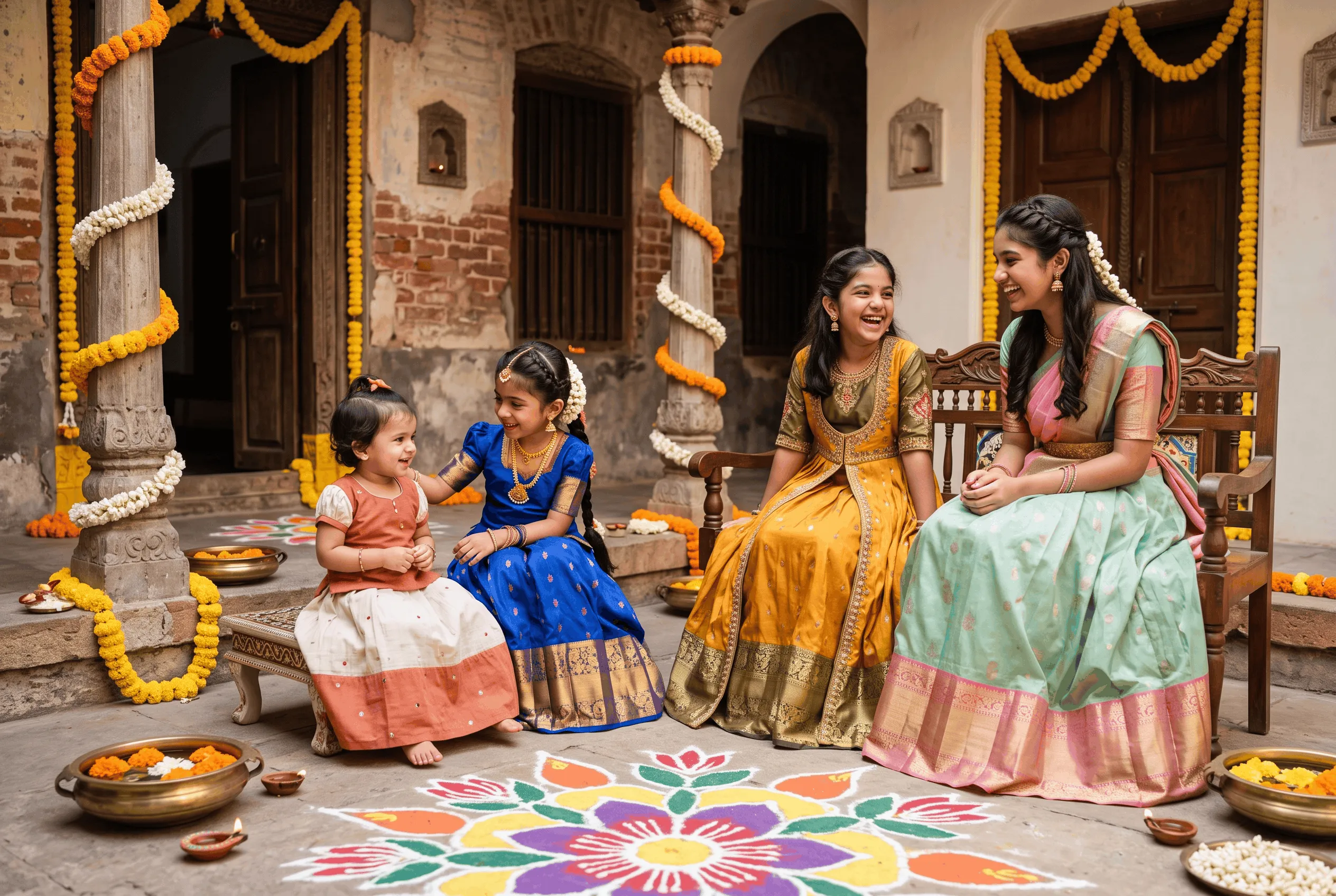
Sisters and cousins often enjoy coordinated outfits for weddings and festivals.
Choose the same fabric in different colours, or the same colour in different styles, so each child still feels individual.
Matching mother-daughter outfits are also popular, especially for Navratri and family functions.
Keeping Children Comfortable at Long Events
Dress your daughter in the lehenga as late as possible before the event.
Carry a spare cotton outfit for the drive home or for a nap.
Pack safety pins, a small hairbrush, wet wipes and water.
If the choli has heavy work, let her wear a soft cotton vest underneath to prevent scratching.
Colours That Suit Girls' Lehengas
Pink, coral and magenta are joyful and suit most children.
Mint, peach, lilac and powder blue are popular pastels for weddings and day events.
Yellow and orange feel bright and festive for haldi and daytime functions.
Red and maroon look traditional for weddings and Diwali.
Emerald and royal blue look rich for evening events.
Let your daughter choose between two or three suitable options, so she feels involved.
Choosing a Lehenga by Occasion
Weddings: silk-blend, brocade or lined georgette with light embroidery.
Navratri: cotton or rayon chaniya cholis with plenty of flare.
Diwali: silk-blend lehengas in jewel tones, with short or pinned dupattas near diyas.
Birthdays and parties: lined net or georgette lehengas for a fairytale look.
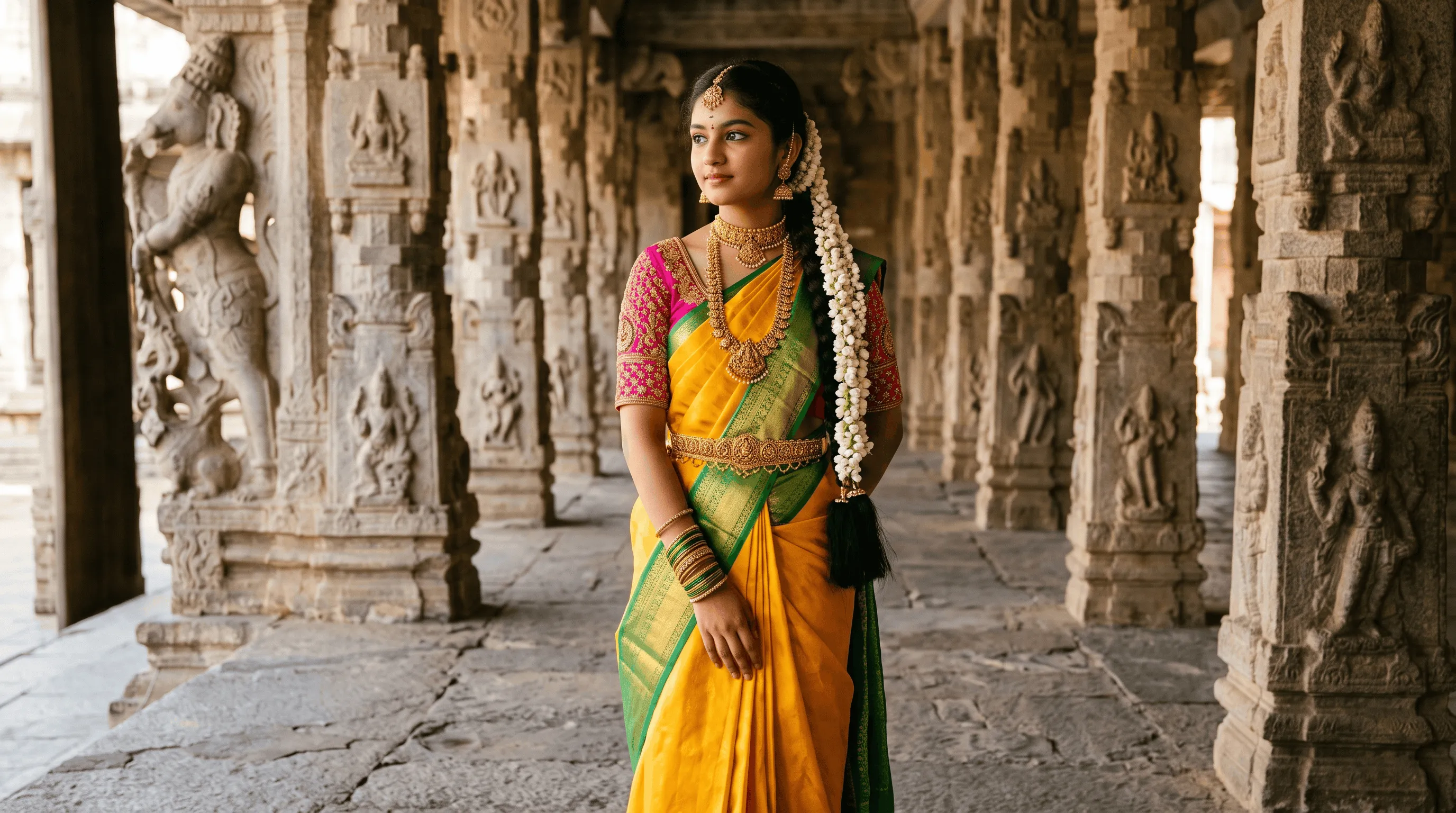
Temple visits: cotton-silk or silk lehengas in auspicious colours.
Price Guide by Age
These are indicative 2026 ranges. Prices vary by city, seller, fabric and work.
| Age | Everyday festive (cotton, cotton-silk) | Wedding wear (silk-blend, brocade, embroidered) |
|---|---|---|
| 0 to 2 years | ₹500 – ₹1,500 | ₹1,200 – ₹3,500 |
| 3 to 5 years | ₹700 – ₹2,000 | ₹1,500 – ₹5,000 |
| 6 to 10 years | ₹900 – ₹2,500 | ₹2,000 – ₹7,000 |
| 11 to 14 years | ₹1,200 – ₹3,500 | ₹2,500 – ₹10,000+ |
| Designer or pure silk (any age) | — | ₹8,000 – ₹30,000+ |
Buy, Stitch or Rent?
Buy ready-made when the event is soon, your daughter is a standard size or you need something for festivals and Navratri.
Get it stitched when you want a specific colour, a matching family look or a better fit. Allow two to three weeks, or longer in wedding season. Stitching also lets you control the lining and embellishment.
Rent for a single big event, especially a heavy designer lehenga she will wear only once. Check cleanliness and fit carefully.
Reuse family outfits by altering an older cousin's lehenga or restyling it with a new dupatta.
Accessories for a Girl's Lehenga
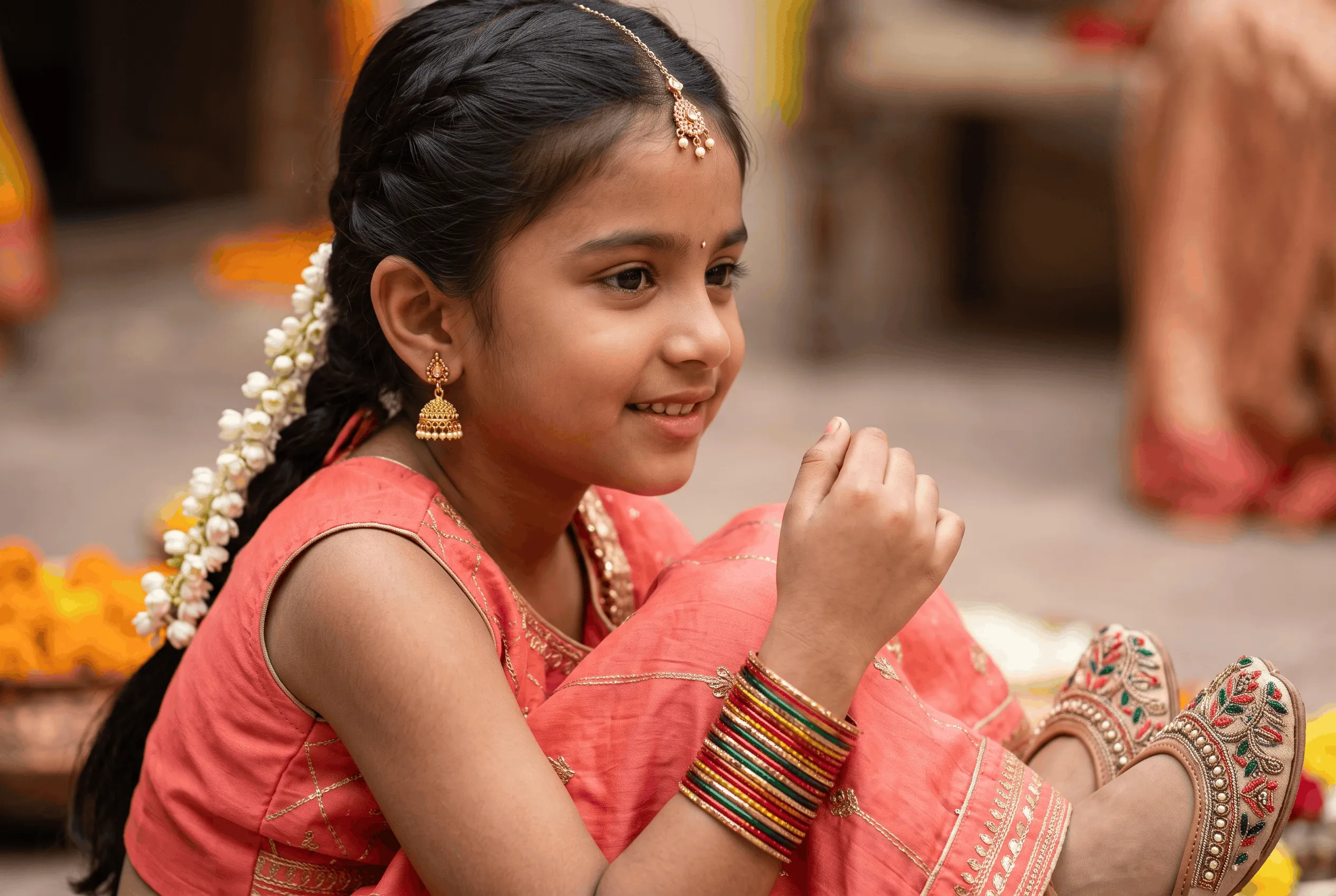
Keep accessories light and comfortable.
Small jhumkas or clip-on earrings, a simple maang tikka, a few glass bangles and flowers in the hair are enough for most occasions.
Choose soft, flat footwear such as juttis or ballet flats, because children run and dance at every event.
Caring for Girls' Lehengas
Spot-clean small stains quickly with cold water.
Hand-wash cotton lehengas inside out in cold water with mild detergent.
Dry-clean silk, brocade and embroidered pieces.
Dry in the shade to protect colours.
Store the choli separately and wrap embellished areas in tissue or muslin.
A well-cared-for lehenga can be passed down to younger siblings or cousins.
Common Mistakes Parents Make
Buying by age label alone often leads to a poor fit.
Choosing heavy embellishment for a long wedding usually leaves children tired and irritable.
Buying a lehenga much too long "to grow into" creates a tripping risk.
Skipping a trial at home means discovering itchy seams on the day of the event.
Why Comfort Makes the Best Lehenga
Choosing a lehenga choli for girls is about more than how it looks on the hanger.
A soft, lined fabric, careful measurements, adjustable fits and safe, securely stitched embellishments make all the difference.
A comfortable lehenga means a happy child, and a happy child always looks her best in photographs.
For more ideas across ages, see our guide to traditional dress for girls, our pattu pavadai and half saree guide and the traditional wear trends 2026 guide.
Comments (0)
Leave a Thought
No comments yet. Be the first to share your thoughts!